

















Let's get started...
Understanding Cancer: Causes and Mechanisms
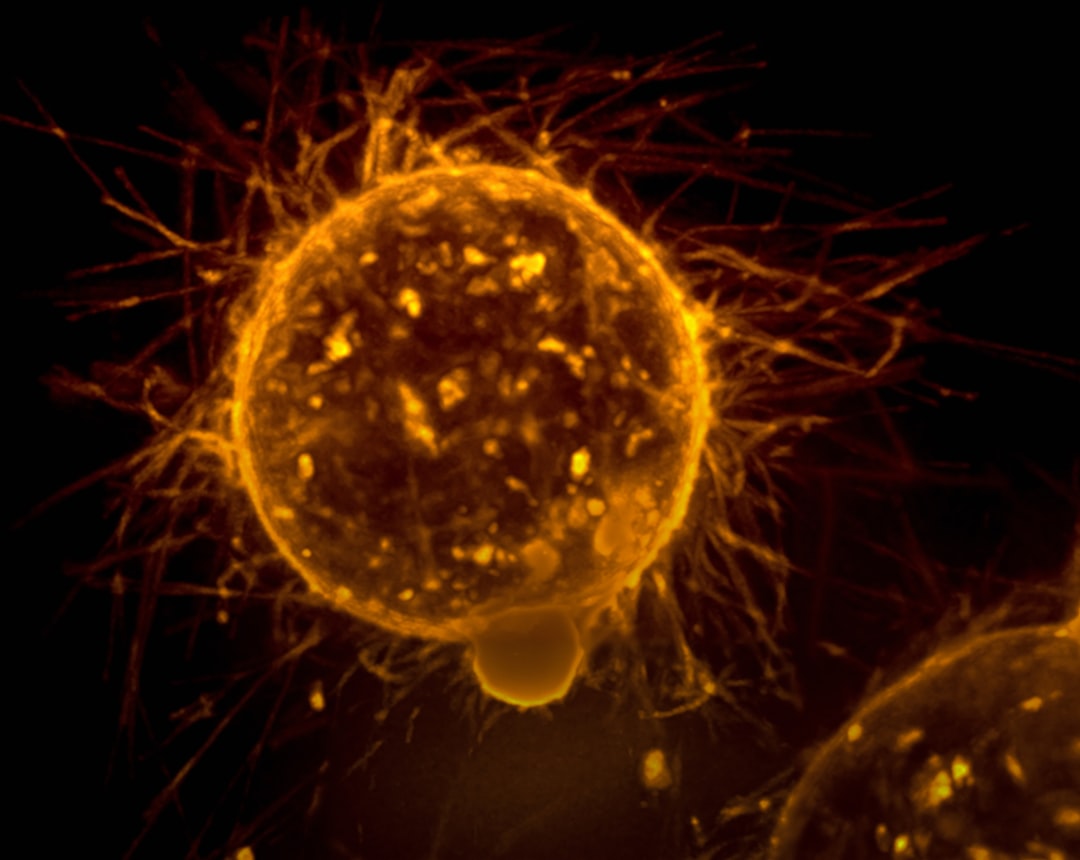
Cancer is a term used for diseases in which abnormal cells divide without control and can invade other tissues. It's not just one disease but a collection of related diseases that can occur anywhere in the body. Human bodies are made up of trillions of cells organised into tissues and organs. Normally, human cells grow and multiply (through a process called cell division) to form new cells as the body needs them. When cells grow old or become damaged, they die, and new cells take their place.
Sometimes this orderly process breaks down, and abnormal or damaged cells grow and multiply when they shouldn't. These cells may form masses called tumours, which can be benign (not cancerous) or malignant (cancerous). Malignant cells are more dangerous because they can invade nearby tissues and spread to other parts of the body a process called metastasis.
Common Causes of Cancer in Young People
Cancer in teenagers and young adults is relatively rare; however, it remains essential to understand the potential causes and risk factors associated with the disease:
- Genetic Factors: Some cancers have a hereditary aspect, meaning they can be passed down from one generation to another through genetic mutations. Young people with a family history of cancer may have increased risks.
- Environmental Exposure: Exposure to certain chemicals and other substances, like asbestos, radon, and tobacco smoke, can contribute to an increased risk of developing cancer.
- Lifestyle Choices: While factors like diet and exercise more commonly affect cancer risk later in life, lifestyle choices like smoking or excessive sun exposure can increase risks even in younger individuals.
- Viral Infections: Certain viruses can also increase cancer risk. For example, the human papillomavirus (HPV) is linked to cervical and other types of cancer, while the Epstein-Barr virus is associated with an increased risk of lymphoma.
How Cancer Affects Young People
Being diagnosed with cancer as a teenager can significantly disrupt your life. It might affect your education, social interactions, and even your future career prospects. The psychological impact is also substantial, as coping with cancer can lead to feelings of isolation, anxiety, and depression.
Physically, the effects of the disease and it's treatment, such as chemotherapy, radiation, or surgery, can lead to a range of side effects, including fatigue, pain, and changes to your appearance. These changes can affect your self-esteem and body image, especially during teenage years when these aspects are still in development.
Strategies for Managing Cancer as a Teenager
Seeking Professional Care
If you are experiencing symptoms or have been diagnosed with cancer, it is imperative to follow medical advice and treatment plans diligently. Oncologists and healthcare teams specialising in teenage cancers can provide age-appropriate treatment and support systems.
Maintaining Social Connections
It's equally important to keep up with friends and maintain your hobbies and interests as much as possible. Engaging in social activities can help you cope with the mental strain of a cancer diagnosis and treatment.
Education and Support Groups
Many organisations and schools offer support and accommodations for young people dealing with cancer. Joining support groups, either in person or online, can also connect you with peers who understand what you're going through and provide an additional layer of emotional support.
Focused Mental Health Care
Coping with cancer can be emotionally draining. Professional mental health support, like counselling or therapy, can help you navigate these challenges. It's crucial to address any signs of depression or anxiety early with the help of professionals.
Balancing Education and Treatment
Work with your school to adjust your schedule as needed. Many educational institutions can offer home-based learning or more flexible schedules to accommodate treatment and recovery periods.
Conclusion
Understanding the multifaceted nature of cancer is vital in recognising early signs and responding appropriately. Whether it's through self-education, maintaining strong social support networks, or adhering to treatment plans, there are several ways to manage the impact of cancer. As research advances and treatments improve, many young people can maintain active, fulfilling lives even while undergoing treatment for cancer.
How are you feeling?
It is really important that when we need help, we feel able to ask for it. This could be speaking to a parent, a close friend, a teacher or someone else you trust. Sometimes it can be really hard to share our feelings with other people but if we are feeling low or don't know where to turn, sharing with others is really important. Teachers will always take you seriously and listen to your problems in confidence if you approach them for help. Likewise, parents, siblings or friends will help you if you reach out to them.
If you feel like you can't speak to anyone you know, there are people and organisations that can help support you:
- Childline - Call them on 0800 1111 any time of the day or night, every day of the week
- NSPCC - Call them on 0808 800 5000 between 10am and 4pm Monday to Friday or email them on help@NSPCC.org.uk
- The Samaritans – Call them on 116 123 any time of the day or night, every day of the week
- SANE – Call 0300 304 7000 for support (4:30pm - 10:30pm every day)
- Mind – Call 0300 123 3393 (9:00am - 6:00pm Monday to Friday)
*Sometimes we will use real life examples in our articles to aid understanding. When we do, names and ages will be changed.
