

















Let's get started...
Treating diabetes is a crucial topic, especially for young people who are learning to manage their health in todays fast-paced world. Diabetes is a chronic condition that affects how your body processes glucose, a type of sugar that serves as the primary source of energy. Given the increasing prevalence of diabetes among teenagers, understanding how to treat it is essential for leading a healthier lifestyle. This article will explore different treatment methods, their real-life impact on young individuals, and practical strategies to manage diabetes effectively.
What is Diabetes?
Diabetes primarily comes in two forms: Type 1 and Type 2. Type 1 diabetes is an autoimmune condition where the body attacks insulin-producing cells in the pancreas, while Type 2 diabetes is commonly associated with lifestyle factors such as poor diet, obesity, and lack of physical activity. Understanding the difference between these types is crucial for determining the appropriate treatment options.
Type 1 Diabetes
Type 1 diabetes usually develops in childhood or adolescence, requiring lifelong management. People with Type 1 diabetes do not produce insulin, making it necessary to administer insulin externally through injections or an insulin pump. Management focuses on balancing insulin intake with food consumption and activity levels.
Type 2 Diabetes
Type 2 diabetes is often developed later in life but is increasingly diagnosed in teenagers due to lifestyle choices. The body either becomes resistant to insulin or does not produce enough of it. Treatment for Type 2 diabetes may initially be lifestyle-focused and potentially involve medication as the condition progresses.
Real-Life Impact: Meet Sarah
Meet Sarah, a 16-year-old who discovered she had Type 1 diabetes during a routine check-up after experiencing extreme thirst and fatigue. Initially, she struggled with the diagnosis, feeling overwhelmed about the changes she had to make in her life. As someone who loved sports and being active, the thought of daily insulin injections and constant blood sugar monitoring felt daunting.
However, Sarah learned that managing her diabetes meant making informed choices in her daily life. With guidance from her healthcare team and support from her family and friends, she adapted to her new lifestyle. She took charge of her health by finding ways to incorporate diabetes management into her routine, thereby positively impacting her day-to-day life.
Treatment Options for Diabetes
Managing diabetes is more than taking medication; it involves a combination of lifestyle changes and medical treatments tailored to the individual. Below are several treatment options based on the type of diabetes:
For Type 1 Diabetes
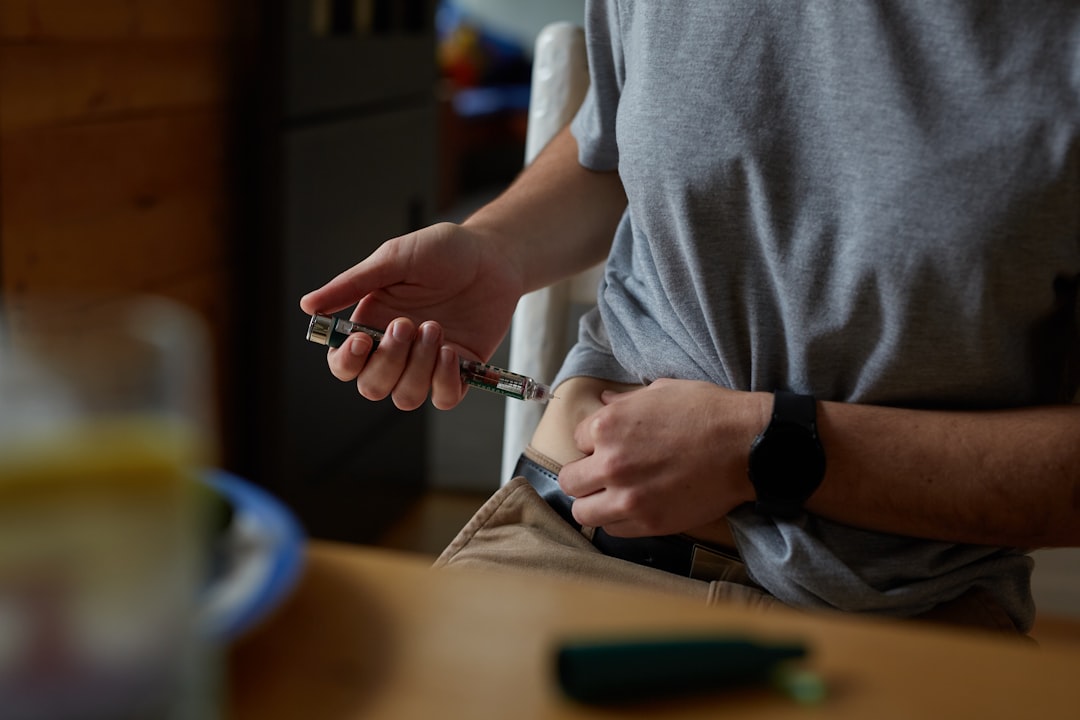
- Insulin Therapy: Since people with Type 1 diabetes do not produce insulin, they must administer it through injections or an insulin pump. There are various types of insulin that can be used, including:
- Rapid-acting insulin: Taken just before meals.
- Long-acting insulin: Provides a basal level of insulin throughout the day.
- Continuous Glucose Monitoring (CGM): This technology allows for real-time monitoring of blood sugar levels, helping Sarah and others manage their condition more effectively.
- Regular Blood Sugar Monitoring: Keeping track of blood sugar levels is crucial. Monitoring helps identify patterns and make necessary adjustments to diet and insulin dosage.
For Type 2 Diabetes
- Lifestyle Changes: For many young people diagnosed with Type 2 diabetes, the first line of treatment involves adopting healthier eating habits and increasing physical activity. This includes:
- Balanced Diet: A diet rich in fruits, vegetables, lean proteins, and whole grains can help m fee an age blood sugar levels. Avoiding processed foods and sugary drinks is also essential.
- Regular Exercise: Engaging in physical activity for at least 150 minutes a week can help improve insulin sensitivity and overall health.
- Oral Medications: If lifestyle changes are insufficient for controlling blood sugar, doctors may prescribe medications such as:
- Metformin: Helps lower blood sugar and improve insulin sensitivity.
- SGLT2 Inhibitors: These help the kidneys remove glucose from the bloodstream.
- Regular Monitoring: Just as with Type 1, monitoring blood sugar levels is important for those with Type 2 diabetes to track how their lifestyle and medications affect their glucose levels.
Practical Strategies for Managing Diabetes
1. Get Educated
Knowledge is a powerful tool in managing diabetes. Understanding the condition, it's symptoms, and treatments can empower you and help you make informed choices.
2. Create a Management Plan
Working with your healthcare provider, develop a diabetes management plan tailored to your lifestyle. This plan should include:
- Insulin or medication regimen
- Dietary recommendations
- Exercise goals
- Blood sugar monitoring schedule
3. Meal Planning and Healthy Eating
Plan your meals ahead of time to maintain balanced blood sugar levels. Here are some tips:
- Portion Control: Learn about serving sizes and how to balance carbohydrates, proteins, and fats in your diet.
- Choose Whole Foods: Opt for whole grains, lean meats, and plenty of fruits and vegetables. Avoid processed foods and sugary snacks when possible.
- Monitor Carbohydrates: Keep track of your carbohydrate intake, as this directly impacts blood sugar levels.
4. Stay Active
Physical activity is essential for managing diabetes. Aim for at least:
- 150 minutes of moderate exercise per week, such as brisk walking, swimming, or cycling.
- Strength training exercises twice a week to improve insulin sensitivity.
5. Build a Support System
Don't be afraid to lean on friends, family, or support groups. Sharing your experiences can alleviate feelings of isolation and anxiety. Connecting with others who have diabetes can provide useful insights and emotional support.
6. Monitor and Adjust
Regularly monitor your blood sugar levels to understand how your body responds to various foods and activities. It may take time to adjust your management strategies:
- Note which foods cause spikes in your blood sugar levels.
- Be willing to adapt your exercise routine based on how you feel.
- Communicate with your healthcare provider about any concerns or necessary adjustments to your treatment plan.
Conclusion: Taking Charge of Your Health
Living with diabetes can be daunting, especially for young people who are just beginning to navigate their health. However, by understanding how to treat diabetes and implementing practical strategies, you can take control of your condition and lead a fulfilling life. Remember, diabetes management is a journey that requires patience, education, and support from others.
Sarah's story demonstrates that, while diabetes does require adjustments, it doesn't have to stifle your dreams or passions. With commitment and the right strategies, you can successfully manage your diabetes and maintain an active lifestyle.
How are you feeling?
It is really important that when we need help, we feel able to ask for it. This could be speaking to a parent, a close friend, a teacher or someone else you trust. Sometimes it can be really hard to share our feelings with other people but if we are feeling low or don't know where to turn, sharing with others is really important. Teachers will always take you seriously and listen to your problems in confidence if you approach them for help. Likewise, parents, siblings or friends will help you if you reach out to them.
If you feel like you can't speak to anyone you know, there are people and organisations that can help support you:
- Childline - Call them on 0800 1111 any time of the day or night, every day of the week
- NSPCC - Call them on 0808 800 5000 between 10am and 4pm Monday to Friday or email them on help@NSPCC.org.uk
- The Samaritans – Call them on 116 123 any time of the day or night, every day of the week
- SANE – Call 0300 304 7000 for support (4:30pm - 10:30pm every day)
- Mind – Call 0300 123 3393 (9:00am - 6:00pm Monday to Friday)
*Sometimes we will use real life examples in our articles to aid understanding. When we do, names and ages will be changed.
