













Let's get started...
COVID-19 has affected millions of people worldwide, changing the way we live, study, and interact with others. But how does someone actually catch COVID-19? Understanding how the virus spreads can help you protect yourself and others from infection.
What Is COVID-19?
COVID-19 is a disease caused by the SARS-CoV-2 virus. It primarily affects the respiratory system and can lead to mild, moderate, or severe illness. While many people recover quickly, some experience long-term complications or severe health issues.
COVID-19 spreads in different ways, making it easy to catch, especially in certain situations. Although vaccines and treatments have helped reduce the severity of the illness, the virus is still circulating, and taking precautions remains important.
How Does COVID-19 Spread?
COVID-19 spreads through tiny virus particles that come from an infected person. There are three main ways that someone can catch the virus:
1. Through Respiratory Droplets
When an infected person coughs, sneezes, talks, or even breathes, they release tiny droplets that contain the virus. If someone else breathes in these droplets, they may become infected.
Droplets can travel through the air, especially in crowded or enclosed spaces where there is little ventilation. This is why wearing a mask in high-risk situations can help reduce transmission.
2. Through Direct Contact with an Infected Person
Close contact with someone who has COVID-19 increases the risk of infection. This includes:
- Hugging or shaking hands with an infected person
- Spending time in close conversation without a mask
- Living in the same household as someone who has COVID-19
3. Through Contaminated Surfaces
COVID-19 can survive on surfaces for different amounts of time, depending on the material. If you touch a contaminated surface and then touch your face (especially your mouth, nose, or eyes), the virus can enter your body.
High-touch surfaces where the virus can linger include:
- Door handles
- Mobile phones
- Keyboards
- Lift buttons
- Shopping trolleys
Although surface transmission is less common than airborne transmission, regular handwashing and avoiding touching your face can help reduce the risk.
The Real-Life Impact on a Young Person
For many teenagers, COVID-19 has disrupted everyday life, including school, friendships, and hobbies. Even a mild case of COVID-19 can mean missing out on important moments.
Amy's Story:
Amy, 15, was excited to go on a school trip with her friends. A week before the trip, she went to a party where she spent time in a crowded room. A few days later, she started feeling tired and had a sore throat. Thinking it was just a cold, she continued going to school.
When one of her friends tested positive, Amy took a test and found out she also had COVID-19. Because she was contagious before showing symptoms, she had unknowingly spread the virus to others. Not only did she have to miss the school trip, but some of her friends also had to isolate, causing frustration and disappointment.
After recovering, Amy became more aware of how easily COVID-19 can spread. She started taking small precautions, like testing before events and meeting up in well-ventilated spaces.
How Can You Reduce the Risk of Catching COVID-19?
Although it's impossible to completely eliminate the risk of catching COVID-19, there are ways to lower the chances of getting infected.
1. Get Vaccinated
Vaccination is one of the most effective ways to protect yourself. It helps your body fight the virus more effectively and reduces the risk of severe illness.
2. Wear a Mask in High-Risk Situations
Masks help prevent respiratory droplets from spreading, especially in crowded places like public transport, shopping centres, or classrooms. Even if mask-wearing is not required, it can still be a good precaution.
3. Wash Your Hands Frequently
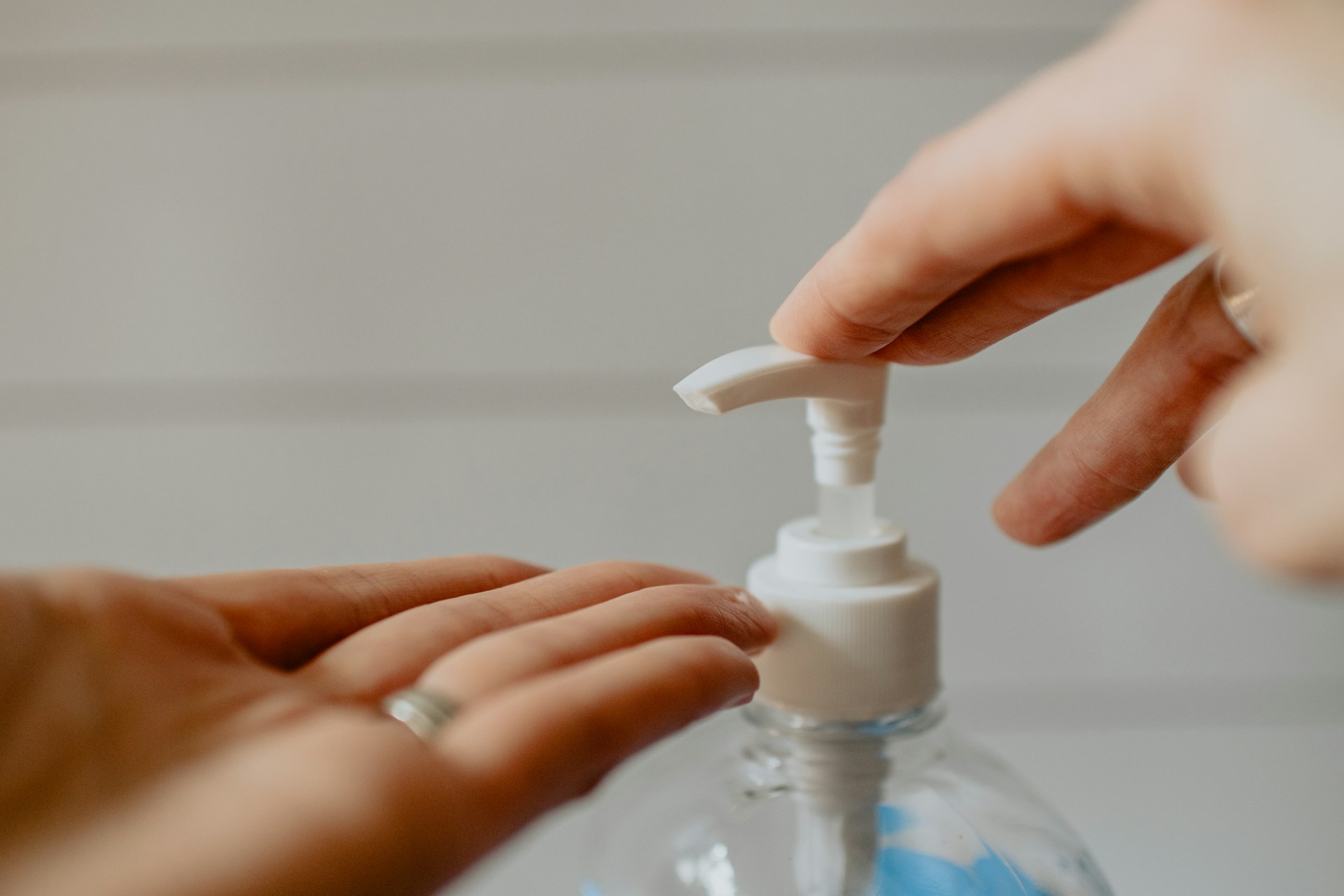
Regular handwashing removes germs that you may have picked up from surfaces. Use soap and water for at least 20 seconds or use hand sanitiser when soap isn't available.
4. Avoid Touching Your Face
Since COVID-19 can enter the body through the eyes, nose, and mouth, avoiding unnecessary face-touching can help reduce the risk of infection.
5. Keep Rooms Well-Ventilated
COVID-19 spreads more easily indoors. If you're meeting friends inside, open windows to improve airflow and reduce the concentration of virus particles in the air.
6. Take a COVID-19 Test If You Have Symptoms
If you feel unwell, taking a test can confirm whether you have COVID-19. If you test positive, staying at home and avoiding contact with others can prevent the virus from spreading further.
What Should You Do If You Test Positive?
If you test positive for COVID-19, follow these steps to protect yourself and others:
- Rest and stay hydrated
- Avoid close contact with others, especially vulnerable people
- Monitor your symptoms and seek medical help if needed
- Inform friends and family who may have been exposed
Can You Catch COVID-19 More Than Once?
Yes, reinfection is possible, even if you've had COVID-19 before. New variants can make it easier to catch the virus again, but vaccination helps reduce the risk of severe symptoms.
How Can You Help Stop the Spread?
Even if you're not worried about catching COVID-19 yourself, taking precautions helps protect others, especially those who may be more vulnerable.
- Stay home if you feel unwell
- Test before visiting elderly relatives or people with health conditions
- Encourage friends to take simple precautions
Final Thoughts
COVID-19 spreads through respiratory droplets, direct contact, and contaminated surfaces. By understanding how the virus spreads and taking precautions like vaccination, hygiene, and ventilation, you can lower the risk of catching and spreading the virus.
How are you feeling?
It is really important that when we need help, we feel able to ask for it. This could be speaking to a parent, a close friend, a teacher or someone else you trust. Sometimes it can be really hard to share our feelings with other people but if we are feeling low or don't know where to turn, sharing with others is really important. Teachers will always take you seriously and listen to your problems in confidence if you approach them for help. Likewise, parents, siblings or friends will help you if you reach out to them.
If you feel like you can't speak to anyone you know, there are people and organisations that can help support you:
- Childline - Call them on 0800 1111 any time of the day or night, every day of the week
- NSPCC - Call them on 0808 800 5000 between 10am and 4pm Monday to Friday or email them on help@NSPCC.org.uk
- The Samaritans – Call them on 116 123 any time of the day or night, every day of the week
- SANE – Call 0300 304 7000 for support (4:30pm - 10:30pm every day)
- Mind – Call 0300 123 3393 (9:00am - 6:00pm Monday to Friday)
*Sometimes we will use real life examples in our articles to aid understanding. When we do, names and ages will be changed.