













Let's get started...
Diabetes is a long-term health condition that affects how the body processes sugar (glucose). If you or someone you know has diabetes, you might be wondering: Can diabetes go away? The answer depends on the type of diabetes, medical treatments, and lifestyle changes.
This article will explore whether diabetes can go away, how it impacts young people, and practical strategies for managing the condition.
What Is Diabetes?
Diabetes occurs when the body struggles to regulate blood sugar levels. This happens due to problems with insulin, a hormone that helps control glucose in the bloodstream.
There are two main types of diabetes:
1. Type 1 Diabetes
Type 1 diabetes is an autoimmune disease, meaning the immune system mistakenly attacks the pancreas, stopping it from producing insulin.
Key facts about Type 1 diabetes:
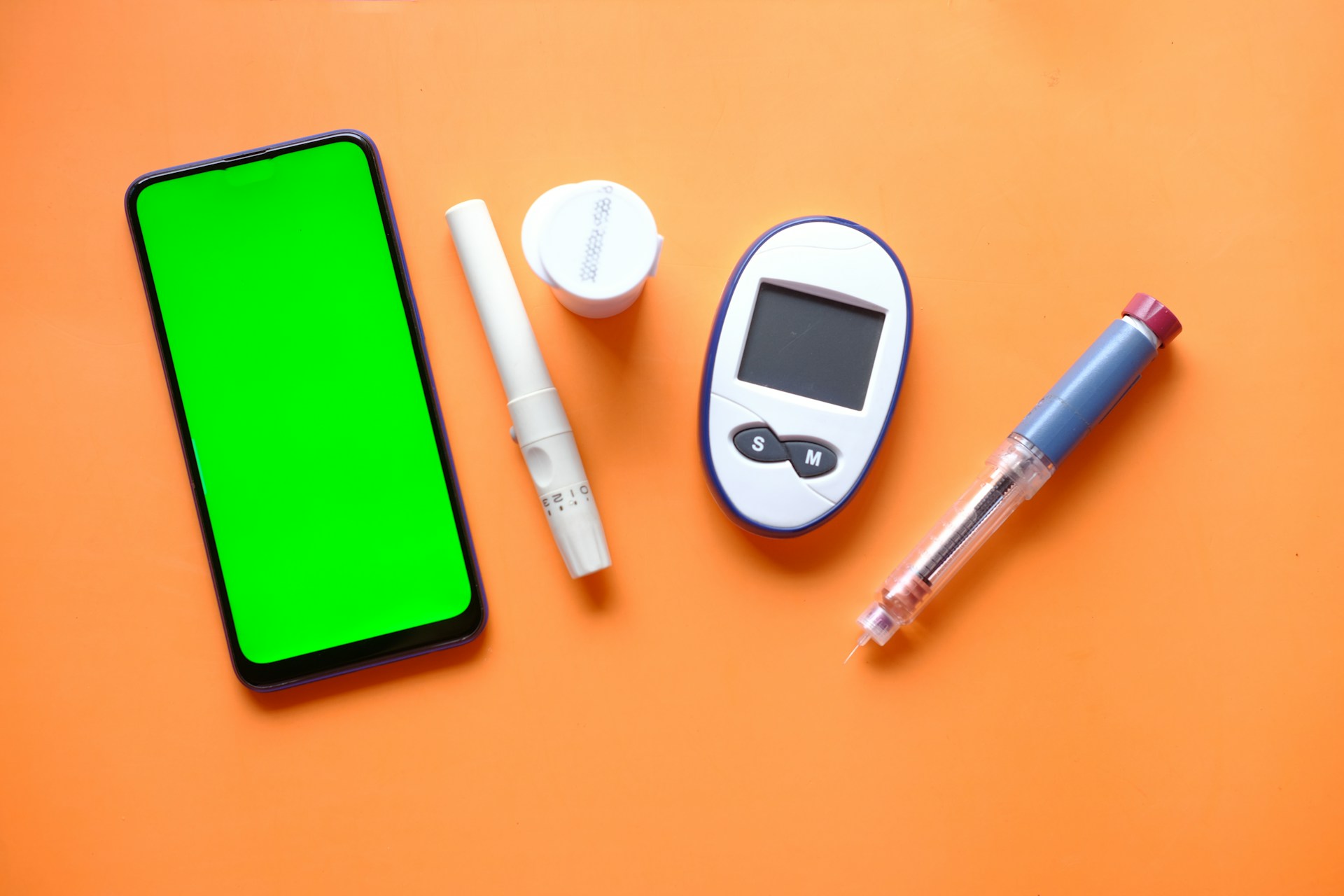
- It usually starts in childhood or adolescence.
- It is not caused by diet or lifestyle.
- People with Type 1 diabetes need to take insulin for life.
- Type 1 diabetes does not go away and currently has no cure.
2. Type 2 Diabetes
Type 2 diabetes happens when the body either does not produce enough insulin or cannot use it effectively. This form of diabetes is often linked to lifestyle factors, such as diet and exercise.
Key facts about Type 2 diabetes:
- It is more common in adults but is increasing among teenagers.
- It is linked to being overweight, inactivity, and genetics.
- It can sometimes be reversed or go into remission with lifestyle changes.
Can Diabetes Go Away?
The term "go away" suggests that diabetes can be completely cured and will never return. At the moment, there is no permanent cure for diabetes. However, Type 2 diabetes can sometimes go into remission, meaning that blood sugar levels return to a healthy range without medication.
1. Can Type 1 Diabetes Go Away?
Type 1 diabetes cannot go away because the body permanently stops producing insulin. However, scientists are researching ways to cure it, such as:
- Stem cell therapy: Scientists are working on regenerating insulin-producing cells.
- Immunotherapy: New treatments may stop the immune system from attacking the pancreas.
- Artificial pancreas technology: Devices that automatically regulate blood sugar levels.
For now, people with Type 1 diabetes must manage their condition with insulin, diet, and lifestyle adjustments.
2. Can Type 2 Diabetes Go Away?
Type 2 diabetes can sometimes go into remission. This means that blood sugar levels return to a normal range without medication, but the condition could return if unhealthy habits resume.
Ways to achieve remission include:
- Weight loss: Losing excess weight can help the body use insulin more effectively.
- Healthy eating: A balanced diet with low sugar and processed foods supports stable blood sugar levels.
- Exercise: Physical activity improves insulin sensitivity and helps maintain a healthy weight.
Even if Type 2 diabetes goes into remission, regular health check-ups are important to prevent it from returning.
How Diabetes Affects Young People
Living with diabetes as a teenager can be challenging, but understanding the condition helps you manage it effectively.
1. Managing Blood Sugar Levels
Checking blood sugar regularly and adjusting food, insulin, or activity levels can become a daily routine.
2. Social Life and Peer Pressure
Young people with diabetes may feel different from their friends, especially when it comes to food choices, parties, or sports activities.
3. Physical and Mental Health
Diabetes can affect energy levels, mood, and concentration. It's important to get support if it feels overwhelming.
Practical Strategies for Managing Diabetes
While diabetes may not go away completely, these steps can help you manage the condition effectively.
1. Maintain a Healthy Diet
Eating a balanced diet helps control blood sugar levels. Some key tips include:
- Choosing whole foods like fruits, vegetables, and lean proteins.
- Avoiding sugary drinks and processed snacks.
- Eating meals at regular times to prevent blood sugar spikes.
2. Stay Active
Exercise improves the body's ability to use insulin and manage blood sugar. Good activities include:
- Walking, running, or cycling.
- Sports like football, basketball, or swimming.
- Strength training or home workouts.
3. Monitor Blood Sugar Levels
Regular checks help you understand how your body responds to food, exercise, and stress.
4. Follow Medical Advice
Take insulin or medication as prescribed and attend regular check-ups with your doctor or diabetes specialist.
5. Seek Support
Having diabetes can feel overwhelming at times. Talk to:
- Parents or guardians.
- A school nurse or teacher.
- A diabetes support group or online community.
6. Plan for the Future
Learning how to manage diabetes now will help you lead a healthy and active life as an adult.
Can Future Research Help Diabetes Go Away?
Scientists are working on potential cures and better treatments, such as:
- Gene therapy: Changing the genes responsible for diabetes.
- New medications: Drugs that could prevent or reverse diabetes.
- Advances in pancreas transplants: Making insulin production possible again.
While these breakthroughs are still being tested, they offer hope that diabetes management will improve in the future.
Final Thoughts
Diabetes does not usually go away, but Type 2 diabetes can sometimes go into remission through lifestyle changes. Type 1 diabetes remains a lifelong condition, but with the right management, people with diabetes can live long, active, and healthy lives.
If you or someone you know has diabetes, focus on managing it effectively, staying informed, and looking after overall well-being.
How are you feeling?
It is really important that when we need help, we feel able to ask for it. This could be speaking to a parent, a close friend, a teacher or someone else you trust. Sometimes it can be really hard to share our feelings with other people but if we are feeling low or don't know where to turn, sharing with others is really important. Teachers will always take you seriously and listen to your problems in confidence if you approach them for help. Likewise, parents, siblings or friends will help you if you reach out to them.
If you feel like you can't speak to anyone you know, there are people and organisations that can help support you:
- Childline - Call them on 0800 1111 any time of the day or night, every day of the week
- NSPCC - Call them on 0808 800 5000 between 10am and 4pm Monday to Friday or email them on help@NSPCC.org.uk
- The Samaritans – Call them on 116 123 any time of the day or night, every day of the week
- SANE – Call 0300 304 7000 for support (4:30pm - 10:30pm every day)
- Mind – Call 0300 123 3393 (9:00am - 6:00pm Monday to Friday)
*Sometimes we will use real life examples in our articles to aid understanding. When we do, names and ages will be changed.