













Let's get started...
Since the outbreak of COVID-19, people across the world have been concerned about how the virus spreads and whether it can affect their pets. As pets are part of many families, understanding the risks and knowing how to keep them safe is important. Although COVID-19 primarily spreads between humans, cases of animals contracting the virus have been reported. But what does this mean for pet owners, and should we be worried?
Can COVID-19 Infect Pets?
COVID-19 is caused by the SARS-CoV-2 virus, which mainly spreads between humans through respiratory droplets. However, studies have shown that some animals can contract the virus, including pets like cats and dogs.
Cases of COVID-19 in pets are rare, but when they do occur, they are usually the result of close contact with an infected human. The virus has been detected in:
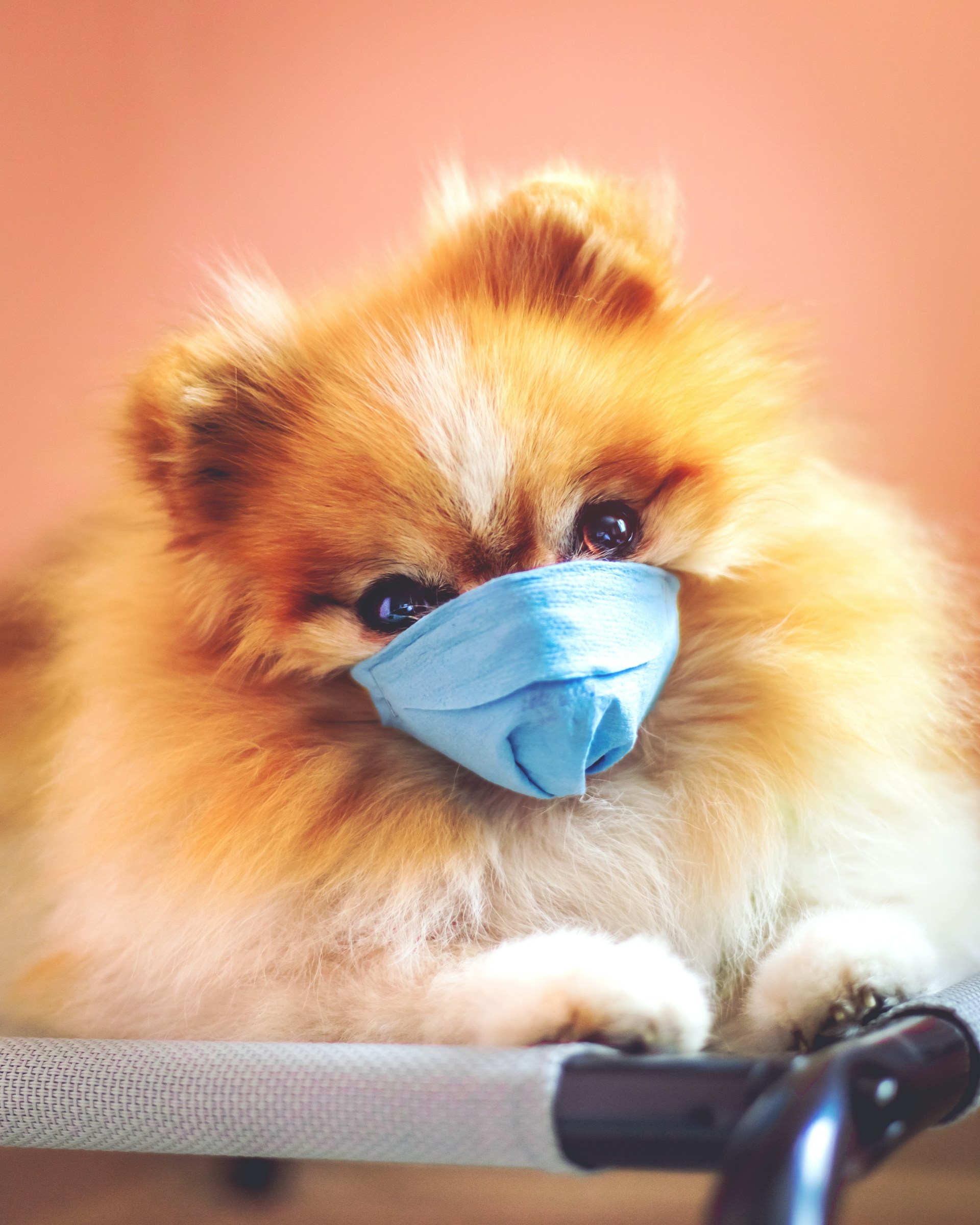
- Cats: Some domestic cats have tested positive for COVID-19 after being in contact with infected owners. They can develop mild respiratory symptoms.
- Dogs: A small number of dogs have tested positive, but they usually do not show symptoms or only have very mild ones.
- Other Animals: COVID-19 has been found in mink, tigers, lions, and other animals in zoos or farms.
Despite these cases, there is no strong evidence to suggest that pets can spread the virus to humans. The main risk remains human-to-human transmission.
How Could COVID-19 Affect Your Pet?
Although COVID-19 is not considered a major threat to pets, it is still important to understand how it might affect them.
Symptoms in Infected Pets
Most pets that test positive for COVID-19 have mild symptoms or none at all. If a pet does develop symptoms, they may include:
- Fever
- Coughing or sneezing
- Difficulty breathing
- Runny nose or eye discharge
- Lack of energy
- Loss of appetite
These symptoms are similar to other common illnesses in pets, so if you are concerned, it is always best to check with a vet.
The Real-Life Impact on a Young Pet Owner
For many young people, pets are a huge part of their lives, offering companionship, comfort, and emotional support. The idea that a pet could become ill due to COVID-19 can be worrying.
Mia's Story:
Mia, 16, had a cat named Luna who was always by her side. During the COVID-19 lockdown, Mia's family became sick with the virus. A few days later, she noticed Luna seemed more tired than usual and wasn't eating properly. She panicked, wondering if Luna had caught COVID-19 from them.
After speaking to a vet, Mia was reassured that while cats can get COVID-19, it is usually mild and goes away on its own. She was advised to keep Luna comfortable, provide fresh water and food, and minimise close contact while her family was still recovering.
A week later, Luna was back to her usual self. Mia learned an important lesson while COVID-19 can affect pets, there are ways to keep them safe, and the risk is generally low.
How to Protect Your Pet from COVID-19
Although the chances of your pet getting COVID-19 are low, there are still some simple steps you can take to keep them safe:
- Avoid Close Contact If You Are Infected: If you have COVID-19, try to limit contact with your pet, just as you would with other people.
- Wash Your Hands: Always wash your hands before and after handling pets, their food, or their belongings.
- Keep Pets Indoors If Necessary: If you or someone in your household has COVID-19, you might want to keep pets indoors to limit their exposure to others.
- Don't Put Masks on Pets: Pets do not need to wear masks, and doing so could cause them harm.
- Regular Vet check-Ups: If your pet seems unwell, contact a vet for advice.
What to Do If Your Pet Shows Symptoms
If your pet starts showing symptoms similar to COVID-19, here's what you should do:
- Stay Calm: The chances of severe illness are very low.
- Call a Vet: Describe the symptoms to a professional and follow their advice.
- Keep Them Comfortable: Make sure they have food, water, and a quiet place to rest.
- Limit Contact: If possible, keep your pet away from other people and animals until they recover.
Can Pets Spread COVID-19 to Humans?
One of the biggest concerns for pet owners is whether their pets could pass COVID-19 back to them. Current research suggests that while animals can catch the virus from humans, there is no strong evidence that they can spread it back to people.
However, it is always a good idea to practise good hygiene around pets, especially if someone in your household has tested positive for COVID-19.
Should You Get Your Pet Tested for COVID-19?
In most cases, testing pets for COVID-19 is not necessary. Vets usually only recommend testing if an animal has symptoms and has been in contact with someone who has tested positive. Even if a pet does test positive, most will recover without any treatment.
How Has COVID-19 Changed Pet Ownership?
The pandemic has had a major impact on how people care for their pets. Many people spent more time at home with their pets during lockdown, strengthening the bond between them. However, there were also challenges:
- Increased Vet Appointments: More pet owners became concerned about their pets health, leading to longer waiting times at vets.
- More Pet Adoptions: Many people adopted pets for companionship during lockdown.
- Separation Anxiety: As people returned to work and school, some pets struggled with being left alone.
Final Thoughts
While COVID-19 can affect pets, cases are rare, and most animals experience only mild symptoms. There is no strong evidence that pets spread the virus to humans, but it is always important to take precautions.
If you have a pet and are worried about COVID-19, the best thing you can do is stay informed, practise good hygiene, and speak to a vet if you have concerns. By taking simple steps, you can help keep your furry friend safe and healthy.
How are you feeling?
It is really important that when we need help, we feel able to ask for it. This could be speaking to a parent, a close friend, a teacher or someone else you trust. Sometimes it can be really hard to share our feelings with other people but if we are feeling low or don't know where to turn, sharing with others is really important. Teachers will always take you seriously and listen to your problems in confidence if you approach them for help. Likewise, parents, siblings or friends will help you if you reach out to them.
If you feel like you can't speak to anyone you know, there are people and organisations that can help support you:
- Childline - Call them on 0800 1111 any time of the day or night, every day of the week
- NSPCC - Call them on 0808 800 5000 between 10am and 4pm Monday to Friday or email them on help@NSPCC.org.uk
- The Samaritans – Call them on 116 123 any time of the day or night, every day of the week
- SANE – Call 0300 304 7000 for support (4:30pm - 10:30pm every day)
- Mind – Call 0300 123 3393 (9:00am - 6:00pm Monday to Friday)
*Sometimes we will use real life examples in our articles to aid understanding. When we do, names and ages will be changed.