

















Let's get started...
Understanding Cancer: Can It Be Cured?
Cancer is arguably one of the most daunting words in the English language, particularly when it pertains to someone's health diagnosis. Before diving into whether cancer can be cured or not, it's essential to unpack what cancer really is. Essentially, cancer is a disease where cells in a specific part of the body grow and reproduce uncontrollably. The cancerous cells can invade and destroy surrounding healthy tissue, including organs. There are over 200 different types of cancer, each with its unique characteristics and treatment responses.
When talking about curing cancer, it's crucial to understand the complexity of the disease. The idea of a "cure" implies that treatment will completely eliminate the cancer from the body, and it will never return. However, the reality with cancer is often more nuanced. Treatment success varies significantly depending on the cancer type, stage at diagnosis, and available treatments.
The Real Impact of Cancer on Young People
Cancer affects not only adults but also teenagers. Young people dealing with cancer face unique challenges. Beyond the physical symptoms of the disease and the side effects of treatments like chemotherapy, radiotherapy, and surgery, cancer significantly impacts a teenager's life. It can affect your schooling, social interactions, physical abilities, and emotional well-being.
Many young cancer patients find the experience isolating. While peers are focusing on school, relationships, and hobbies, those undergoing treatment must often prioritise their health and frequent medical appointments. This shift in focus can lead to feelings of loneliness and detachment from friends who may not fully understand what you're going through.
Current Treatments and Progress Toward a Cure
The good news is that research into cancer treatments has made enormous strides in the past few decades. Treatments like surgery, chemotherapy, radiotherapy, and immunotherapy have proven effective against many cancer types. Recently, targeted therapy and precision medicine have begun providing new hope, tailoring treatments to the genetic makeup of a patient's tumour, which can increase treatment efficacy and reduce side effects.
However, while some cancers can now be treated successfully and lead to long-term remission, others remain very challenging to treat effectively. Leukaemia, breast cancer, and testicular cancer, for instance, often have higher survival rates, especially when caught early. On the other hand, cancers like pancreatic cancer and some types of brain cancers are still associated with lower survival rates.
Strategies to Cope If You or a Peer Has Cancer
Dealing with cancer is challenging, but there are various ways to make the journey easier. Here are some strategies:
- Seek Reliable Information: Always obtain cancer-related information from credible sources like hospital websites, government health sites, or cancer research charities. This will help you understand the disease, treatment options, and what to expect.
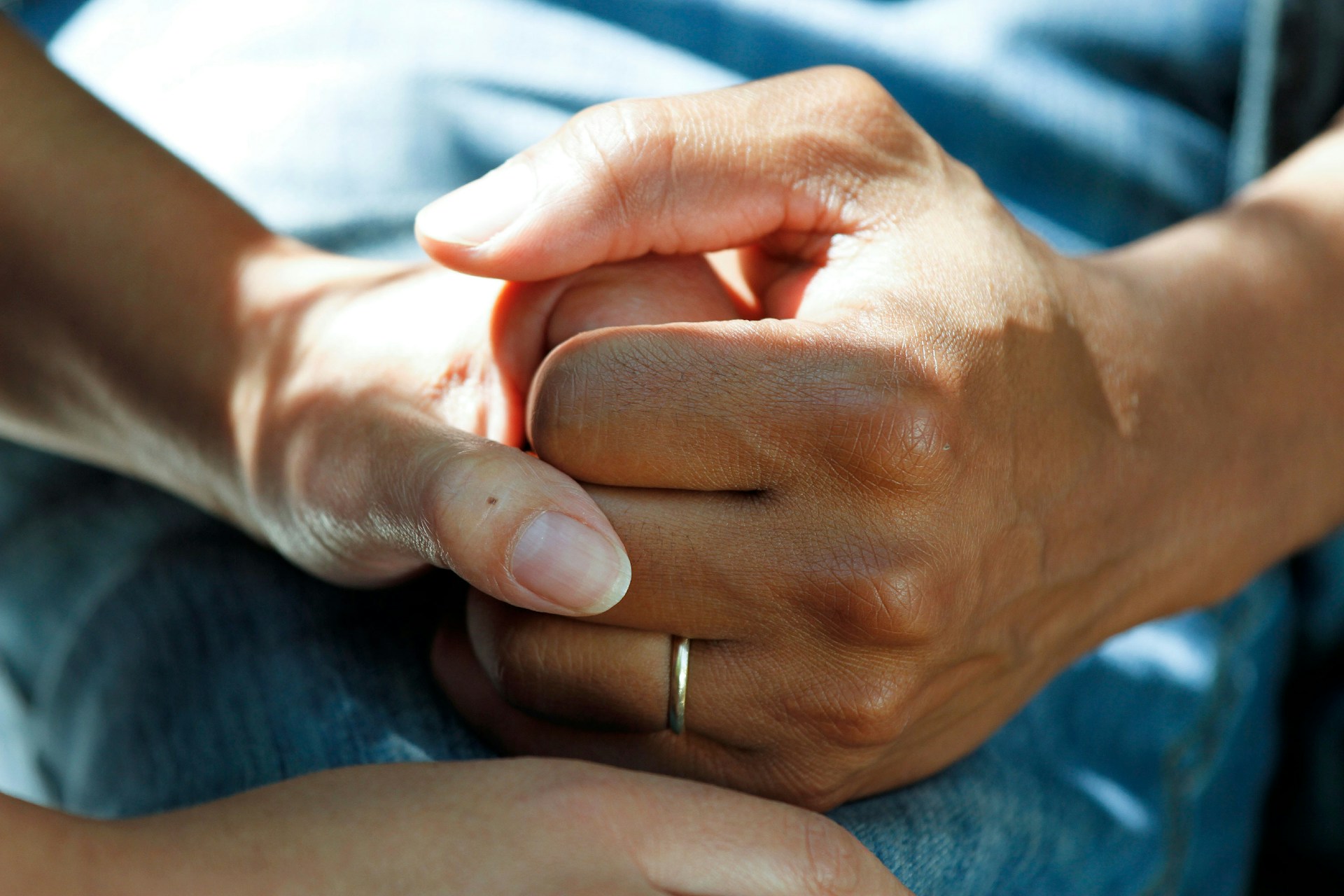
- Build a Support Network: Surround yourself with friends, family, and professional counsellors who understand and can provide emotional support. Online forums and support groups can also be invaluable, connecting you with others going through similar experiences.
- Maintain a Routine: As much as possible, keep up with daily activities and hobbies. This can provide a sense of normalcy and control amidst the chaos of treatment schedules and doctor visits.
- Communicate with Your Medical Team: Don't hesitate to ask your doctors and nurses any questions about your condition or treatments. Understanding your health journey can help reduce anxiety.
- Focus on Nutrition: A well-balanced diet can help you feel better and support your body through treatment. Some treatments might lead to specific dietary needs, so consider speaking with a nutritionist.
Looking to the Future
Is cancer curable? The answer is complex. While many cancers can be treated effectively, leading to remission and a return to normal life, a universal "cure" for all cancers still eludes the medical community. Furthermore, "cure" might not be the most accurate term many doctors prefer to use terms like "remission" or "treatable," depending on the case.
What is most promising, however, is the pace of advancement in cancer research. With every passing year, new treatments are developed, and existing ones are refined, increasing the survival rates and quality of life for many affected by this disease. As a young person, facing cancer or seeing a friend face cancer can be frightening, but it's important to hold onto hope and focus on the resources and support systems available to you.
How are you feeling?
It is really important that when we need help, we feel able to ask for it. This could be speaking to a parent, a close friend, a teacher or someone else you trust. Sometimes it can be really hard to share our feelings with other people but if we are feeling low or don't know where to turn, sharing with others is really important. Teachers will always take you seriously and listen to your problems in confidence if you approach them for help. Likewise, parents, siblings or friends will help you if you reach out to them.
If you feel like you can't speak to anyone you know, there are people and organisations that can help support you:
- Childline - Call them on 0800 1111 any time of the day or night, every day of the week
- NSPCC - Call them on 0808 800 5000 between 10am and 4pm Monday to Friday or email them on help@NSPCC.org.uk
- The Samaritans – Call them on 116 123 any time of the day or night, every day of the week
- SANE – Call 0300 304 7000 for support (4:30pm - 10:30pm every day)
- Mind – Call 0300 123 3393 (9:00am - 6:00pm Monday to Friday)
*Sometimes we will use real life examples in our articles to aid understanding. When we do, names and ages will be changed.
