













Let's get started...
Ever heard someone mention cancer and wondered if all cancers are the same? Chances are, you might know someone affected by it or perhaps have heard about it in school. The truth is, cancer is not just one disease but a collection of related diseases where cells in the body start to grow uncontrollably. Understanding the different types might seem like something only doctors should worry about, but knowing more could empower you to help others or even look after your own health better.
A Closer Look at Cancer
Cancer can develop almost anywhere in the human body, which comprises trillions of cells. Normally, human cells grow and divide to form new cells as the body needs them. When cells grow old or get damaged, they die, and new cells take their place. However, this orderly process can break down, and when it does, cells start to grow uncontrollably. These abnormal cells can eventually form what we know as tumours, which are lumps of tissue.
Tumours can be cancerous (malignant) or not cancerous (benign). Malignant tumours spread into, or invade, nearby tissues and can travel to distant places in the body to form new tumours, a process known as metastasis. Unlike malignant tumours, benign tumours do not spread to other parts of the body.
Main Types of Cancer
There are over 100 types of cancer, categorised usually by the organs or tissues where they develop. For simplicity, let's touch on a few major categories:
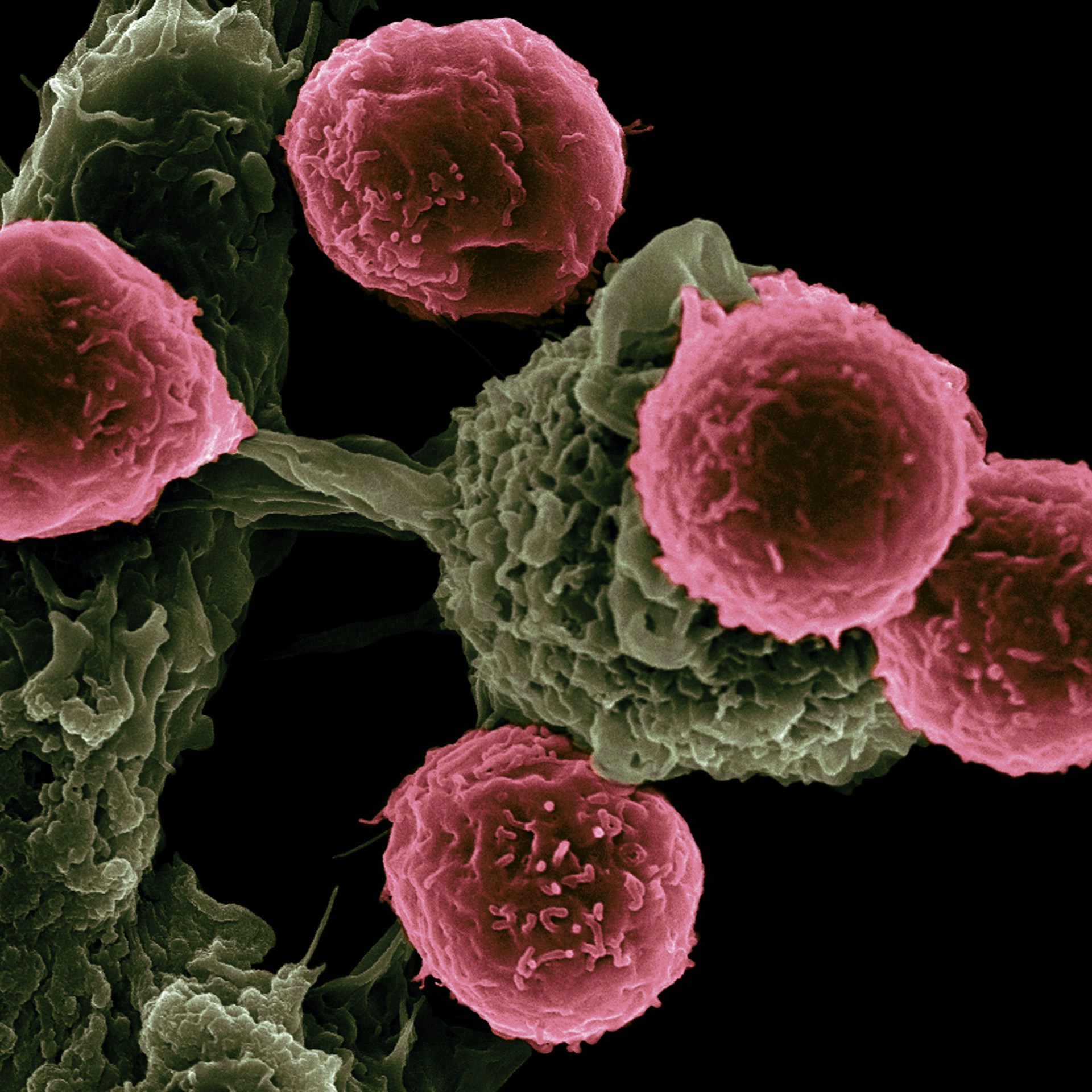
- Carcinomas - They start in the skin or tissues that line the internal organs. Common examples include breast, prostate, lung, and colon cancer.
- Sarcomas - These develop in the bone, cartilage, fat, muscle, blood vessels, or other connective or supportive tissue.
- Leukaemia's - These cancers begin in the tissue that forms blood, such as the bone marrow, and result in large numbers of abnormal blood cells being produced and entering the blood.
- Lymphomas - They start in the lymphocytes which are the cells of the immune system. They typically grow in lymph nodes and other lymphoid tissues.
- Brain and spinal cord cancers - These are known as central nervous system cancers.
Impact on Young People
The impact of cancer on teenagers can be profound and varies depending on many factors like the type of cancer, the stage at which it is diagnosed, and how it affects the body. Some young individuals might struggle with just the emotional backlash of knowing someone with cancer, while others might be patients themselves.
Here are a few challenges they might face:
- Physical effects - These can range from tiredness (fatigue) and changes in physical appearance, to more severe impacts depending on the cancer treatment like chemotherapy or surgery.
- Emotional stress - Dealing with cancer can be isolating, leaving teens feeling different from their peers. It can also lead to anxiety and depression.
- Social and school life - Cancer treatments and frequent hospital visits can disrupt school and social activities, affecting academics and peer relationships.
Practical Strategies for Dealing with Cancer
Whether you're learning about cancer because a family member is suffering, a friend is affected or you're just interested in the topic, here are some practical ways you can handle the news:
- Educate Yourself - Knowledge is power. Understanding what your friend or family member is going through can make a big difference in how you offer support.
- Be There - Sometimes, just being there and listening can be more powerful than any words of comfort.
- Take Care of Yourself - It's easy to get overwhelmed. Make sure you're eating well, getting exercise, and sleeping enough. It's okay to take time for yourself.
- Seek Support - You don't have to handle everything alone. Talking to a counsellor or joining a support group can help.
- Create a Routine - If you are dealing directly with cancer, maintaining some sort of routine can help bring some normalcy back into your life. This can include hobbies, time with friends, or school work.
Conclusion
Understanding the various types of cancer and the impact they have can be a lot to take in, especially as a teenager. However, educating yourself, offering support, and finding resources can help manage the challenge. Remember, whether you're directly affected by cancer or supporting someone who is, you're not alone in this journey.
How are you feeling?
It is really important that when we need help, we feel able to ask for it. This could be speaking to a parent, a close friend, a teacher or someone else you trust. Sometimes it can be really hard to share our feelings with other people but if we are feeling low or don't know where to turn, sharing with others is really important. Teachers will always take you seriously and listen to your problems in confidence if you approach them for help. Likewise, parents, siblings or friends will help you if you reach out to them.
If you feel like you can't speak to anyone you know, there are people and organisations that can help support you:
- Childline - Call them on 0800 1111 any time of the day or night, every day of the week
- NSPCC - Call them on 0808 800 5000 between 10am and 4pm Monday to Friday or email them on help@NSPCC.org.uk
- The Samaritans – Call them on 116 123 any time of the day or night, every day of the week
- SANE – Call 0300 304 7000 for support (4:30pm - 10:30pm every day)
- Mind – Call 0300 123 3393 (9:00am - 6:00pm Monday to Friday)
*Sometimes we will use real life examples in our articles to aid understanding. When we do, names and ages will be changed.