













Let's get started...
Cancer is a topic that often feels overwhelming or even scary to talk about, yet it's something that affects many people directly or indirectly. Whether you've seen someone close to you go through it, or you're just curious about what it means, understanding cancer can make it less daunting. Here are 10 things you always wanted to know about cancer but might have been too afraid to ask.1. What Is Cancer?
Cancer occurs when cells in the body grow uncontrollably and form abnormal tissue called tumours. Not all tumours are cancerous, benign tumours don't spread, while malignant tumours can invade other parts of the body. There are over 200 different types of cancer, affecting various organs and systems.2. What Causes Cancer?
Cancer is caused by changes (mutations) in the DNA of cells. These mutations can be triggered by factors such as smoking, exposure to the sun, poor diet, or even inherited genetic conditions. Sometimes, there's no clear reason why cancer develops, which can make it feel unpredictable.3. Can Cancer Be Prevented?
While not all cancers can be prevented, certain lifestyle choices can lower your risk. These include: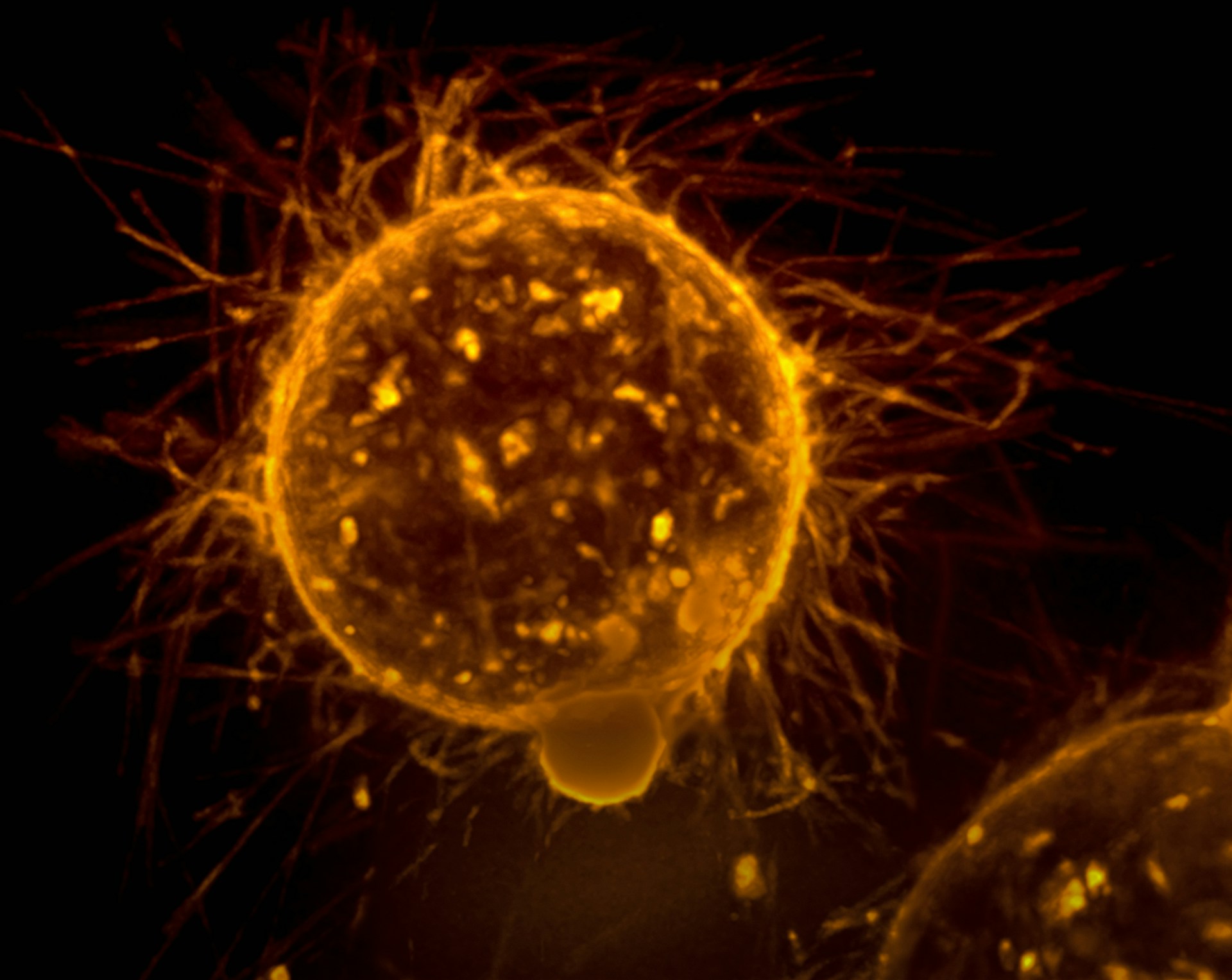
- Not smoking or using tobacco products
- Eating a healthy, balanced diet
- Staying active and maintaining a healthy weight
- Using sunscreen to protect your skin from harmful UV rays
- Getting vaccinated against viruses like HPV, which can cause certain cancers
4. How Is Cancer Detected?
Cancer is often detected through tests such as blood work, scans, or biopsies. Sometimes, symptoms like unexplained weight loss, persistent pain, or unusual lumps can signal that something is wrong. Early detection is crucial, as it increases the chances of successful treatment.5. Is Cancer Common in Teenagers?
While cancer is less common in teenagers compared to adults, it can still happen. Cancers like leukaemia, lymphoma, and bone cancer are more likely to affect young people. The good news is that many cancers in teenagers respond well to treatment, especially when caught early.6. What Is It Like to Go Through Cancer Treatment?
Cancer treatment often includes a combination of therapies such as surgery, chemotherapy, radiation, or immunotherapy. Each person's experience is different. While treatment can be tough and may cause side effects like fatigue or hair loss, it's designed to target cancer cells and give the best chance of recovery.7. How Does Cancer Affect a Young Person's Life?
Dealing with cancer can be a life-changing experience. For teenagers, it may disrupt school, friendships, and hobbies. Support from loved ones and staying connected to your normal life as much as possible can make a big difference.8. Can Someone with Cancer Still Have a Normal Life?
Many people with cancer continue to lead fulfilling lives. Even during treatment, staying involved in school, hobbies, or spending time with friends is possible. After treatment, many people go on to achieve their goals, showing that cancer doesn't define them. Advances in treatment mean survival rates are improving for many types of cancer.9. How Can You Support Someone with Cancer?
If you know someone with cancer, your support can mean a lot. Here are some ways to help:- Be there for them: Spend time with them and listen without judgement.
- Offer practical help: Help with homework, bring over their favourite snacks, or run errands for them.
- Be sensitive: Avoid making assumptions or saying things like, "You'll be fine." Instead, let them share how they feel.
- Stay in touch: Send messages, call, or visit to let them know you care.
10. Where Can You Learn More About Cancer?
If you're curious about cancer or want to support someone going through it, there are many resources available. Websites like Cancer Research UK and Macmillan Cancer Support offer reliable information and advice. Your school nurse or a trusted adult can also provide guidance.Conclusion
Cancer is a complex and challenging subject, but understanding it can make it less intimidating. Whether you're looking for ways to prevent it, support someone affected, or simply learn more, knowledge is a powerful tool. Remember, help and support are always available, and you're never alone in dealing with this topic.How are you feeling?
It is really important that when we need help, we feel able to ask for it. This could be speaking to a parent, a close friend, a teacher or someone else you trust. Sometimes it can be really hard to share our feelings with other people but if we are feeling low or don't know where to turn, sharing with others is really important. Teachers will always take you seriously and listen to your problems in confidence if you approach them for help. Likewise, parents, siblings or friends will help you if you reach out to them.
If you feel like you can't speak to anyone you know, there are people and organisations that can help support you:
- Childline - Call them on 0800 1111 any time of the day or night, every day of the week
- NSPCC - Call them on 0808 800 5000 between 10am and 4pm Monday to Friday or email them on help@NSPCC.org.uk
- The Samaritans – Call them on 116 123 any time of the day or night, every day of the week
- SANE – Call 0300 304 7000 for support (4:30pm - 10:30pm every day)
- Mind – Call 0300 123 3393 (9:00am - 6:00pm Monday to Friday)
*Sometimes we will use real life examples in our articles to aid understanding. When we do, names and ages will be changed.