













Let's get started...
Understanding the Key Differences Between Countryside and City Living
Deciding where to live can significantly impact our lifestyle, well-being, and opportunities, especially during teenage years. Living in the countryside versus a city paints two different pictures of daily life, each with its unique set of advantages and challenges. Whether you're just dreaming about where you might move in the future or actively deciding where to go for university or work, understanding these differences can help shape your choice.
1. Lifestyle and Pace of Life
The pace of life is one of the most noticeable differences between country and city living. Cities are often bustling hubs of activity with a fast-paced lifestyle. People in cities tend to have busier schedules, and the environment is more dynamic. This can be exciting, as there is always something new happening, from music gigs and theatre shows to sports events and festivals.
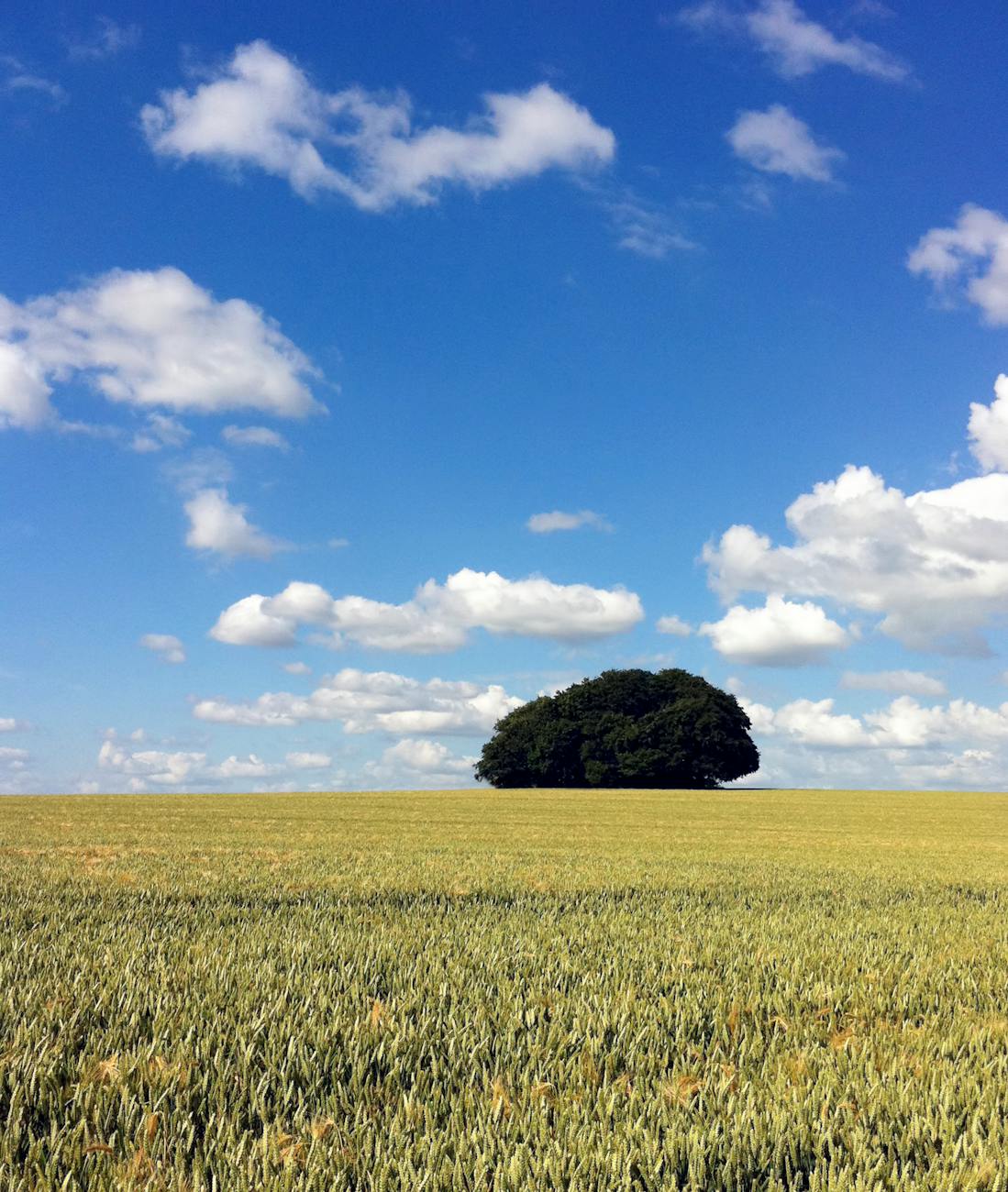
Contrastingly, the countryside offers a more relaxed and slow-paced environment. The natural surroundings and smaller communities create a peaceful ambience, which many find soothing. For teenagers, this could mean more time spent outdoors, closer connections with neighbours, and a quieter life overall.
Real-life impact:
City life could enhance your social life and provide more cultural experiences, while countryside living might offer deeper community ties and opportunities for reflection and relaxation.
Practical strategy:
- If you find city life overwhelming, try integrating routine visits to parks or quiet cafes to find some peace.
- In the countryside, join local clubs or online groups to keep connected with broader interests and events.
2. Access to Amenities and Services
Cities are typically hubs for services and amenities including shopping centres, healthcare facilities, educational institutions, and more. This convenience is a significant advantage, as everything you might need is usually within easy reach. For teenagers, this means easier access to schools, libraries, and leisure centres, which are crucial for personal development and entertainment.
Living in the countryside often means that these facilities can be farther away and less varied. You might have to travel greater distances for school, medical care, or even a simple cinema trip. This can limit your choices and may require more planning and time for any activity outside the home.
Real-life impact:
City dwellers benefit from immediate access to services and opportunities, while countryside residents may develop better planning skills due to less accessibility.
Practical strategy:
- City residents should take full advantage of the public transport systems to make mobility cheaper and effective.
- For countryside inhabitants, consider carpooling or planning errands in batches to save on travel time and costs.
3. Exposure to Nature and Environment Quality
The quality and access to natural environments differ vastly between the city and countryside. Urban areas, despite efforts to integrate green spaces, typically suffer from higher levels of pollution and fewer green areas compared to their rural counterparts. However, many cities are enhancing their efforts to increase accessible parkland and improve air quality.
Conversely, the countryside offers abundant landscapes, cleaner air, and direct contact with nature. This setting not only promotes physical activity and mental well-being but also provides a healthier overall environment. The connection to nature can enhance mindfulness and reduce stress levels, which is beneficial during the often turbulent teenage years.
Real-life impact:
City residents might struggle with environmental quality issues, whereas countryside folks generally enjoy a healthier environment.
Practical strategy:
- Urban teenagers should try to spend regular time in local parks and get involved in community gardens.
- Countryside dwellers could embrace outdoor activities like hiking, cycling, or farming.
4. Community and Social Connections
The scale and nature of social networks differ by geography. Cities offer anonymity and the chance to meet a wide variety of people, including during events or volunteering activities. This diversity can be particularly enriching, providing exposure to different cultures and lifestyles.
In rural areas, communities tend to be closer-knit, which can result in stronger bonds between residents. However, this can sometimes feel limiting, especially for teens eager to explore diverse lifestyles and ideas. Moreover, social events might be fewer and farther between, though they often involve the whole community when they do occur.
Real-life impact:
City living might enhance your social network diversity, while countryside living could foster closer, albeit smaller, social circles.
Practical strategy:
- In cities, engage in clubs or initiatives to broaden your social circle and experience new cultures.
- In the countryside, consider starting new community projects or social events to bring diverse groups together and create excitement.
Ultimately, whether city or countryside living suits you better will depend on your personal preferences and lifestyle needs. By understanding these differences and how they affect your day-to-day life, you can make a more informed decision about where you want to forge your path during the formative teenage years and beyond.
How are you feeling?
It is really important that when we need help, we feel able to ask for it. This could be speaking to a parent, a close friend, a teacher or someone else you trust. Sometimes it can be really hard to share our feelings with other people but if we are feeling low or don't know where to turn, sharing with others is really important. Teachers will always take you seriously and listen to your problems in confidence if you approach them for help. Likewise, parents, siblings or friends will help you if you reach out to them.
If you feel like you can't speak to anyone you know, there are people and organisations that can help support you:
- Childline - Call them on 0800 1111 any time of the day or night, every day of the week
- NSPCC - Call them on 0808 800 5000 between 10am and 4pm Monday to Friday or email them on help@NSPCC.org.uk
- The Samaritans – Call them on 116 123 any time of the day or night, every day of the week
- SANE – Call 0300 304 7000 for support (4:30pm - 10:30pm every day)
- Mind – Call 0300 123 3393 (9:00am - 6:00pm Monday to Friday)
*Sometimes we will use real life examples in our articles to aid understanding. When we do, names and ages will be changed.