

















Let's get started...
Living in the countryside offers a unique lifestyle that differs significantly from urban environments. It's distinguishing features include open spaces, closer proximity to nature, and often a tighter-knit community. As a teen, experiencing life in a rural setting can shape your perceptions, experiences, and even future decisions in diverse ways.
The Allure of the Countryside
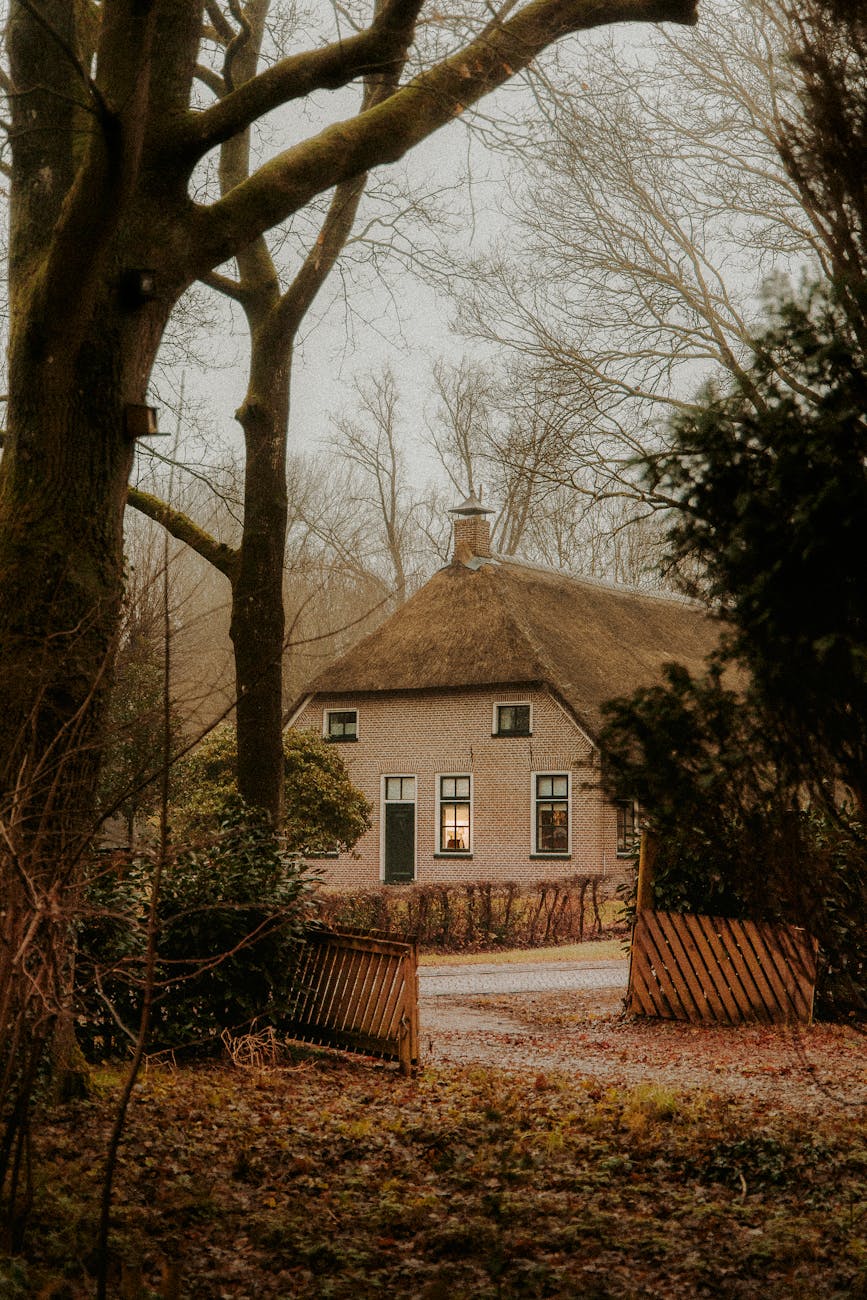
The countryside is often idealised for its scenic landscapes and tranquil atmosphere. Rolling hills, lush green fields, and a plethora of wildlife offer a daily spectacle that's typically absent in cities. The slower pace of life is another often-cited benefit, supposedly allowing for more relaxation and less stress.
For teenagers who grow up in these environments, these attributes can lead to a deep appreciation for nature and sustainability. Activities like hiking, biking, and horse riding become part of the everyday lifestyle, offering both recreational activities and a form of physical exercise that is naturally integrated into daily life.
Community and socialising
One of the quintessential elements of countryside living is the sense of community. In smaller rural towns, people tend to know each other more personally, and communities often bond over local events like fairs, markets, and school functions. This can provide a sense of belonging and security for young people, who often find their lifelong friends within these tight-knit groups.
However, this closeness has a flip side. The limited number of peers can sometimes lead to feelings of isolation, particularly for teenagers looking for diverse social interactions beyond their local community. Moreover, in the age of technology and social media, rural areas may sometimes lag in connectivity, which can impact a teenager's ability to engage with broader, global communities online.
Educational Opportunities and Challenges
The educational landscape in the countryside can also be quite different. Schools are often smaller, which can lead to more personalised attention from teachers and potentially stronger relationships within the school community. However, these schools might not offer as wide a range of subjects or extracurricular activities due to fewer resources and fewer staff members specialising in diverse fields.
travelling to a larger town or city for better educational opportunities is an option, but it's one that comes with its own set of challenges like long commutes and early mornings, which can take a toll on a teenager's health and social life.
Services and Amenities
Rural areas often have limited access to services and amenities. Shopping options might be restricted to local markets and smaller stores, and entertainment options like cinemas, theatres, and art galleries may be few and far between. This means teens in the countryside often have to be more creative with their leisure time, relying on natural landscapes and community gatherings to make their own fun.
Strategies for Thriving in the Countryside
- Engage with Your Community: Involve yourself in local events and activities. This can include joining or starting clubs and sports teams, or volunteering for community service. This not only enriches your social life but also deepens your connection to your locale.
- Explore the Great Outdoors: Take advantage of the natural environment around you. Learn new skills like fishing, camping, or mountain biking, which are not only fun but also allow you to appreciate your surroundings from a new perspective.
- Use Technology to Your Advantage: Overcome feelings of isolation by staying connected with friends and interests online. Engage in online learning to supplement your education where local schooling might not cover all bases.
- Travel When Possible: While the countryside offers many benefits, visiting towns and cities can provide a broader perspective and keep you interconnected with the wider world. This could be through day trips, educational visits, or longer holidays.
Conclusion
Living in the countryside as a teenager offers a mix of charming, peaceful living and the challenges of limited social and educational scope. However, by engaging actively with both local and global communities, seeking out educational opportunities, and making the most of the natural environment, you can enjoy a rich, fulfilling life. Whether it's the serene environment, the close-knit community or the unique challenges, countryside living undoubtedly shapes a young person's growth in profound ways.
How are you feeling?
It is really important that when we need help, we feel able to ask for it. This could be speaking to a parent, a close friend, a teacher or someone else you trust. Sometimes it can be really hard to share our feelings with other people but if we are feeling low or don't know where to turn, sharing with others is really important. Teachers will always take you seriously and listen to your problems in confidence if you approach them for help. Likewise, parents, siblings or friends will help you if you reach out to them.
If you feel like you can't speak to anyone you know, there are people and organisations that can help support you:
- Childline - Call them on 0800 1111 any time of the day or night, every day of the week
- NSPCC - Call them on 0808 800 5000 between 10am and 4pm Monday to Friday or email them on help@NSPCC.org.uk
- The Samaritans – Call them on 116 123 any time of the day or night, every day of the week
- SANE – Call 0300 304 7000 for support (4:30pm - 10:30pm every day)
- Mind – Call 0300 123 3393 (9:00am - 6:00pm Monday to Friday)
*Sometimes we will use real life examples in our articles to aid understanding. When we do, names and ages will be changed.
