

















Let's get started...
Exploring Sports Unique to the Countryside: An Adventure Beyond City Limits
The charm of the countryside isn't just in its scenic landscapes and peaceful surroundings, but also in the unique sporting opportunities it offers. While urban areas boast structured sports facilities, the countryside opens up a variety of sports that harness the natural environment. This shift not only provides fresh challenges but also introduces young people to new hobbies and passions.
The Appeal of Countryside Sports
Participating in countryside sports can be a refreshing change for teenagers who are used to city life. These sports often require natural settings that are unmodified and vast, offering a different kind of interaction with the physical environment. This can include everything from water sports in local lakes to mountain biking on forest trails. Engaging in these activities not only boosts physical fitness but also enhances appreciation for nature and rural environments.
Types of Countryside Sports
Here are some sports that you can enjoy in the countryside, each offering its own thrill and connection with nature:
1. Hiking and Trail Running
Hiking and trail running are perhaps the most accessible sports that one can enjoy in the countryside. They require minimal equipment primarily good footwear and perhaps a map or GPS device in unfamiliar territories. These activities not only strengthen cardiovascular fitness but also improve mental health, as the natural setting provides a calming effect. Whether it's a gentle hike up a hill or a challenging trail run, the varied terrain makes these activities engaging and rewarding.
2. Mountain Biking
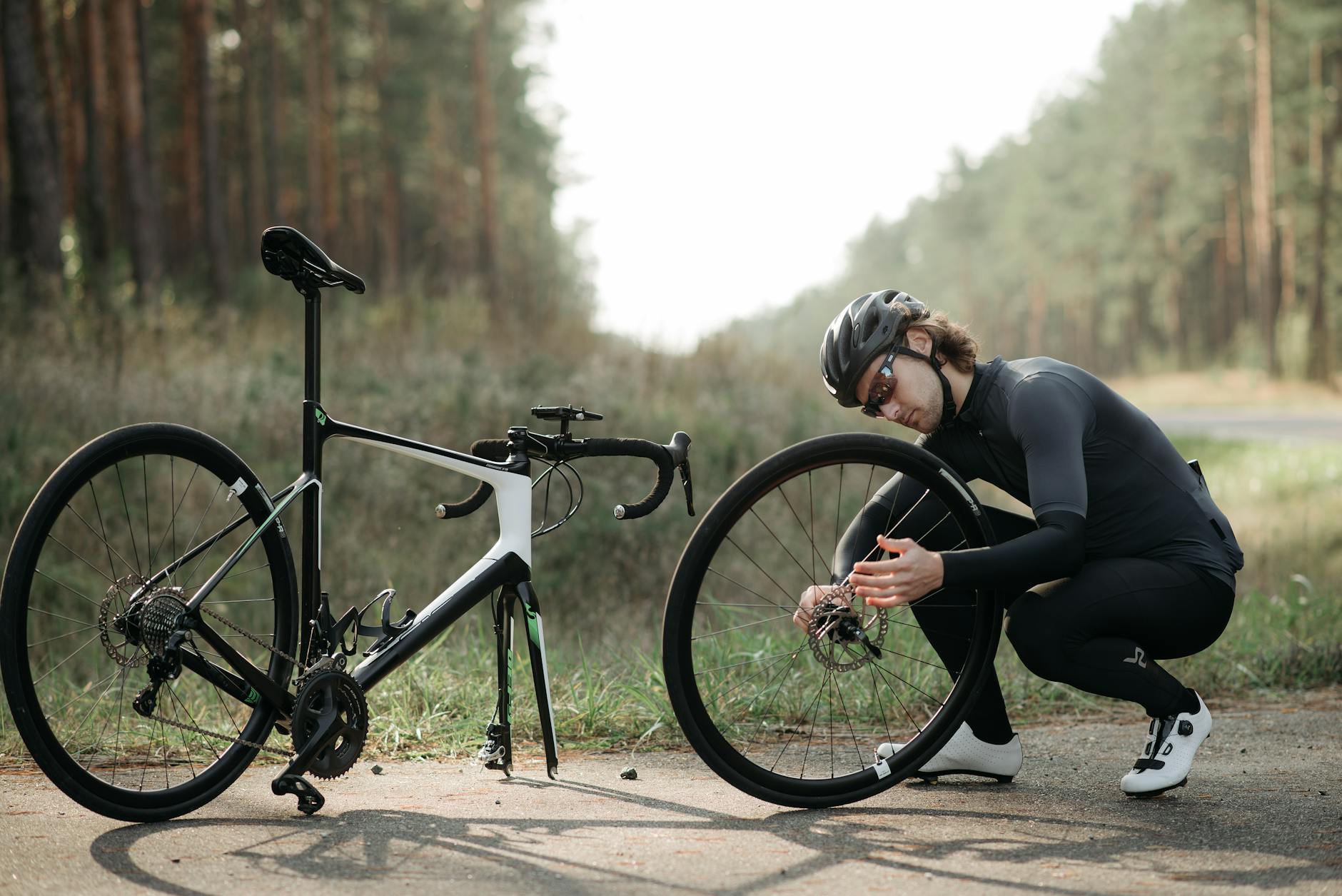
Mountain biking is a thrilling sport for those who like a bit of adventure mixed with physical challenge. The countryside often offers a variety of trails designed for different skill levels, from beginner to advanced. It's an excellent way for teenagers to develop their coordination and stamina, and to learn about risk assessment and management as they navigate different terrains.
3. Equestrian Sports
Horse riding is deeply associated with the countryside due to the space required for keeping horses and the availability of trails and paths for riding. Equestrian sports can range from casual riding to more structured forms like dressage or show jumping. This sport not only teaches riding skills but also instils a sense of responsibility as young riders learn to care for their horses.
4. Fishing
Fishing might be seen as a leisurely activity rather than a sport by some, but it certainly requires skill, patience, and understanding of the aquatic environment. It can be a peaceful way to connect with nature and learn about the ecosystem of rivers and lakes in the countryside.
5. Archery
Archery can be practiced in various settings, but the countryside often provides a more scenic and suitable environment for shooting arrows safely. It improves concentration, focus, and hand-eye coordination. Whether target archery or field archery, which involves shooting at targets of varying distances in a woodsy setting, it's an engaging sport that caters to individuals and teams.
6. Kayaking and Canoeing
If you're near water bodies, kayaking and canoeing are fantastic ways to explore aquatic environments. They not only provide a full-body workout but also offer the chance to see wildlife and learn about water safety and navigation.
Impact of Countryside Sports on Young People
Engaging in countryside sports has multiple benefits for young people. Physically, these activities enhance fitness levels and motor skills. Mentally, they can increase confidence and mental resilience as individuals face and overcome natural challenges. Socially, many countryside sports involve community participation and teamwork, helping teenagers build relationships and communication skills.
How to Get Started with Countryside Sports
Starting a new sport in the countryside might seem daunting at first, especially if you're used to urban conveniences. However, with the right approach, you can easily embark on this new adventure:
- Research: Learn about the sports available in your area and what they entail. Understanding the equipment, skills, and conditions needed is crucial.
- Beginner classes: Most sports offer beginner sessions or classes. These are great for learning the fundamentals in a supportive environment.
- Safety first: Always prioritise safety. This includes understanding the natural environment you're in, like weather conditions and wildlife, and having the right safety gear.
- Local clubs: Joining a local sports club or group can provide a supportive community and access to better facilities or training.
- Consistency: Like any sport, consistency is key to improvement. Try to regularly engage in your chosen countryside sport to develop your skills and enjoy the benefits.
Conclusion
Exploring countryside sports opens up a new realm of physical and mental challenges that can transform a teenager's routine and worldview. From the exhilarating rush of mountain biking to the focused calm of fishing, the countryside offers a wealth of sporting activities that cater to various interests and skill levels. Venturing into these sports not only promotes a healthier lifestyle but also strengthens connections with nature and community. So why not step out of the city and into the countryside to discover what new adventures await?
How are you feeling?
It is really important that when we need help, we feel able to ask for it. This could be speaking to a parent, a close friend, a teacher or someone else you trust. Sometimes it can be really hard to share our feelings with other people but if we are feeling low or don't know where to turn, sharing with others is really important. Teachers will always take you seriously and listen to your problems in confidence if you approach them for help. Likewise, parents, siblings or friends will help you if you reach out to them.
If you feel like you can't speak to anyone you know, there are people and organisations that can help support you:
- Childline - Call them on 0800 1111 any time of the day or night, every day of the week
- NSPCC - Call them on 0808 800 5000 between 10am and 4pm Monday to Friday or email them on help@NSPCC.org.uk
- The Samaritans – Call them on 116 123 any time of the day or night, every day of the week
- SANE – Call 0300 304 7000 for support (4:30pm - 10:30pm every day)
- Mind – Call 0300 123 3393 (9:00am - 6:00pm Monday to Friday)
*Sometimes we will use real life examples in our articles to aid understanding. When we do, names and ages will be changed.
