













Let's get started...
Moving Day Essentials: What You Need to Know
Moving day can be a mix of excitement and stress, especially as a teenager when you might be experiencing a big change like moving to a new city or simply transitioning to a new home in your current area. Understanding how to handle moving day efficiently can make the experience smoother and more positive.
Understanding the Significance of Moving Day
For many teens, moving isn't just about physical belongings shifting from one place to another; it's a significant life event. Whether it's a result of family decisions, such as your parents' job relocation, or a lifestyle change like going off to university, each scenario brings its own set of emotional and logistical challenges. This day may symbolise a fresh start, but it can also evoke feelings of sadness as you say goodbye to the familiar.
The real impact of moving day is multifaceted. Emotionally, it can mean leaving behind friends and familiar settings, which can be tough. Practically, it involves the physical task of packing, unpacking, and setting up in a new environment, which can be exhausting and overwhelming.
Top Strategies to Tackle Moving Day
To keep your move as stress-free as possible, it's crucial to approach it with a well-thought-out plan. Here are some strategies and tips to help manage moving day efficiently:
1. Plan Ahead
Preparation can significantly ease the stress of moving day. Start packing early, ideally a few weeks in advance. Create a checklist of tasks you need to accomplish before the move this could include items like finalising your packing, sorting out utilities for the new house, or scheduling a moving van.
2. Pack Smart
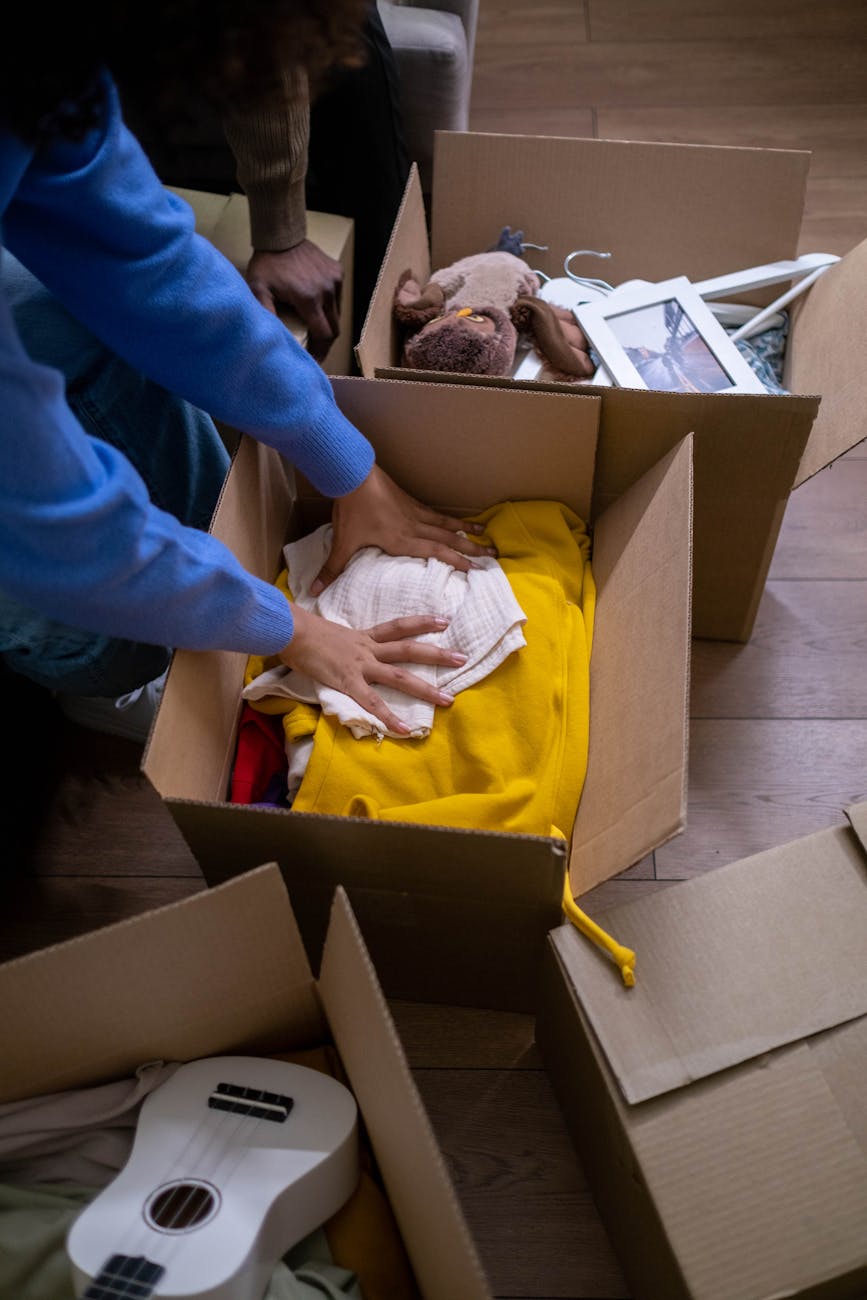
- Label Everything: Clearly label each box with its contents and the room it's destined for. This makes unpacking much simpler and helps ensure nothing gets misplaced.
- Essentials Bag: Pack a bag of essentials that you'll need on moving day and the first night in your new home. Include items like toiletries, a change of clothes, snacks, chargers, and important documents.
- Delicate Items: Be sure to pack fragile items with extra care. Use bubble wrap or newspapers and mark the boxes as fragile so that anyone handling them knows to be cautious.
3. Ask for Help
Don't hesitate to reach out for help. Family, friends, and even professional movers can provide the necessary support. If you're a part of a larger community or have close neighbours, consider organising a small moving party. Not only will it make the workload lighter, but it's also a great way to say goodbye.
4. Stay Hydrated and Fed
The physical exertion involved in moving can be draining. Keep bottled water and easy-to-eat snacks like fruit, nuts, or protein bars handy throughout the day to keep energy levels up.
Dealing with Emotions on Moving Day
It's normal to experience a rollercoaster of emotions during a move. Here's how you can manage these feelings:
- Express Yourself: Talk about your feelings with someone you trust. It could be a parent, a friend, or a counsellor. Opening up about your worries and expectations can be a great emotional outlet.
- Stay Connected: Make plans to keep in touch with old friends through social media or scheduled visits. Knowing that you can maintain old relationships can ease the transition.
- Create a Goodbye Ritual: Spend some time saying goodbye to your old home and neighborhood. It could be something simple like visiting your favourite local spots or having a farewell party.
Focusing on the Positive Aspects of Moving
Finally, try to focus on the positive aspects of moving. Consider the new opportunities, friendships, and experiences that your new environment will offer. Embrace the change as a chance to grow and learn.
Remember, it's okay to feel unsure and overwhelmed about moving. With time, you will likely find yourself adapting to and even enjoying your new surroundings.
Conclusion
Moving day can be a stressful time, but with the right preparation and mindset, it can also mark the exciting beginning of a new chapter in your life. By planning carefully, seeking help when needed, and staying connected to loved ones, you can ensure a smoother transition into your new home. And don't forget, it's perfectly normal to feel a range of emotions about the move. Acknowledge these feelings and look forward to the new opportunities ahead.
How are you feeling?
It is really important that when we need help, we feel able to ask for it. This could be speaking to a parent, a close friend, a teacher or someone else you trust. Sometimes it can be really hard to share our feelings with other people but if we are feeling low or don't know where to turn, sharing with others is really important. Teachers will always take you seriously and listen to your problems in confidence if you approach them for help. Likewise, parents, siblings or friends will help you if you reach out to them.
If you feel like you can't speak to anyone you know, there are people and organisations that can help support you:
- Childline - Call them on 0800 1111 any time of the day or night, every day of the week
- NSPCC - Call them on 0808 800 5000 between 10am and 4pm Monday to Friday or email them on help@NSPCC.org.uk
- The Samaritans – Call them on 116 123 any time of the day or night, every day of the week
- SANE – Call 0300 304 7000 for support (4:30pm - 10:30pm every day)
- Mind – Call 0300 123 3393 (9:00am - 6:00pm Monday to Friday)
*Sometimes we will use real life examples in our articles to aid understanding. When we do, names and ages will be changed.