













Let's get started...
Moving House: A Teen's Guide to Handling Lost Belongings
Moving to a new house can be an adventure, full of expectations and new opportunities. But that adventure can also come with its own set of challenges, particularly when it comes to keeping track of all your stuff. For a teenager, who might possess items of sentimental or increasing personal value, the thought of losing these during a move can be particularly stressful. Let's explore the common concerns about items being lost when moving house, the emotional impact it can have, and how to effectively handle and minimise these issues.
Understanding Why Items Get Lost During a Move
Before diving into solutions, it's crucial to understand why items often get lost when moving. The chaos and disorder that come with packing and unpacking can lead items to be misplaced, forgotten, or even accidentally thrown away. Unlabelled boxes, inadequate packing supplies, and rushed moving processes are common culprits. Additionally, the involvement of multiple parties, like family members and professional movers, increases the chances of miscommunication and mishaps.
The Impact of Lost Belongings on Teens
For teenagers, the loss of personal items can be more distressing than it might be for adults. In adolescence, certain items might hold significant emotional value as they are tied to memories, friendships, or key personal achievements, such as trophies, photos, books, or technology. Losing such items can feel like losing a piece of one's history or identity.
Moreover, moving house itself can be a source of stress, as it often involves adapting to a new environment and possibly new schools or social circles. The additional anxiety of lost belongings can significantly impact a teen's mental well-being and ability to adjust smoothly to new circumstances.
Preventative Measures Before the Move
Pack Smart
One of the best ways to ensure that belongings are secure during a move is to pack carefully. This starts with obtaining appropriate materials like sturdy boxes, strong tape, and protective padding or bubble wrap. Help your parents to properly label each box with its contents and the room it belongs in. This not only helps in organising and unpacking but also in tracking items throughout the move.
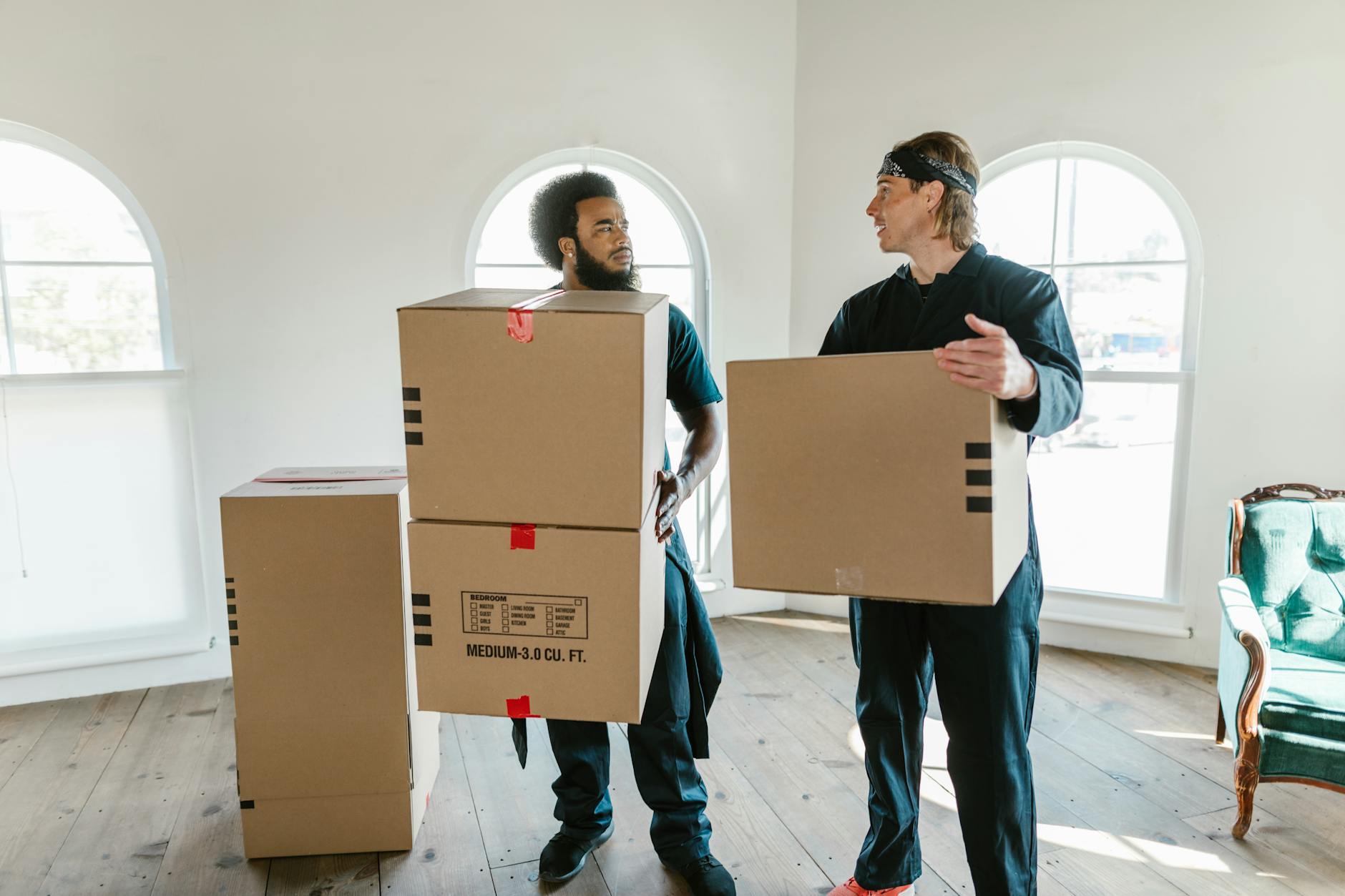
- Use clear, easy-to-read labels on all sides of the box.
- Keep an inventory list. Note down what goes into each box. This might seem tedious, but it serves as a valuable checklist when you're unpacking.
- Pack essential and valuable items separately. If possible, keep these with you during the move instead of loading them onto the moving truck.
Communicate Clearly with Movers
If your family is using a professional moving service, make sure communication is clear. Walk the movers through your home, point out items that need extra care, and discuss how particular items are handled and labelled.
- Ensure that the movers have a copy of the inventory list or are aware of the most critical boxes.
- Be present on moving day to oversee the loading process; this can also alleviate personal anxiety about the move.
Dealing with the Loss After the Move
Immediate Steps
If, despite all precautions, you notice that some items are missing, it's important to act swiftly:
- check thoroughly: Sometimes items that are thought to be lost end up hidden in incorrectly labelled boxes or other rooms. Thoroughly check all boxes and every room before concluding that something is lost.
- Notify movers: If using a moving service, contact them as soon as you notice something is missing. They might be able to locate misplaced items or, at least, offer compensation if the item is lost under their watch.
- Claim insurance: If valuable items are lost and you have moving insurance (or if your movers provide coverage), file a claim as soon as possible.
Emotional Handling
Losing personal belongings can provoke a strong emotional response. Allow yourself to feel upset about it, but also try to maintain perspective. Engage in positive activities, such as decorating your new room or exploring your new neighborhood, to create fresh, positive associations with your new living space.
Precautionary Recap
As challenging as it may seem, taking decisive, pre-emptive actions is key to preventing loss during a house move. Engage fully in the packing process, maintain a detailed inventory, communicate clearly with everyone involved, and take extra care of irreplaceable items by keeping them close to you during the transition.
Remember, the essence of your memories isn't only in physical objects but in the experiences they represent. As you grow and accumulate new memories, you'll find that resilience and adaptability are invaluable assets, particularly during life's many transitions.
How are you feeling?
It is really important that when we need help, we feel able to ask for it. This could be speaking to a parent, a close friend, a teacher or someone else you trust. Sometimes it can be really hard to share our feelings with other people but if we are feeling low or don't know where to turn, sharing with others is really important. Teachers will always take you seriously and listen to your problems in confidence if you approach them for help. Likewise, parents, siblings or friends will help you if you reach out to them.
If you feel like you can't speak to anyone you know, there are people and organisations that can help support you:
- Childline - Call them on 0800 1111 any time of the day or night, every day of the week
- NSPCC - Call them on 0808 800 5000 between 10am and 4pm Monday to Friday or email them on help@NSPCC.org.uk
- The Samaritans – Call them on 116 123 any time of the day or night, every day of the week
- SANE – Call 0300 304 7000 for support (4:30pm - 10:30pm every day)
- Mind – Call 0300 123 3393 (9:00am - 6:00pm Monday to Friday)
*Sometimes we will use real life examples in our articles to aid understanding. When we do, names and ages will be changed.