













Let's get started...
Understanding Rural Schools in the UK
While bustling city schools often grab headlines, their countryside counterparts hold their own unique charm and set of challenges. The rural school experience in the UK varies significantly from the urban school experience, largely due to differences in location, size, resources, and community involvement. So, what does schooling look like for those in quieter, more scenic parts of the country?
Background of Rural Schools
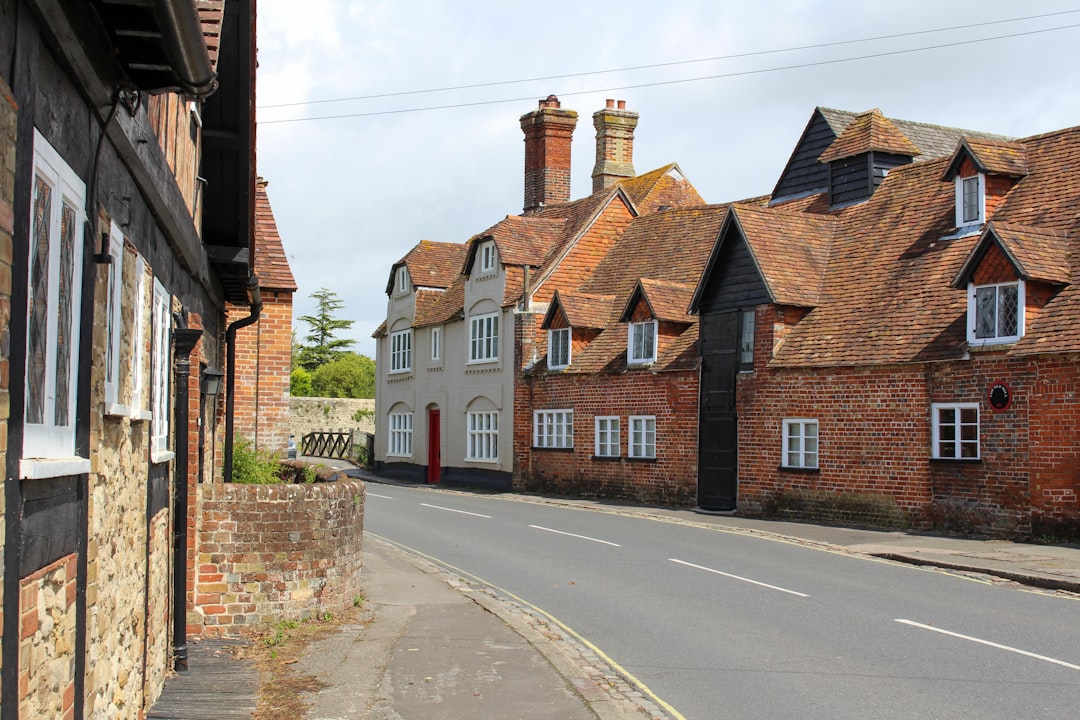
Rural schools are typically located in villages or small towns within the countryside, away from the larger metropolitan hubs. These schools tend to have smaller student populations compared to urban schools, which drastically shapes the environment and the educational experience. The intimacy of a smaller school can often lead to a strong sense of community and closer relationships between students and teachers.
However, the idyllic setting of rural schools often comes with its own set of hurdles, primarily due to their location. Reduced access to resources like specialist teachers, extracurricular activities, and advanced technology can impact the breadth of opportunities available to students. Transportation is another challenge, with some students travelling long distances to reach their school, which can impact attendance and involvement in after-school activities.
Real-life Impact on Young People Attending Rural Schools
The experience of attending a rural school can have profound impacts on a young person's education and social life. On the positive side, the small-scale nature of these schools can lead to personalised attention from teachers and a tightly-knit community where everyone knows each other. This can be incredibly beneficial for building confidence and a strong sense of belonging.
On the flipside, young people in rural schools might feel isolated due to the geographical location and the limited number of peers. This can especially be felt in terms of diversity both cultural and intellectual and exposure to a broader worldview. Moreover, the limited availability of specialised courses and extracurricular activities can sometimes hinder students from exploring their full range of interests and potentials.
Practical Strategies for Thriving in Rural Schools
Enhancing Educational Opportunities
- Leveraging Technology: Making the most out of available resources like online courses, virtual tutoring, and educational apps can help bridge the gap created by limited physical resources.
- Community Partnerships: Schools can collaborate with local businesses and organisations to provide more varied experiences, such as internships, workshops, or guest speakers, that broaden students' horizons.
Creating Social Opportunities
- Establishing Clubs or Groups: Even with smaller student populations, forming interest-based clubs or study groups can help cater to diverse interests and foster social connections.
- Engaging with Surrounding Areas: Organising events or joint activities with nearby schools can enhance social interaction and reduce feelings of isolation.
Supporting Mental Health
- Access to Counselling: Ensuring that students have access to mental health resources is crucial in fostering a supportive learning environment. This could be through in-person or online counselling services.
- Promoting Open Communication: Encouraging students to openly discuss their feelings about their rural school experience can help address any issues of isolation or lack of resources.
Conclusion
Living and studying in the countryside offers unique educational experiences and challenges. While rural schools might not boast the same facilities and breadth of courses as their urban counterparts, they cultivate a close-knit community that can play a pivotal role in a student's life. With the right strategies, the challenges of rural education can be successfully managed, allowing for a rich, fulfilling school experience that leverages the beauty and tranquillity of the countryside.
Ultimately, both urban and rural schools have distinct advantages and disadvantages. For students in rural schools, it becomes essential to adapt to the available resources and seek out opportunities that align with their academic and personal growth goals. By focusing on the benefits and finding creative solutions to the limitations, students can have a rewarding school experience that prepares them well for the future.
How are you feeling?
It is really important that when we need help, we feel able to ask for it. This could be speaking to a parent, a close friend, a teacher or someone else you trust. Sometimes it can be really hard to share our feelings with other people but if we are feeling low or don't know where to turn, sharing with others is really important. Teachers will always take you seriously and listen to your problems in confidence if you approach them for help. Likewise, parents, siblings or friends will help you if you reach out to them.
If you feel like you can't speak to anyone you know, there are people and organisations that can help support you:
- Childline - Call them on 0800 1111 any time of the day or night, every day of the week
- NSPCC - Call them on 0808 800 5000 between 10am and 4pm Monday to Friday or email them on help@NSPCC.org.uk
- The Samaritans – Call them on 116 123 any time of the day or night, every day of the week
- SANE – Call 0300 304 7000 for support (4:30pm - 10:30pm every day)
- Mind – Call 0300 123 3393 (9:00am - 6:00pm Monday to Friday)
*Sometimes we will use real life examples in our articles to aid understanding. When we do, names and ages will be changed.