

















Let's get started...
Unpacking the Tranquillity of Countryside Living
When it comes to living in the countryside, one of the most commonly cited perks is the peace and quiet it offers compared to the bustling city life. But just how quiet is countryside living, and what does it really feel like to grow up in such a serene environment? Let's delve into the rural silence, exploring the background of this quieter lifestyle, and how it actually impacts young residents.Background of Countryside Quietness
The countryside often conjures up idyllic images of rolling fields, meandering rivers, and gentle wildlife. The reason for this tranquillity is mainly due to lower population densities, fewer cars, and the general absence of urban noise like sirens, public transport, and large crowds. Unlike cities where buildings and pavements often amplify sounds, the natural landscapes in rural areas absorb noises, which significantly reduces background sound levels.Real-Life Impact of Quiet Countryside on Teens
For teenagers, this quiet environment can have varied implications for their development and daily life:- Enhanced Concentration: Fewer distractions from noise mean you're likely to find it easier to focus on tasks like homework, reading, and personal projects. This can lead to better performance in school and other intellectual pursuits.
- Stress Reduction: Numerous studies have linked noise pollution to increased stress levels. The natural quiet of the countryside can help in maintaining mental health and reducing the effects of stress and anxiety.
- Limited Social Opportunities: While the quiet is beneficial in many ways, it can also mean fewer social events and gatherings, which might feel isolating if you're used to a more bustling environment.
- Greater Appreciation for Nature: Living in a quiet, rural area often brings you closer to nature. This can foster a deep appreciation for the environment and wildlife, shaping personal values and hobbies.
Practical Strategies for Countryside Living
Living in a quiet rural area requires adapting to what might initially feel like limitations. Here are some practical strategies to help you thrive in the countryside: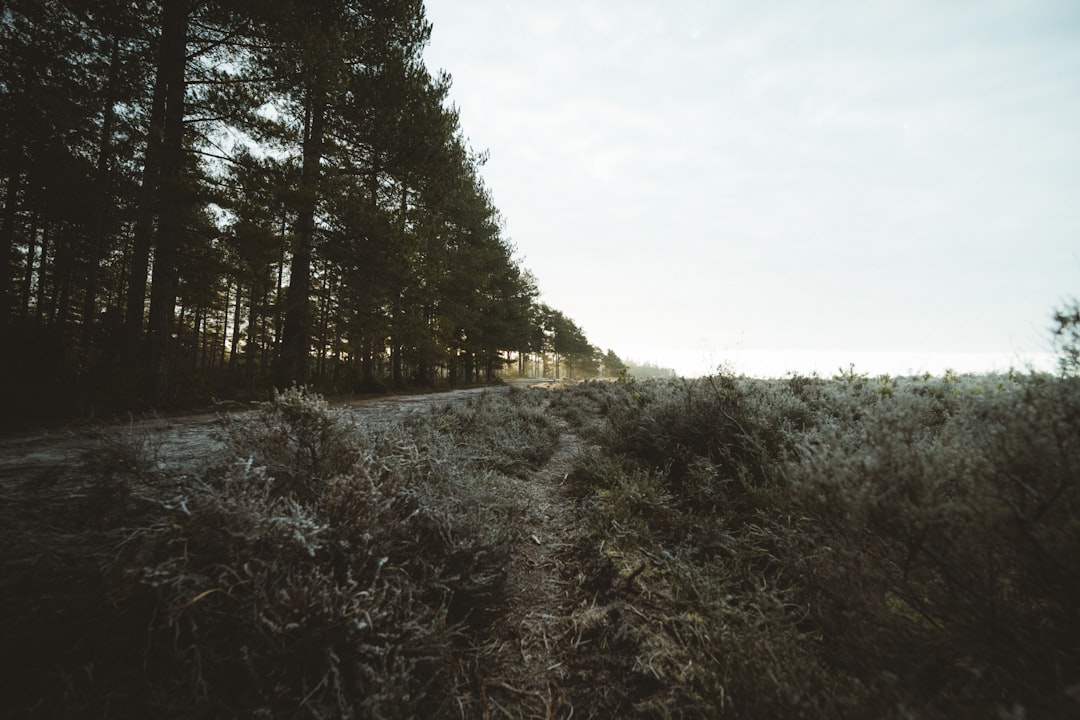
- Engage in Outdoor Activities: Take advantage of the open spaces to engage in activities like hiking, cycling, or horseback riding. These activities not only fill your time with enjoyment but also keep you physically fit.
- Explore Online socialising: To combat feelings of isolation, maintain relationships through digital platforms. Join online communities that match your interests to meet new friends and stay connected with peers from school or previous neighbourhoods.
- Embrace the Quiet: Use the natural peace to engage in mindfulness or meditative practices. This can enhance your mental wellbeing and help you deal better with any stressors that arise in your everyday life.
- Create: With fewer distractions and a peaceful environment, the countryside is ideal for creative pursuits. Whether it's writing, drawing, music, or crafts, use the serenity to fuel your creativity.
Conclusion
Life in the countryside can indeed be very quiet, but it's also filled with unique opportunities that urban areas might lack. This tranquillity provides a backdrop for better focus, reduced stress, increased privacy, and a stronger connection with nature all of which can significantly enhance one's quality of life, especially during the formative teenage years. However, it's essential to find a balance that allows you to enjoy the quiet without feeling isolated. By exploring new hobbies, staying connected digitally, and using the serenity creatively, living in the countryside can become a fulfilling, enriching experience that might just outweigh the bustling city life for some.How are you feeling?
It is really important that when we need help, we feel able to ask for it. This could be speaking to a parent, a close friend, a teacher or someone else you trust. Sometimes it can be really hard to share our feelings with other people but if we are feeling low or don't know where to turn, sharing with others is really important. Teachers will always take you seriously and listen to your problems in confidence if you approach them for help. Likewise, parents, siblings or friends will help you if you reach out to them.
If you feel like you can't speak to anyone you know, there are people and organisations that can help support you:
- Childline - Call them on 0800 1111 any time of the day or night, every day of the week
- NSPCC - Call them on 0808 800 5000 between 10am and 4pm Monday to Friday or email them on help@NSPCC.org.uk
- The Samaritans – Call them on 116 123 any time of the day or night, every day of the week
- SANE – Call 0300 304 7000 for support (4:30pm - 10:30pm every day)
- Mind – Call 0300 123 3393 (9:00am - 6:00pm Monday to Friday)
*Sometimes we will use real life examples in our articles to aid understanding. When we do, names and ages will be changed.
