













Let's get started...
Understanding Urban Safety: Is It Safe to Walk Around a City?
When considering urban environments, safety is a primary concern for residents and visitors alike. Cities are dynamic places with a lot happening at any given time, and navigating them safely requires awareness and preparation. As a teenager, understanding what factors contribute to urban safety and how to protect yourself while walking in a city is crucial for your confidence and wellbeing.
What Makes a City Safe or Unsafe?
Several factors determine the safety of a city area, including crime rates, the presence of law enforcement, lighting, and community engagement. Well-lit streets, active neighborhood watch groups, and high police visibility typically denote safer areas. Conversely, poorly lit areas with high crime rates and visible signs of neglect can be riskier to navigate.
Real-life Impact of City Safety on Teenagers
For teenagers, city safety is particularly relevant. Whether it's travelling to and from school, visiting friends, or attending events, a significant part of your social and educational life is influenced by your ability to get around safely. Feeling unsafe can lead to increased anxiety and restriction of activities, potentially limiting experiences and personal growth during these formative years.
Practical Strategies for Safe Urban Navigation
While cities can pose potential risks, there are many strategies that you can employ to ensure your safety while walking around an urban environment:
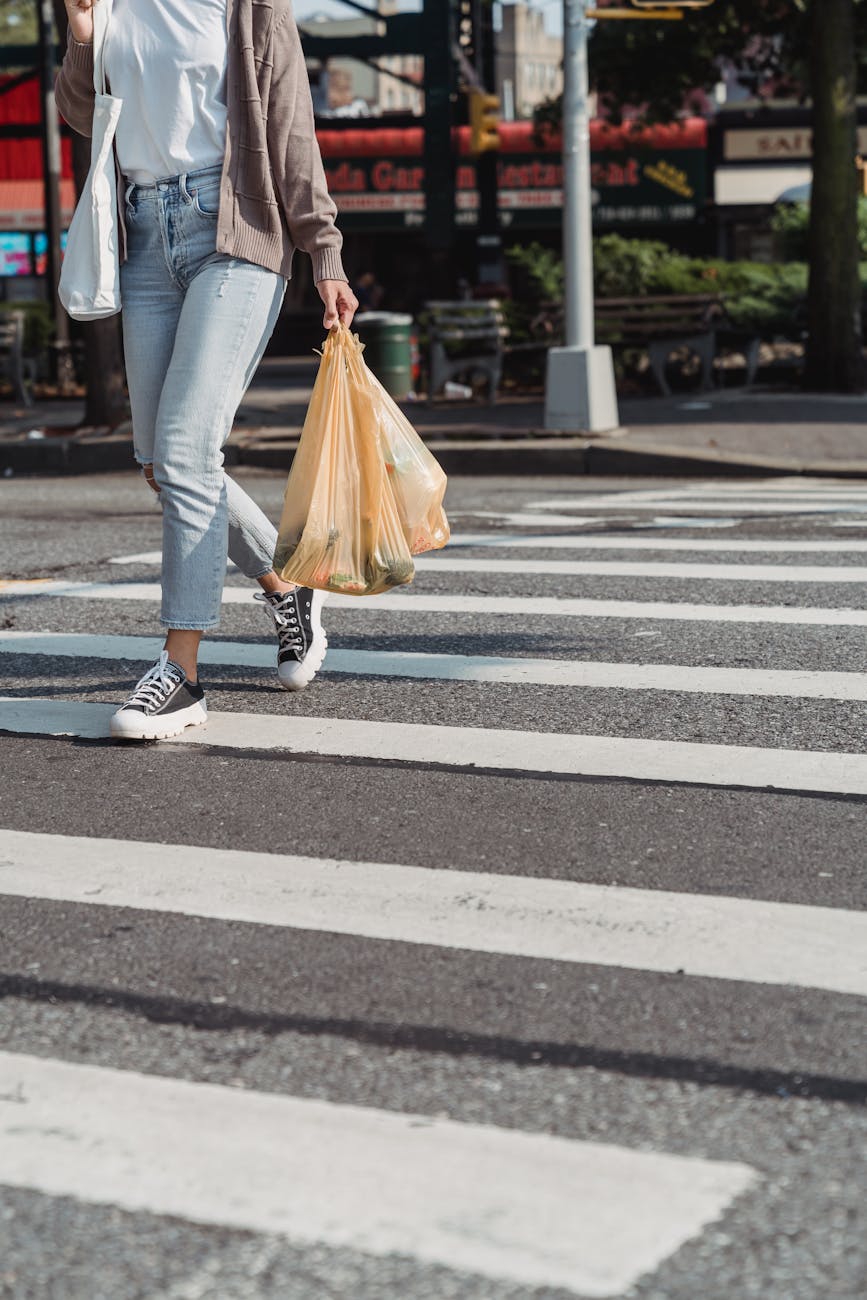
- Stay Aware of Your Surroundings: Always be alert and aware of what's happening around you. Avoid distractions like your smartphone or headphones in risky areas.
- Plan Your Route: Knowing where you're going is essential. Use apps to plan your route and try to stay on well-travelled, well-lit paths, especially at night.
- Use Safety Apps: Several apps are designed to enhance personal safety. Apps like Circle of 6 or bSafe allow you to send your location to trusted contacts and alert them if you feel unsafe.
- Travel in Groups: There's safety in numbers. Whenever possible, walk with friends or in groups, particularly during the evening or in less busy areas.
- check Public Transport Times: If you are using public transportation, check the schedules to avoid long waits, particularly late at night.
- Stay in Well-lit Areas: Darkness can increase the risk of problems. Stay on streets with good lighting and visible pedestrian activity.
- Trust Your Instincts: If something doesn't feel right, trust your gut. Don't be afraid to leave an area or seek help if you feel uncomfortable.
Keep Emergency Contacts Handy
Always have your phone charged and ready with important contacts listed as favourites, including a parent or guardian, a close friend, and emergency services. Simple precautions like these can make a significant difference in your personal safety.
Engage with Community and Technology
Community engagement and modern technology can also contribute significantly to personal safety. Participate in or start community safety programs at school or in your neighborhood. These programs not only improve safety but also enhance the community spirit, making spaces safer for everyone.
Understanding and Responding to Emergencies
In case you find yourself in a potentially dangerous situation, it's important to know how to respond. If you're threatened or attacked, the priority is to escape to safety and call for help. Shout for attention and run towards populated areas. Sometimes, non-confrontational responses can deescalate a situation. It's essential to assess quickly and react in a way that maximises your safety.
Leverage Learning Resources
To further boost your city safety smarts, consider taking self-defence classes or attending safety workshops. Many community centres and schools offer programs that can prepare you for unforeseen situations, helping you feel more secure when navigating urban settings.
Conclusion: While there's no guaranteed way to ensure safety at all times, employing the right strategies can significantly reduce risks and boost your confidence in urban settings. By staying aware, prepared, and engaged with community resources, you can navigate cities with greater assurance and safety.
How are you feeling?
It is really important that when we need help, we feel able to ask for it. This could be speaking to a parent, a close friend, a teacher or someone else you trust. Sometimes it can be really hard to share our feelings with other people but if we are feeling low or don't know where to turn, sharing with others is really important. Teachers will always take you seriously and listen to your problems in confidence if you approach them for help. Likewise, parents, siblings or friends will help you if you reach out to them.
If you feel like you can't speak to anyone you know, there are people and organisations that can help support you:
- Childline - Call them on 0800 1111 any time of the day or night, every day of the week
- NSPCC - Call them on 0808 800 5000 between 10am and 4pm Monday to Friday or email them on help@NSPCC.org.uk
- The Samaritans – Call them on 116 123 any time of the day or night, every day of the week
- SANE – Call 0300 304 7000 for support (4:30pm - 10:30pm every day)
- Mind – Call 0300 123 3393 (9:00am - 6:00pm Monday to Friday)
*Sometimes we will use real life examples in our articles to aid understanding. When we do, names and ages will be changed.