













Let's get started...
Understanding Urban Transportation: A Guide for Teens
Navigating a big city can seem daunting, especially if you're new to the urban jungle. Big cities offer various transportation options, each with its own set of advantages and challenges. From underground trains to cycling through city streets, understanding the ins and outs of urban transportation is crucial for any teen living in or visiting a metropolis.The Basics of Big City Transportation
Big cities around the world, from London to Tokyo, provide comprehensive public transport systems. These typically include buses, trains, subways, and sometimes trams and ferries. The backbone of most big city transport networks is often the underground or subway system. It's fast, relatively affordable, and immune to the street-level traffic that can clog up a city's roadways during peak hours. Buses complement these networks, reaching areas that are less accessible by train or subway. In London, for example, the iconic red double-decker buses are not just a tourist attraction but also a vital part of the city's public transportation system, filling the gaps left by the Tube.Going Beyond Public Transport
However, public transport is not the only way to get around. Cycling has become increasingly popular in urban areas, supported by the development of dedicated bike lanes and bike-sharing schemes. Cities like Amsterdam and Copenhagen are renowned for their bike-friendly infrastructure, making bicycles a viable and popular way to commute. Walking is another viable option, particularly in densely packed areas where everything you need might be within a short distance. It's not only free but also a great way to get some exercise and become familiar with the city's atmosphere and details that might be missed when using faster modes of transport. Ridesharing apps like Uber or Lyft offer another layer of convenience, allowing you to travel at your own schedule without the need to navigate the sometimes complex routes of public transport. Although this can be more expensive, it's useful for late-night travel or when you're carrying heavy loads.Navigational Tips and Efficient Planning
When traversing a big city, knowing how to efficiently use a map digital or otherwise is invaluable. Apps like Google Maps or Citymapper offer real-time information on the go, presenting various routes and modes of transport you can take to reach your destination, as well as estimated travel times. If relying on public transportation, it's wise to familiarise yourself with the transit system's schedule and any travelling cards or apps that can simplify the payment process. Cities like London have contactless payment systems, where you can use a bank card or mobile payment on buses and trains, making travel smoother and quicker.The Impact on Teens
For teenagers, mastering the city's transport options fosters greater independence. Being able to move around freely and safely is crucial during your teenage years when you start exploring, socialising, and perhaps even working or studying far from home. Efficient travel can significantly cut down your commuting time, leaving more room for study, leisure, and rest. However, the complexity and occasional unpredictability of city transport systems can also be a source of stress. Delays, cancellations, or overcrowding, especially during peak hours, can affect your daily life. Learning how to navigate these challenges effectively is part of becoming city-savvy.Smart Transportation Strategies for Teens
Here are some practical tips to manage city commuting more efficiently: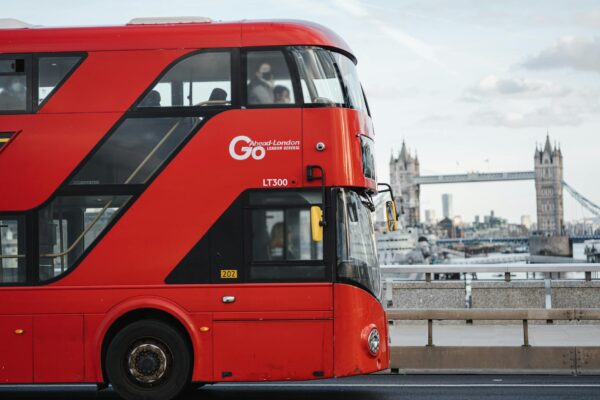
- Plan Ahead: Always check your travel routes and schedules in advance, especially if you have a time-sensitive appointment.
- Stay Informed: Use apps and follow local transit authorities on social media for real-time updates on delays, repairs, or service changes.
- Alternative Paths: Have a backup plan in case of disruptions. Knowing alternative routes and options can save you a lot of stress.
- Off-Peak Travel: If possible, travel during off-peak hours to avoid crowds and save on fares with off-peak discounts.
- Safety First: Always be aware of your surroundings, especially when travelling late at night or in less familiar areas.
Conclusion
Getting around in a big city involves using a mixture of transportation methods based on convenience, cost, and timing. Whether opting for public transport, cycling, walking, or using rideshares, understanding and navigating city transport can provide you with autonomy and a brighter social and educational life. Exploring the city not only builds your independence but also lets you enjoy the rich experiences urban environments have to offer.How are you feeling?
It is really important that when we need help, we feel able to ask for it. This could be speaking to a parent, a close friend, a teacher or someone else you trust. Sometimes it can be really hard to share our feelings with other people but if we are feeling low or don't know where to turn, sharing with others is really important. Teachers will always take you seriously and listen to your problems in confidence if you approach them for help. Likewise, parents, siblings or friends will help you if you reach out to them.
If you feel like you can't speak to anyone you know, there are people and organisations that can help support you:
- Childline - Call them on 0800 1111 any time of the day or night, every day of the week
- NSPCC - Call them on 0808 800 5000 between 10am and 4pm Monday to Friday or email them on help@NSPCC.org.uk
- The Samaritans – Call them on 116 123 any time of the day or night, every day of the week
- SANE – Call 0300 304 7000 for support (4:30pm - 10:30pm every day)
- Mind – Call 0300 123 3393 (9:00am - 6:00pm Monday to Friday)
*Sometimes we will use real life examples in our articles to aid understanding. When we do, names and ages will be changed.