
Let's get started...
City living can be exhilarating and dynamic, but also hectic and overwhelming. With the constant buzz of activity, relentless noise, and near-constant stimulation, finding ways to unwind and relax becomes not just a pleasure, but a crucial aspect of maintaining one's mental and physical health. Especially for young people navigating the complexities of teenage years, discovering effective relaxation techniques can enhance well-being and overall quality of life.
The Importance of Relaxation in a City Environment
In urban environments, the sheer density of the population, the pace of life, and environmental factors like pollution and limited green spaces can significantly affect stress levels. For teenagers, this is compounded by academic pressures, social dynamics, and a growing sense of self that is constantly being influenced by both offline and online worlds. These stressors can make cities feel like pressure cookers without a release valve, the pressure can become unbearable.
Relaxation isn't just about 'feeling good'; it's an essential part of managing stress, preserving mental health, and maintaining physical health. Techniques and activities that promote relaxation can help manage anxiety, enhance mood, improve concentration, and boost overall health.
Effective Strategies for Relaxing in the City
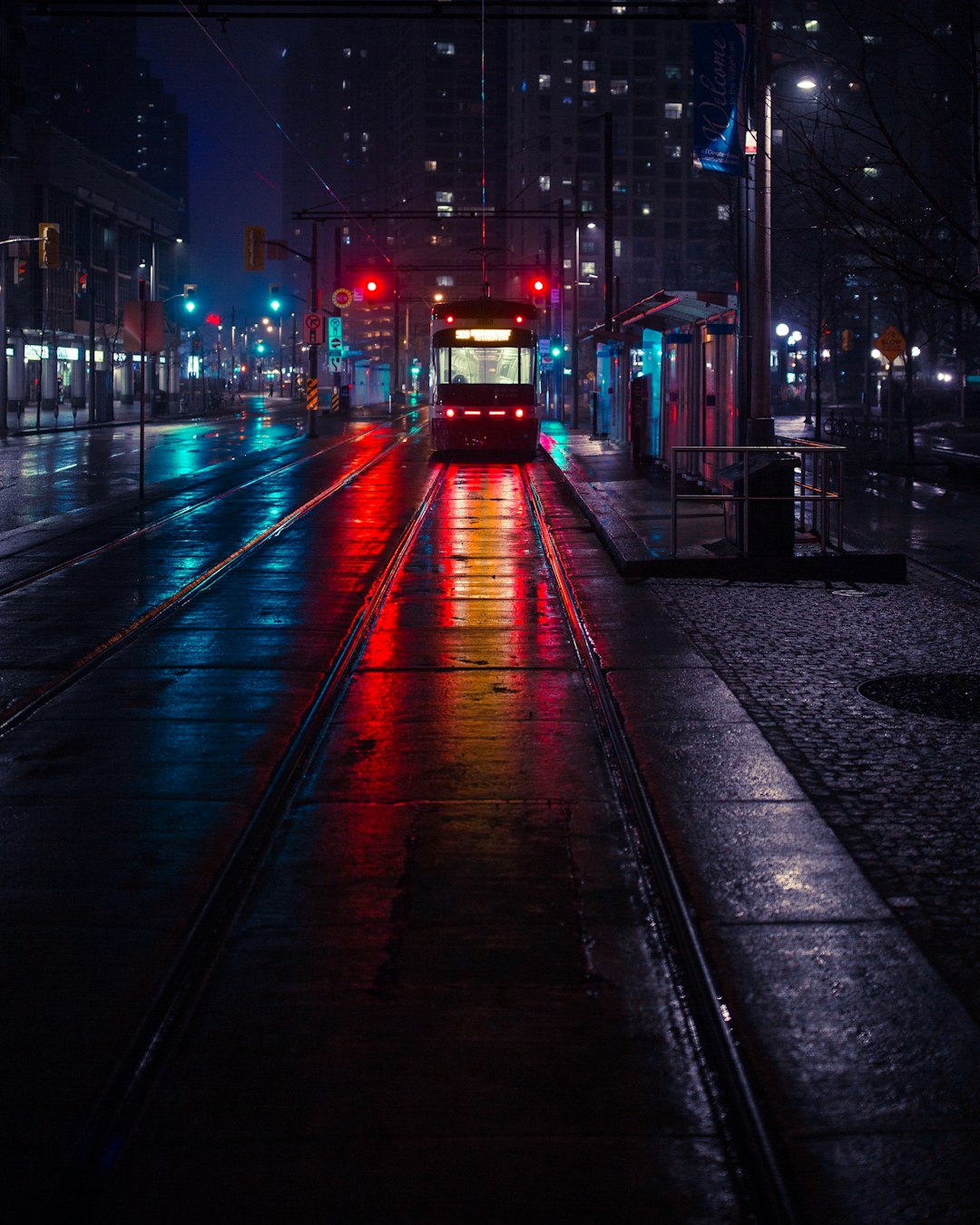
1. Explore Green Spaces
One of the most direct ways for city-dwellers to relax is to connect with nature by spending time in parks or gardens. Cities often boast a number of these green oases, and they provide a peaceful retreat from the urban grind. For instance, activities like reading under a tree, picnicking, or simply walking through these areas can significantly reduce stress levels.
2. Engage in Physical Activities
Exercise is a powerful stress reliever. Whether it's joining a local sports team, attending group fitness classes, or even taking part in dance sessions, moving your body releases endorphins which are natural mood lifters. Even in the tight confines of a city, options like yoga in the park, city-run sports leagues, and public swimming pools are accessible ways to stay active and unwind.
3. Take Advantage of Cultural Activities
Cities are cultural hotspots, offering museums, galleries, theatres, and concert venues. Engaging with art and culture can be incredibly soothing and enriching. Many institutions also offer special rates or free entry for teenagers or on certain days, making them accessible ways to enjoy and relax.
4. practise Mindfulness and Meditation
Meditation and mindfulness are becoming increasingly popular as tools for managing stress and enhancing personal well-being. Many cities offer courses or group sessions in meditation, but you can also practise on your own in any quiet corner. Using apps dedicated to meditation can help guide you through the process.
5. Explore Hobby and Learning Workshops
Many community centres and libraries in cities offer workshops where you can pick up new skills like pottery, painting, or coding. Engaging in hobbies not only diverts the mind from everyday pressures but also enhances feelings of achievement and satisfaction.
6. Volunteer
Doing volunteer work can also be a great way to relax and feel connected to your community. Whether it's helping out at an animal shelter, working in a community garden, or assisting in local charity events, helping others gives a sense of purpose and fulfilment that can combat stress and anxiety.
7. Digital Detox
In our connected world, constantly checking notifications and social media updates can add to stress. Occasionally disconnecting or setting specific times when you're offline can help you unwind and focus more on your direct environment and personal interactions.
8. Simple Pleasures: Cafes and People Watching
Sometimes, relaxation can be as simple as sitting in a caf, sipping a favourite drink, and observing the city life around you. This passive engagement allows for a type of mindfulness that is both engaging and calming.
Conclusion
Finding time to relax in the city may require a bit of creativity, but it's essential for maintaining balance and well-being. By incorporating activities such as exploring green spaces, engaging in physical activities, and nurturing personal interests, city-dwelling teenagers can effectively manage stress. Remember, relaxation is not a luxury; it's a vital part of living a healthy, happy life at any age.
How are you feeling?
It is really important that when we need help, we feel able to ask for it. This could be speaking to a parent, a close friend, a teacher or someone else you trust. Sometimes it can be really hard to share our feelings with other people but if we are feeling low or don't know where to turn, sharing with others is really important. Teachers will always take you seriously and listen to your problems in confidence if you approach them for help. Likewise, parents, siblings or friends will help you if you reach out to them.
If you feel like you can't speak to anyone you know, there are people and organisations that can help support you:
- Childline - Call them on 0800 1111 any time of the day or night, every day of the week
- NSPCC - Call them on 0808 800 5000 between 10am and 4pm Monday to Friday or email them on help@NSPCC.org.uk
- The Samaritans – Call them on 116 123 any time of the day or night, every day of the week
- SANE – Call 0300 304 7000 for support (4:30pm - 10:30pm every day)
- Mind – Call 0300 123 3393 (9:00am - 6:00pm Monday to Friday)
*Sometimes we will use real life examples in our articles to aid understanding. When we do, names and ages will be changed.