













Let's get started...
Packing Up: Your Role in Moving House
Moving house is a monumental task often equivalent to a large-scale organisational project. For teenagers, it can represent both an exciting change and a daunting challenge. The process not only involves physical movement from one place to another but also the emotional implications of leaving behind familiar settings and perhaps even friends. Therefore, understanding how you can contribute to this transition can make the process smoother and more positive for everyone involved.
Understanding Your Involvement
Firstly, let's talk about why your involvement is crucial. Moving house isn't just an adult's job. In fact, everyone in the family can contribute in some ways, and your input can significantly ease the workload. By helping with packing, you're not just moving boxes; you're actively participating in a major family event, gaining valuable life skills, and even making the emotional transition easier for yourself by engaging directly with the change.
Moreover, being involved in the packing process can give you a sense of control during the move. Changes, especially major ones like moving to a new place, can often make us feel powerless. Contributing practically helps counter those feelings by letting you make some decisions and influence the process.
Strategies for Effective Packing
Now that you know why your involvement is important, here are some practical strategies on how you can effectively assist with the packing:
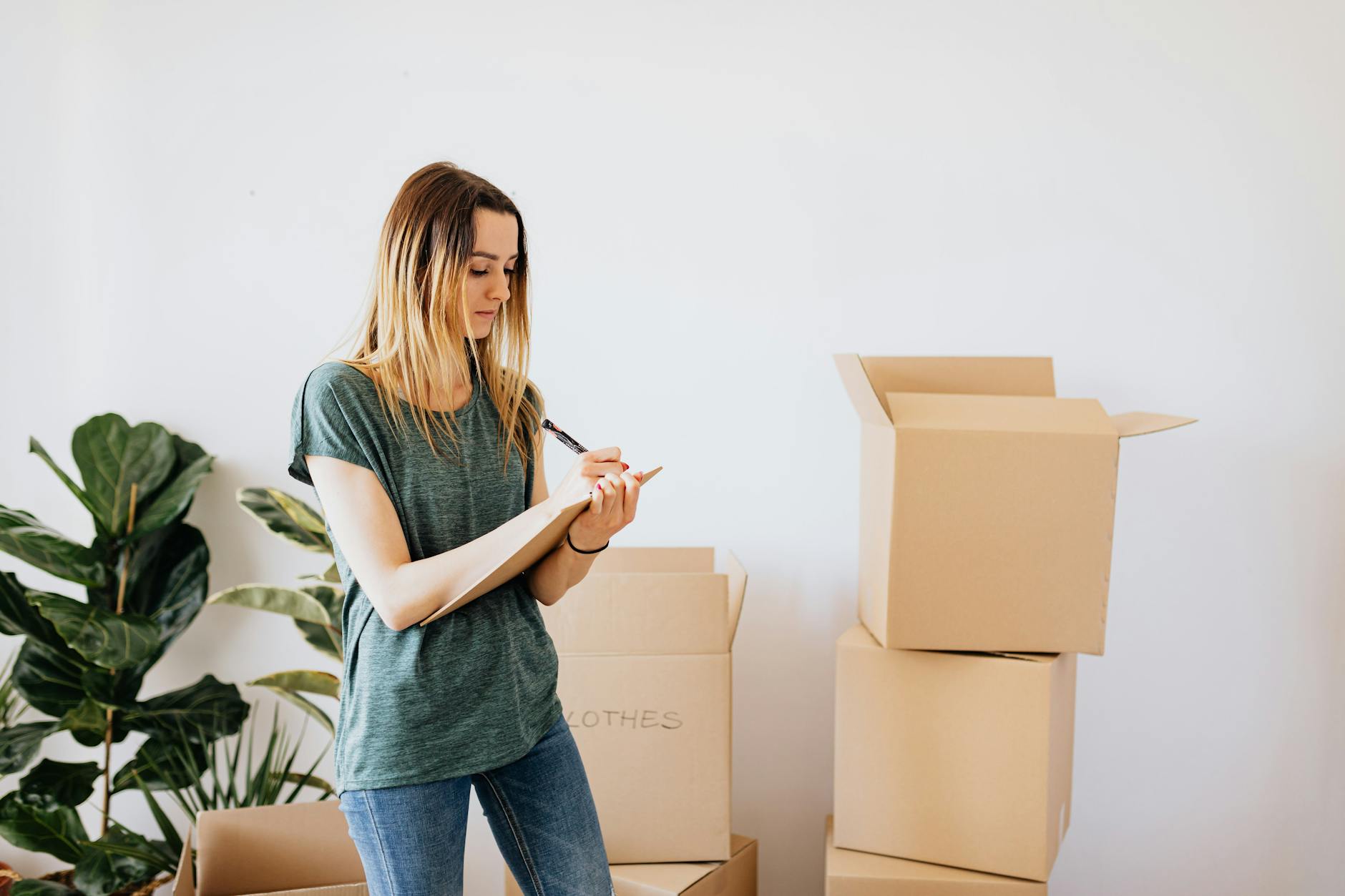
- Start by decluttering: Before you even begin placing items in boxes, it's a great time to declutter. Go through your belongings and decide what you want to keep, what to donate, and what to throw away. This not only reduces the load but also ensures you're only bringing things you really need or love to your new home.
- Use a packing checklist: Creating a checklist can help you organise and track your progress. List out all items you need to pack from your room and other areas of the house you're responsible for. Ticking off items as you pack them gives you a visible record of your accomplishments.
- Gather materials: Make sure you have enough boxes, tape, bubble wrap, and markers. You might think stacking everything into any box you find is enough, but properly packing your belongings in the right-sized boxes and wrapping delicate items can prevent damage during the move.
- Label everything: Clearly label each box with its contents and the room it belongs in. This makes unpacking much easier and helps keep track of your stuff during the move. Consider adding fragile' or this way up' labels where necessary.
- Set aside a personal essentials bag: Pack an overnight bag that includes all your essentials such as your toiletries, a change of clothes, your charger, and any other frequently needed items. This means you won't have to rummage through boxes on your first night to find your toothbrush or pajamas.
- Secure personal documents: Important documents such as your passport, school records, and personal identification should be kept in a safe place. You might carry these with you personally instead of packing them away with other less important items.
- Help with the family's effort: Besides packing your own belongings, help out in communal areas like the living room or kitchen. Packing shared spaces not only increases your contribution but also helps you bond with family members over shared tasks and decisions.
Emotional Preparedness for Moving
While the physical aspects of moving are palpable, the emotional side can sometimes be more challenging. Saying goodbye to a familiar place, possibly changing schools, and leaving friends can be tough. Here's how you can emotionally prepare yourself:
- Stay connected: Make plans to keep in touch with friends. Thanks to technology, staying connected is easier than ever. Set up chat groups, share new addresses, and maybe even plan future visits.
- Get involved in your new community: Once you move, try to join clubs or groups that align with your interests. This can be a good way to make new friends and feel more at home in your new environment.
- Create a personal space: Set up your new room as soon as possible. Having a space that feels like yours' can greatly help in adjusting to a new environment.
Conclusion
Your involvement in the moving process is more than just helpful; it's essential. It reduces the physical and emotional burden on your parents, teaches you valuable organisational skills, and prepares you for future life transitions. So, embrace the opportunity to learn and grow, and consider it part of your journey into adulthood. You might just find that playing a significant role in this chapter of your family's life is rewarding in ways you hadn't anticipated.
How are you feeling?
It is really important that when we need help, we feel able to ask for it. This could be speaking to a parent, a close friend, a teacher or someone else you trust. Sometimes it can be really hard to share our feelings with other people but if we are feeling low or don't know where to turn, sharing with others is really important. Teachers will always take you seriously and listen to your problems in confidence if you approach them for help. Likewise, parents, siblings or friends will help you if you reach out to them.
If you feel like you can't speak to anyone you know, there are people and organisations that can help support you:
- Childline - Call them on 0800 1111 any time of the day or night, every day of the week
- NSPCC - Call them on 0808 800 5000 between 10am and 4pm Monday to Friday or email them on help@NSPCC.org.uk
- The Samaritans – Call them on 116 123 any time of the day or night, every day of the week
- SANE – Call 0300 304 7000 for support (4:30pm - 10:30pm every day)
- Mind – Call 0300 123 3393 (9:00am - 6:00pm Monday to Friday)
*Sometimes we will use real life examples in our articles to aid understanding. When we do, names and ages will be changed.