

















Let's get started...
Exploring Life in the Countryside: A Different Pace and Style
Living in the countryside is often romanticised with images of picturesque scenery, sprawling landscapes, and a tight-knit community vibe. However, the rural living experience extends beyond these idyllic visuals and affects daily life in distinctive ways. Whether it's the tranquillity, the distance from urban hubs, or a closer connection to nature, countryside living indeed offers a unique lifestyle. Let's delve into how these differences shape the lives of its residents, particularly young people.The Rural Environment: Scenery, Space, and Serenity
A key feature of countryside living is the environment itself. Unlike urban areas where buildings dominate skylines, rural areas offer expansive natural landscapes. Fields, forests, and rivers are typical sights, providing a sense of openness and freedom not easily found in cities. This connection with nature doesn't just make for beautiful views but plays a significant role in everyday activities. For teenagers growing up in these settings, this can mean more outdoor activities like hiking, fishing, or farming. The natural surroundings encourage a lifestyle that's inherently more physically active and linked closely with the environment.Community and Social Life in the Countryside
The social dynamics in rural areas are often markedly different from those in cities. With smaller populations, communities in the countryside tend to be more close-knit. Everyone tends to know everyone, which can be beneficial as this promotes a sense of belonging and security. However, for teenagers, this can have a flip side as well less privacy and a feeling of always being in the 'public eye'. socialising opportunities might also be fewer and more far-flung. Unlike cities with their plethora of cafes, malls, and entertainment centres, rural areas may not offer such variety. Young people might find social activities are more centred around community events, school, or outdoor pursuits.Education and Opportunities
Schooling in rural areas can differ substantially from education in cities. While countryside schools often boast smaller class sizes offering more personalised attention, they might lack some of the resources and extracurricular options that urban schools have. Access to advanced coursework, specialised clubs, or facilities might be limited, which can be a drawback for students wishing to explore diverse interests. Furthermore, career and higher education opportunities can also be more sparse in the countryside. This might require young people to travel or relocate to larger towns and cities, which brings its own set of challenges and adaptations.Transport and Accessibility
Connectivity is another aspect where rural life differs significantly from urban life. Public transport options can be limited, with services being less frequent and covering fewer routes. For teenagers, this means that getting around can be a challenge unless they have access to a car, which is not always feasible. This lack of independence in mobility can be frustrating and is something rural youths have to navigate differently compared to their urban counterparts.Dealing Strategically With Rural Challenges
Living in the countryside does present unique challenges, especially for young people, but there are ways to mitigate these effectively: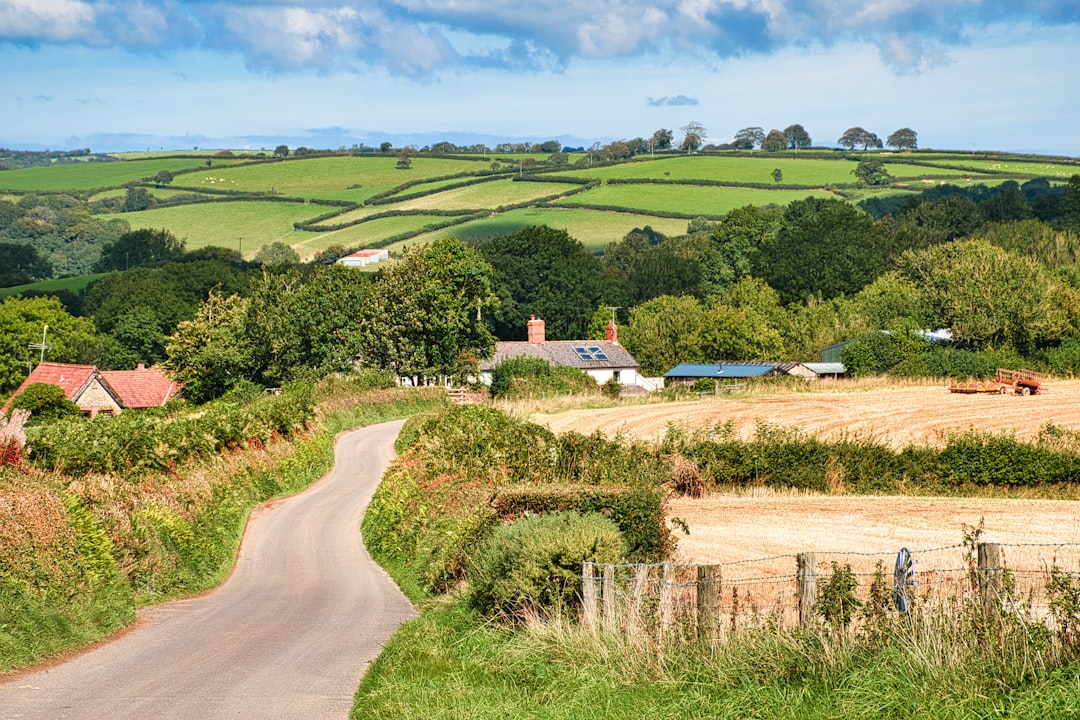
- Embrace the positives: Focus on the benefits of rural living such as the close community, the connection with nature, and the quiet, peaceful environment. Engaging in outdoor activities can also enhance your physical health and mental well-being.
- Expand your social network: Utilise online platforms to connect with people and join groups that share similar interests. This can help overcome the feelings of isolation if you're struggling with limited socialising options locally.
- Seek additional resources: For education, look for online courses or resources that can complement your learning. This can be particularly helpful if local schools lack certain facilities or courses.
- Plan for the future: Consider the logistics of future education or career aspirations early. This might involve planning for travel or relocation in pursuit of higher education or employment opportunities.
- Leverage local opportunities: Engage with community projects or local job opportunities that can provide valuable experiences and enhance your CV.
Conclusion
Living in the countryside offers a distinctive lifestyle that shapes everyday experiences differently compared to urban living. While it comes with its set of challenges, particularly for teenagers, it also provides unique opportunities and advantages. By embracing these differences and strategically addressing the challenges, young people can enjoy a fulfilling and enriching life in rural settings.How are you feeling?
It is really important that when we need help, we feel able to ask for it. This could be speaking to a parent, a close friend, a teacher or someone else you trust. Sometimes it can be really hard to share our feelings with other people but if we are feeling low or don't know where to turn, sharing with others is really important. Teachers will always take you seriously and listen to your problems in confidence if you approach them for help. Likewise, parents, siblings or friends will help you if you reach out to them.
If you feel like you can't speak to anyone you know, there are people and organisations that can help support you:
- Childline - Call them on 0800 1111 any time of the day or night, every day of the week
- NSPCC - Call them on 0808 800 5000 between 10am and 4pm Monday to Friday or email them on help@NSPCC.org.uk
- The Samaritans – Call them on 116 123 any time of the day or night, every day of the week
- SANE – Call 0300 304 7000 for support (4:30pm - 10:30pm every day)
- Mind – Call 0300 123 3393 (9:00am - 6:00pm Monday to Friday)
*Sometimes we will use real life examples in our articles to aid understanding. When we do, names and ages will be changed.
