













Let's get started...
Ever wondered if moving to the countryside means you'll have to give up your speedy Wi-Fi and settle for dodgy internet that takes ages to load a single meme? It's a real concern, especially since the internet is a crucial part of our lives today, from studying and streaming videos to gaming and staying connected with friends. Let's dive deep into whether you can still enjoy good internet even if you're surrounded by nature, and not just buildings.
Understanding Rural Internet Options
Traditionally, rural areas in the UK have had less access to high-speed broadband services compared to urban locations. This is mainly because internet providers prioritise areas with higher populations where their investments bring in more returns, leaving countryside dwellers with fewer options.
However, the landscape of rural internet has been changing thanks to both technological advancements and government initiatives aimed at closing the digital divide. Here are some common types of internet connections available in rural UK:
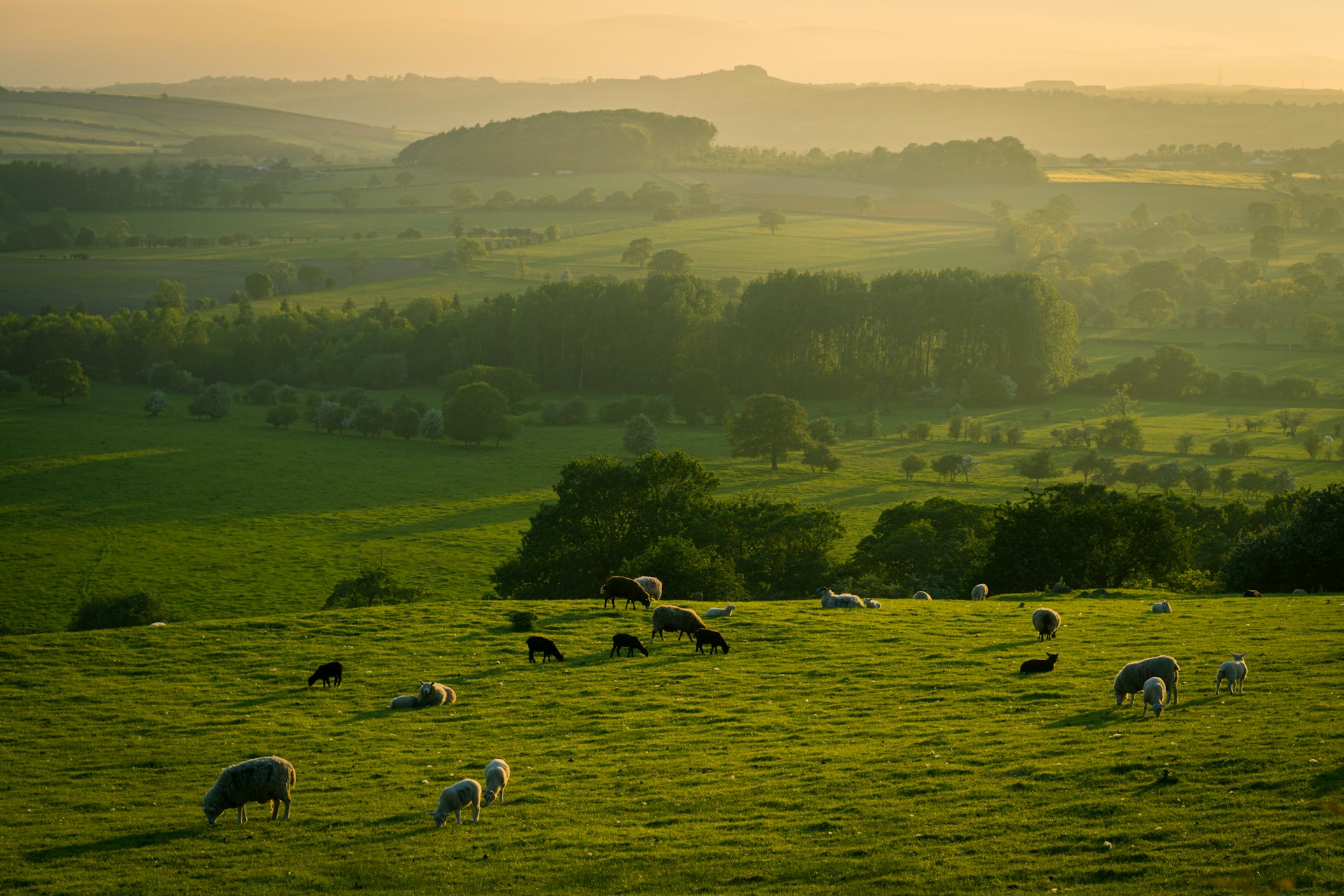
- ADSL Broadband: Uses existing phone lines to provide internet. This is widely available but the speed can significantly drop if you're far from the exchange.
- Fibre Broadband: Offers faster speeds and more reliability but hasn't reached all rural areas yet.
- Mobile Broadband: Uses mobile networks. It's a good alternative where mobile signal strength is strong.
- Satellite Broadband: Independent of ground-based infrastructure, satellite broadband can be accessed virtually anywhere, but it can be costly and slightly slower due to the high latency.
The Impact on a Young Person
As a teenager, your internet needs might range from researching schoolwork, watching your favourite Youtubers, to maintaining your streaks on Snapchat. Living in the countryside could impact all of these if the internet connection is slow or unreliable. Here's how:
- Education: Slow internet can make homework assignments that require online research or attending virtual classes frustrating and less constructive.
- Social Life: We all know the importance of staying connected. Poor internet may mean you are less able to chat, share, and participate in online communities.
- Gaming: For the gamers out there, a slow connection can mean lagging, which is a real game-wrecker.
- Streaming: Ever had your video buffer right at the climax of the story? Yeah, weak internet can do that to you.
Strategies to Maximise Internet Efficiency
Even if your options are limited, there are several ways to improve your internet experience in the countryside:
- Choose the Right Provider: Research different providers and plans to find the best option available in your area. Websites like Ofcom's checker or Broadbandchoices.co.uk can help you find what services are available at your postcode.
- Boost Your Signal: Investing in a good quality router can make a difference. Consider where the router is positioned in your home keeping it central and away from obstruction helps.
- Wi-Fi Extenders or Mesh Systems: These can increase the range of your Wi-Fi, making sure it reaches all corners of your home.
- Consider a Hybrid Approach: Combining your mobile data with your home broadband can provide a backup in case one fails. Devices like load balancers can manage this automatically.
- Data Compression: Use data-saving settings on browsers and apps to reduce the amount of data your device uses.
- Off-Peak Usage: If possible, plan to download large files or update software during off-peak hours when the internet demand in your area is lower.
Looking Ahead
The good news is that the connectivity in rural areas is set to improve in the coming years. The UK government has pledged to provide nationwide gigabit-capable broadband by 2030, aiming to bring lightning-fast' speeds to even the remotest corners of the country.
Until then, while you might need to be a bit resourceful and patient, it is definitely possible to maintain a solid online lifestyle in the countryside. So, if your heart is set on a pastoral life, don't let the fear of bad internet hold you back! Embrace the green, breathe in the fresh air, and maybe just plan your YouTube binges a little more strategically.
How are you feeling?
It is really important that when we need help, we feel able to ask for it. This could be speaking to a parent, a close friend, a teacher or someone else you trust. Sometimes it can be really hard to share our feelings with other people but if we are feeling low or don't know where to turn, sharing with others is really important. Teachers will always take you seriously and listen to your problems in confidence if you approach them for help. Likewise, parents, siblings or friends will help you if you reach out to them.
If you feel like you can't speak to anyone you know, there are people and organisations that can help support you:
- Childline - Call them on 0800 1111 any time of the day or night, every day of the week
- NSPCC - Call them on 0808 800 5000 between 10am and 4pm Monday to Friday or email them on help@NSPCC.org.uk
- The Samaritans – Call them on 116 123 any time of the day or night, every day of the week
- SANE – Call 0300 304 7000 for support (4:30pm - 10:30pm every day)
- Mind – Call 0300 123 3393 (9:00am - 6:00pm Monday to Friday)
*Sometimes we will use real life examples in our articles to aid understanding. When we do, names and ages will be changed.