













Let's get started...
Introduction to Room Decoration
Decorating your room can be an exciting way to express your personality and create a space where you feel comfortable and at home. Whether you've just moved into a new room or are looking to revamp your current space, there are countless ways to infuse your personal style into your bedroom.
The Importance of Personal Space for Teenagers
As a teenager, your room isn't just a place to sleep it's your private sanctuary where you can escape from the world, relax, study, and hang out with friends. It's also a space where you can express your evolving tastes and interests. Decorating your room offers a unique opportunity to make your environment align with your personal identity.
Getting Started with Decorating Your Room
Before you dive into decorating, it's important to plan. Here are a few steps to help you get started:
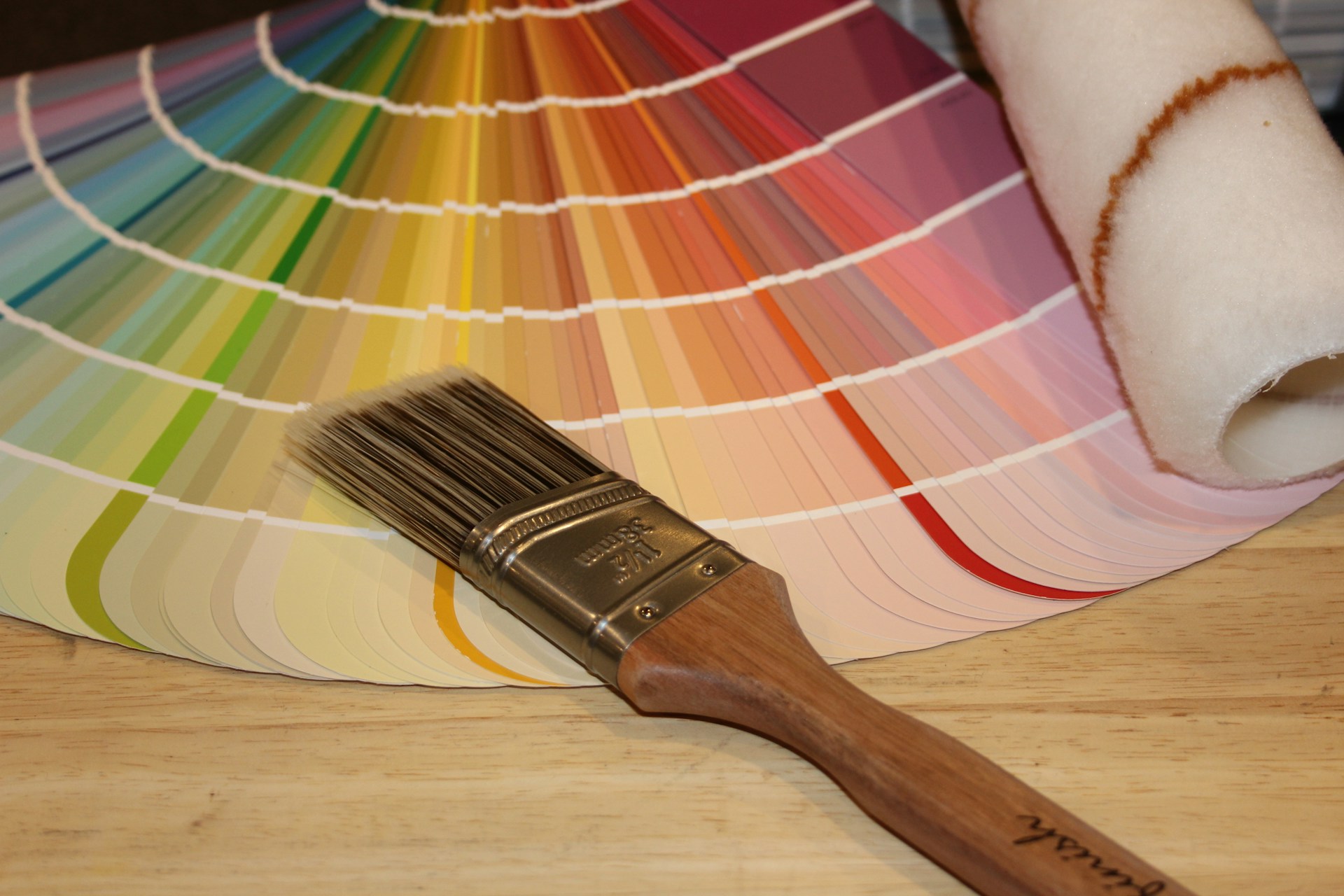
- Set a Budget: First, determine how much money you're willing to spend. This will help guide your decisions on what decorations and furniture you can afford.
- Choose a Theme: Decide on a theme or colour scheme that reflects your style or interests. This could range from minimalistic white tones to vibrant pop culture posters.
- Plan Your Space: Consider the layout of your room. Where will your furniture go? How much space do you need for other activities?
DIY Decoration Ideas
Decorating your room doesn't have to break the bank. Here are some DIY ideas that are perfect for a teen's budget:
- Photo Wall: Create a photo wall using prints of your favourite memories or inspirational quotes. Mount them on the wall with washi tape for a colourful and personal touch.
- Upcycle Furniture: Give old furniture a new life with a coat of paint or new handles. This can be a fun project that also makes your furniture unique.
- Homemade Art: Channel your inner artist with homemade canvas paintings or sketches that personalise your space.
Choosing Functional Decorations
While aesthetics are important, functionality should not be overlooked. Here are some functional decoration tips:
- Storage Solutions: Opt for decorations that double as storage, like ottomans with hidden compartments or shelves that display books and knick-knacks while keeping them organised.
- Lighting: Good lighting is crucial in any room. Consider chic lamps or string lights that provide both illumination and style.
- Comfortable Seating: If space allows, add a bean bag chair or a cosy corner with lots of pillows for a reading nook.
Considerations for Shared Spaces
If you share your room with a sibling, communication is key when it comes to decorating. Here's how you can handle it:
- Discuss Ideas: Share your decorating ideas with each other. You might find common themes or interests that can help unify the room's decor.
- Respect Each Other's Space: Try to allocate spaces where each of you can express your individual styles.
- Compromise: Find ways to compromise on shared decorations, perhaps by choosing neutral colours or agreeing on a theme that both of you like.
Keeping Your Room Updated
As you grow and your tastes change, it's natural that your room will need updates. Here are some tips for keeping your room's decor fresh:
- Seasonal Changes: Consider changing parts of your decoration based on the season, like swapping out bed linens or curtains.
- Keep It Clean: Regular cleaning and decluttering can transform the feel of your room and provide a fresh perspective.
- Revise and Replace: Every once in a while, take a step back to review your decor. Replace items that no longer resonate with your current interests or style.
Final Thoughts
Decorating your room is a fun and fulfilling project that can reflect your personality and change with your evolving interests. With some creativity, DIY projects, and careful planning, you can create a space that feels uniquely yours while also being a cosy retreat for relaxation and productivity.
How are you feeling?
It is really important that when we need help, we feel able to ask for it. This could be speaking to a parent, a close friend, a teacher or someone else you trust. Sometimes it can be really hard to share our feelings with other people but if we are feeling low or don't know where to turn, sharing with others is really important. Teachers will always take you seriously and listen to your problems in confidence if you approach them for help. Likewise, parents, siblings or friends will help you if you reach out to them.
If you feel like you can't speak to anyone you know, there are people and organisations that can help support you:
- Childline - Call them on 0800 1111 any time of the day or night, every day of the week
- NSPCC - Call them on 0808 800 5000 between 10am and 4pm Monday to Friday or email them on help@NSPCC.org.uk
- The Samaritans – Call them on 116 123 any time of the day or night, every day of the week
- SANE – Call 0300 304 7000 for support (4:30pm - 10:30pm every day)
- Mind – Call 0300 123 3393 (9:00am - 6:00pm Monday to Friday)
*Sometimes we will use real life examples in our articles to aid understanding. When we do, names and ages will be changed.