













Let's get started...
Exploring the Greens: The Presence of Parks in Urban Landscapes
When you think of a city, what images pop into your head? Towering buildings, bustling streets, and endless streams of traffic? While all these are quintessential elements of urban areas, there's another side to cities that often goes unnoticed the parks. Yes, you heard that right. Amidst the concrete jungle, there are pockets of serene greenery that not only exist but thrive. But why is the question of their existence even a topic of discussion?
The Urban Green Revolution
The idea of integrating nature into urban planning isn't new. Historically, parks were seen as a luxury, a beautiful escape for city dwellers from their cramped, often harsh living conditions during the Industrial Revolution. Fast forward to the present, and this view has evolved dramatically. Now, parks are considered essential for mental and physical health, biodiversity, and social connections.
Why Parks Matter in City Life
To a teenager living in a city, the importance of local parks might not be evident at first glance. Here are several reasons why urban parks are more than just patches of grass within the city:
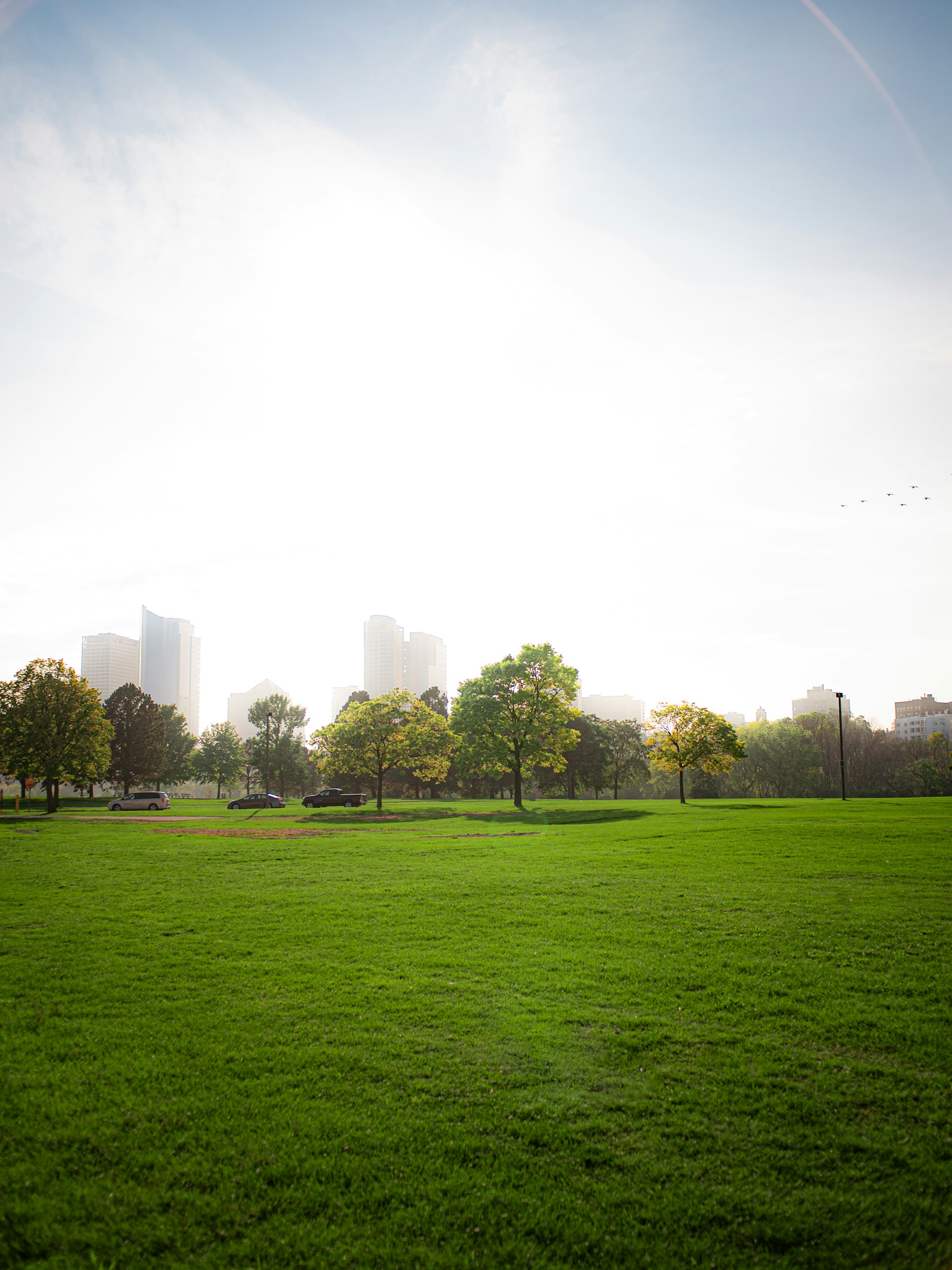
- Physical Health: Parks offer spaces for exercising, playing sports, or just walking around, which is vital for maintaining physical health.
- Mental Well-being: Green spaces have been shown to reduce stress, enhance mood, and even improve attention and cognitive outcomes.
- Social Spaces: They act as communal hubs where friends can meet, socialise, and participate in community events.
- Environmental Impact: Parks contribute to improving air quality, reducing urban heat, and supporting urban wildlife.
- Educational Value: Many parks have historical monuments, museums, or conservation areas that offer educational resources.
For youngsters growing up in urban settings, parks play an invaluable role in everyday life. They provide a necessary respite from the fast-paced urban environment and contribute to overall well-being.
Real-Life Impact: A Teenager's Perspective
Meet Jamie, a 16-year-old living in Manchester. For Jamie, the local park is not just a piece of the landscape but a vital part of his daily routine. Here's how the park impacts his life:
- Recreation and Sports: Jamie and his friends often play football in the park after school. This not only helps them stay active but also builds teamwork and social skills.
- Study and Relaxation: The quiet corners of the park serve as Jamie's go-to spot for reading and revising for exams, away from the distractions of home.
- Community Engagement: Participating in park clean-up activities and local festivals has helped Jamie feel more connected to his community.
The park serves as a versatile backdrop to Jamie's teenage life, illustrating just how pivotal these green spaces can be for young people in cities.
Practical Strategies for Teenagers
Engaging with city parks can provide numerous benefits, but it also requires active participation and responsibility. Here are some practical strategies to maximise the benefits of urban parks:
- Discover Local Parks: Start by exploring parks within your area. Try out different ones to find your favourite spots.
- Participate Actively: Join in on sports teams, attend events, or participate in volunteer activities within the park.
- Educate Yourself and Others: Learn about the flora and fauna, as well as the history of the parks. Share this knowledge with friends and family.
- Respect the Environment: Always clean up after yourself and follow park rules and regulations to keep these spaces clean and open to everyone.
- Advocacy and Improvement: If you feel that your local park could use improvements, get involved in community boards or city meetings to advocate for these changes.
By taking these steps, not only will you enhance your own experience, but you'll also contribute to the enduring value of parks for future generations.
Final Thoughts
Parks are more than just optional luxuries; they are integral components of urban life, offering countless benefits to city dwellers, especially teenagers. Whether it's for health, relaxation, education, or socialising, the answer is clear yes, there are parks in cities, and they play a crucial role in balancing urban living with nature and community wellness.
So next time you find yourself wondering what to do over the weekend or where to hang out with friends, consider your local park. It's not just a place to pass through, but a vibrant, essential part of the city's fabric that's waiting to be explored and appreciated.
How are you feeling?
It is really important that when we need help, we feel able to ask for it. This could be speaking to a parent, a close friend, a teacher or someone else you trust. Sometimes it can be really hard to share our feelings with other people but if we are feeling low or don't know where to turn, sharing with others is really important. Teachers will always take you seriously and listen to your problems in confidence if you approach them for help. Likewise, parents, siblings or friends will help you if you reach out to them.
If you feel like you can't speak to anyone you know, there are people and organisations that can help support you:
- Childline - Call them on 0800 1111 any time of the day or night, every day of the week
- NSPCC - Call them on 0808 800 5000 between 10am and 4pm Monday to Friday or email them on help@NSPCC.org.uk
- The Samaritans – Call them on 116 123 any time of the day or night, every day of the week
- SANE – Call 0300 304 7000 for support (4:30pm - 10:30pm every day)
- Mind – Call 0300 123 3393 (9:00am - 6:00pm Monday to Friday)
*Sometimes we will use real life examples in our articles to aid understanding. When we do, names and ages will be changed.