













Let's get started...
If you're someone who loves strolling through bustling shops and losing track of time in crowded malls, adjusting to life in the countryside can feel quite different when it comes to shopping options. While vibrant cities are dotted with everything from giant shopping centres to tiny, niche boutiques, the countryside often paints a different picture when it comes to retail therapy. Let's explore what shopping is really like in these less urbanised areas and how it impacts life, especially for teenagers like you.
Understanding Shopping in the Countryside
In many rural areas across the UK, shopping options are more limited compared to cities. This isn't just a stereotype; it's a reality shaped by population density, economic factors, and historical development. Smaller populations in the countryside mean less demand for large retail centres, which require a substantial customer base to be profitable. As a result, countryside shopping often includes:
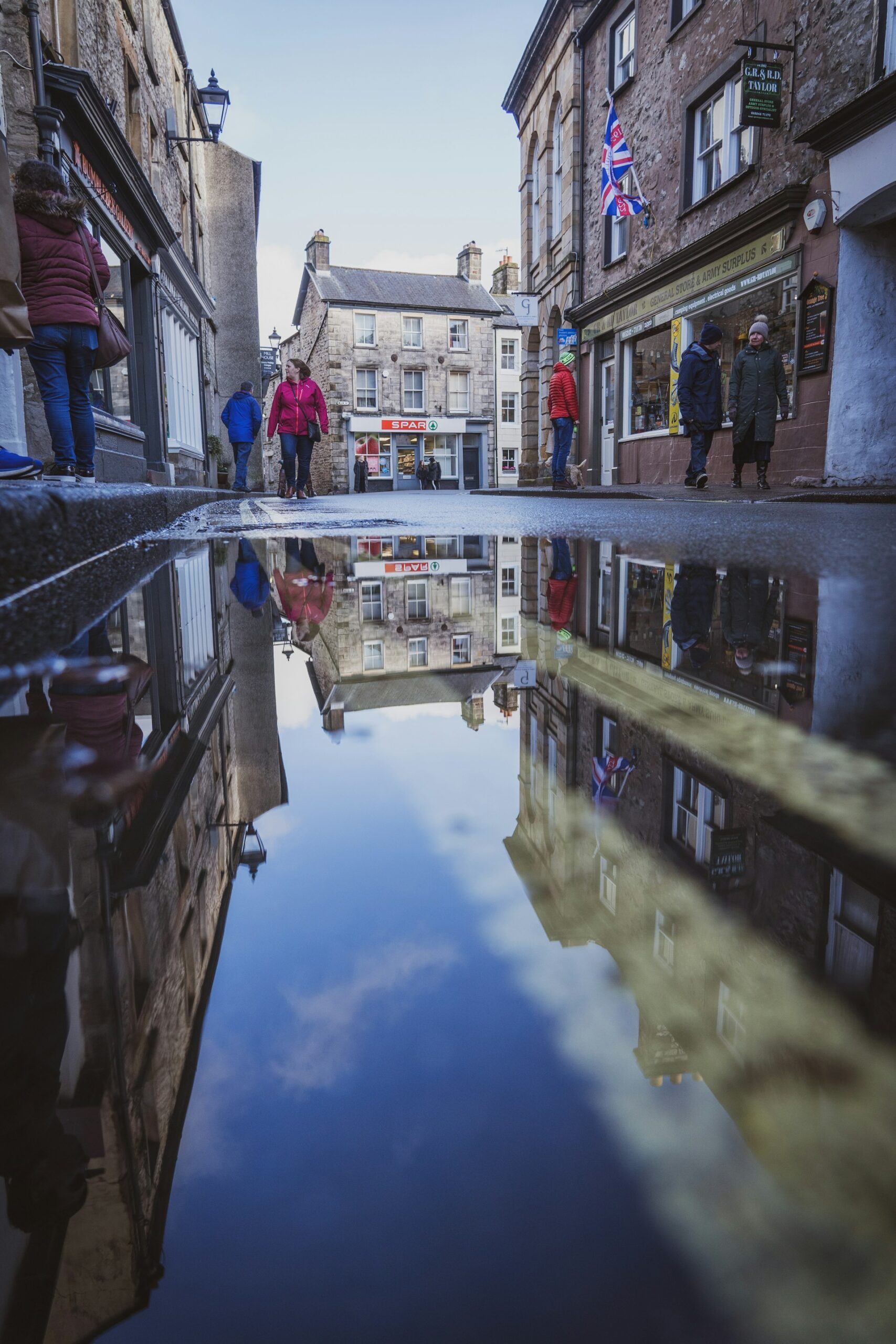
- Local markets: These can be weekly or bi-weekly and often feature local produce, crafts, and sometimes clothing. They're a place to socialise as much as they are to shop.
- Independent shops: Family-run businesses are more common in rural areas, offering a personal touch though often with a smaller selection of goods. You might find a quaint bookshop, a local butcher, a bakery, or a general store.
- Farm shops: Many farms sell their produce directly to consumers, which means fresh goods for you but typically less variety than in supermarkets.
- Village halls and pop-up shops: Occasionally, local artisans and sellers might set up shop temporarily in village halls or other community spaces.
However, what rural shopping spots boast in charm and community feel, they may lack in variety and convenience. It's not uncommon for a countryside dweller to travel considerable distances to reach a more diverse store, or even a supermarket. For teenagers, this can sometimes feel like a limitation, especially when trying to keep up with the latest trends or seeking entertainment.
The Impact on Young Countryside Dwellers
For young people living in the countryside, the limited shopping options can have varied impacts:
- Social Life: Shopping is often a social activity. In the countryside, fewer shops might mean fewer chances to hang out with friends in this way.
- Accessibility to Products: From the latest gadgets and fashion to specialty items like imported snacks or specific art supplies, rural shops may not stock everything you might be looking for.
- Travel: Greater travel distances not only eat into your leisure time but can also be challenging if you don't have access to frequent public transport or a ride from parents or friends. This can lead to a feeling of isolation or being "cut off" from trends and new products.
Despite these challenges, living in less populated areas can also foster creativity and resilience among young people. It encourages exploring local resources and developing a unique personal style or hobbies that aren't dictated by the latest high-street trends.
Strategies to Thrive with Limited Shopping Options
So, what can you do to mitigate the feeling of missing out? Here are some practical strategies:
- Online Shopping: Leverage the power of the internet. Most items you can't find locally can be ordered online. Just be mindful of delivery times and potentially higher shipping costs.
- Plan Shopping Trips: organise monthly or bi-monthly trips to larger towns or cities with friends or family. It can be an exciting excursion that you look forward to.
- Community Sharing: Set up or participate in local swap meets, lending libraries, or sharing groups. This can be a great way to access different items without owning them and helps foster community spirit.
- Support Local: Embrace the offerings of your local shops and markets. You might discover unique items and develop new tastes that you wouldn't have explored otherwise.
- Transport Solutions: Look into local community transport options intended for those without access to a car. Some areas have minibus services that might make shopping trips more accessible.
Remember, the countryside offers its own unique set of advantages, like the potential for a closer-knit community and a slower pace of life that allows more time to appreciate the simpler things. Shopping might be less convenient, but this also pushes you to think outside the big box stores!
Conclusion
While countryside shopping presents its challenges, particularly for teenagers used to the instant gratification and endless choices offered in urban centres, it also offers opportunities to innovate and appreciate what's locally available. With a bit of planning and creativity, you can overcome these hurdles and maybe even discover new interests. The key lies in balancing online resources with local offerings and finding joy in the unique experiences that rural life has to offer.
How are you feeling?
It is really important that when we need help, we feel able to ask for it. This could be speaking to a parent, a close friend, a teacher or someone else you trust. Sometimes it can be really hard to share our feelings with other people but if we are feeling low or don't know where to turn, sharing with others is really important. Teachers will always take you seriously and listen to your problems in confidence if you approach them for help. Likewise, parents, siblings or friends will help you if you reach out to them.
If you feel like you can't speak to anyone you know, there are people and organisations that can help support you:
- Childline - Call them on 0800 1111 any time of the day or night, every day of the week
- NSPCC - Call them on 0808 800 5000 between 10am and 4pm Monday to Friday or email them on help@NSPCC.org.uk
- The Samaritans – Call them on 116 123 any time of the day or night, every day of the week
- SANE – Call 0300 304 7000 for support (4:30pm - 10:30pm every day)
- Mind – Call 0300 123 3393 (9:00am - 6:00pm Monday to Friday)
*Sometimes we will use real life examples in our articles to aid understanding. When we do, names and ages will be changed.