
Let's get started...
When you think of the countryside, what pops into your mind? Rolling fields, farm animals, tractors chugging along lanes! Yes, the rustic charm of rural life has a picturesque appeal. But once the novelty of Instagram-worthy sunsets and the peace and quiet wears off, many teenagers in the countryside often find themselves pondering one critical question: What can I do for work around here?The Rural Job Landscape
Unlike bustling cities with their plethora of retail shops, restaurants, and offices, job opportunities in less populated areas can seem sparse. Many industries that thrive in urban environments have a smaller presence in the countryside. This includes sectors like IT, large-scale retail, and specialised services. However, the countryside is not empty of job opportunities for teens. Agriculture is the backbone of many rural economies, and although it might not sound as glamorous as working in a sleek city office, it offers a variety of jobs. From farming and gardening to roles in agri-tech, agricultural jobs are evolving. Besides farming, there are other industries sustained by the rural economy which provide employment opportunities. These include local hospitality venues such as pubs and inns, small-scale manufacturing, and tourism-related businesses which benefit from visitors to see the scenic landscapes.Real-Life Impact on Young People
Given the limited job opportunities in rural areas, teenagers often face unique challenges. One of the significant impacts is the possibility of feeling isolated or disconnected from the 'happening' centres of activity like cities, where there seem to be more opportunities and activities targeted towards younger demographics. Another aspect to consider is transport; in many rural areas, public transport is not as frequent or reliable as in urban regions. This can make commuting to a job a tricky affair unless you have a driving licence and access to a car. Without convenient access to jobs, teens in these areas may feel stuck or limited in their options.Practical Strategies for Teens Seeking Employment in the Countryside
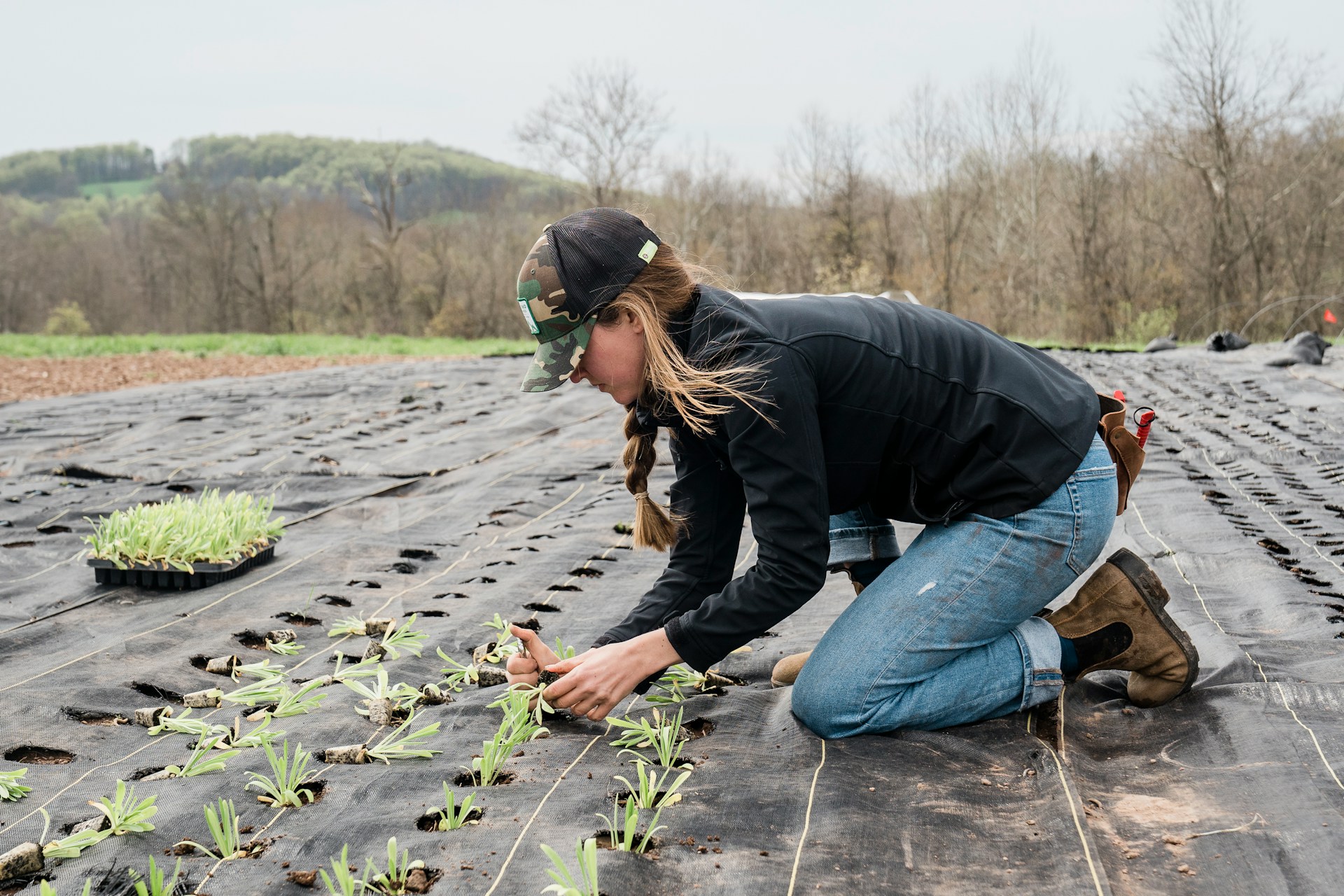
- Explore Local Opportunities: Start by looking around your local area. Farms may require seasonal workers or part-time help, and local businesses might be looking for assistance, especially during peak tourist seasons.
- Consider Remote Work: The rise of remote work could be a game-changer for rural teenagers. Online tutoring, freelance graphic design, content writing, or virtual assistant roles can all be done from anywhere with a good internet connection.
- Volunteer to Gain Experience: If paid jobs are scarce, volunteering can be a good way to build your resume. Helping out at local charities, community centres or environmental groups not only contributes positively but also adds valuable experience to your CV.
- Develop Transferable Skills: Wherever you are, developing skills such as communication, teamwork, and problem-solving will benefit you. Look for opportunities like online courses or local workshops to enhance these skills.
- Create Your Own Opportunities: Got a business idea? Rural areas could offer a unique market for your venture. Whether it's selling homemade crafts online, offering gardening services, or starting a blog about rural life, use your local knowledge to meet local needs.
Educational Perspective: Building Skills and Qualifications
While part-time jobs provide financial benefits and work experience, focusing on your education can open more doors in the long run. Consider the following:- Further Education: Attend college or university to expand your skill set and job prospects. Higher education is particularly beneficial if you're looking to enter a field with fewer opportunities in your immediate area.
- Apprenticeships: These provide a way to earn while you learn and gain hands-on experience in a trade or profession that may be in demand locally.
- Online Learning: Platforms like Coursera, Khan Academy, and even YouTube provide tutorials and courses that can enhance personal growth and employability.
Looking to the Future
Despite some hurdles, living in the countryside as a teenager doesn't mean you're out of options when it comes to jobs. It's an opportunity to get creative and explore routes you might not have considered in a city setting. It's about making the most of your surroundings and observing needs that you might be able to fulfil. If the local job market seems too constricted, broaden your perspective and skills to opportunities beyond your immediate environment. This approach not only enhances your personal development but could also expand your future career prospects considerably. Embrace the pace and possibilities of rural living they could lead to unexpected and rewarding paths.How are you feeling?
It is really important that when we need help, we feel able to ask for it. This could be speaking to a parent, a close friend, a teacher or someone else you trust. Sometimes it can be really hard to share our feelings with other people but if we are feeling low or don't know where to turn, sharing with others is really important. Teachers will always take you seriously and listen to your problems in confidence if you approach them for help. Likewise, parents, siblings or friends will help you if you reach out to them.
If you feel like you can't speak to anyone you know, there are people and organisations that can help support you:
- Childline - Call them on 0800 1111 any time of the day or night, every day of the week
- NSPCC - Call them on 0808 800 5000 between 10am and 4pm Monday to Friday or email them on help@NSPCC.org.uk
- The Samaritans – Call them on 116 123 any time of the day or night, every day of the week
- SANE – Call 0300 304 7000 for support (4:30pm - 10:30pm every day)
- Mind – Call 0300 123 3393 (9:00am - 6:00pm Monday to Friday)
*Sometimes we will use real life examples in our articles to aid understanding. When we do, names and ages will be changed.