

















Let's get started...
Living in the countryside can be a peaceful and rewarding experience, offering wide open spaces, beautiful landscapes, and a slower pace of life. For teenagers, it's a chance to connect with nature and enjoy a simpler way of living. However, adjusting to life in a rural area can also bring challenges, such as fewer social opportunities, limited public transport, and the need for self-reliance. Understanding how to navigate these challenges can help you make the most of countryside living. For young people used to the conveniences of urban areas, moving to or living in the countryside can feel like a big change. It requires adaptability, creativity, and a willingness to embrace new experiences. With the right mindset, however, it can be an opportunity to grow, learn, and enjoy a unique way of life.The Impact of Countryside Living on Teenagers
Living in the countryside offers many benefits, such as fresh air, outdoor activities, and a sense of community. It's a chance to escape the noise and busyness of city life and enjoy the natural beauty of rural areas. However, the slower pace can sometimes feel isolating, and practical challenges like limited transport or fewer entertainment options might require adjustments. For teenagers, countryside living can foster creativity, independence, and a closer connection to nature. By understanding the opportunities and challenges of rural life, you can make the most of your experience and thrive in your surroundings.10 Tips to Help You Live in the Countryside
Here are ten practical strategies to help you enjoy and adapt to life in the countryside: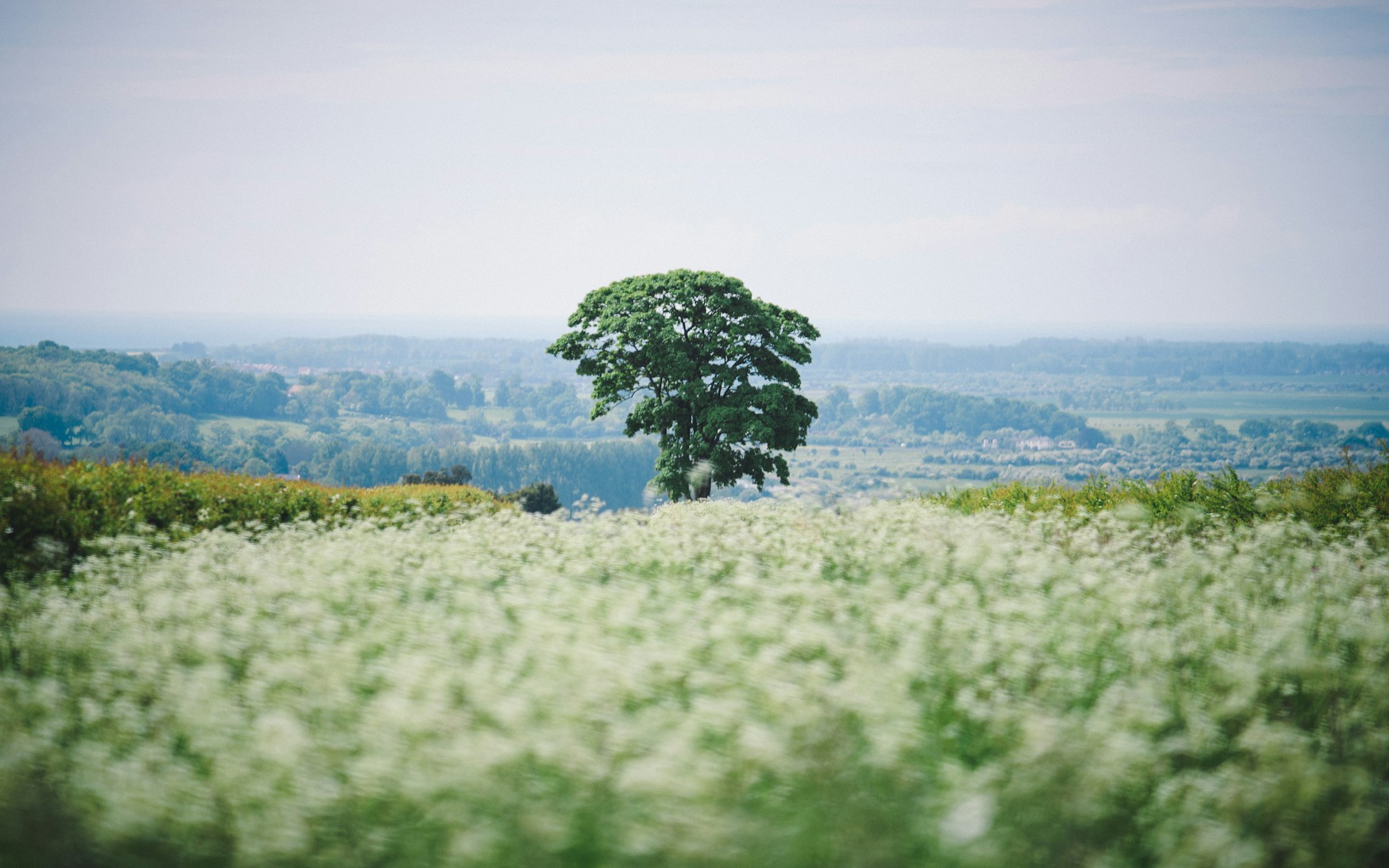
1. Embrace the Outdoors
The countryside offers endless opportunities for outdoor activities. Take advantage of the natural environment by exploring walking trails, cycling routes, or nearby parks. Spending time outdoors is not only enjoyable but also great for your physical and mental health.2. Get Involved in Local Life
Rural communities often have a strong sense of togetherness. Attend local events, join clubs, or volunteer in your area to meet people and feel more connected. Building relationships within your community can make countryside life more enjoyable.3. Learn to Plan Ahead
Living in the countryside often means fewer shops and longer travel times. Plan your trips and errands in advance to make the most of your time and resources. Stock up on essentials so you're prepared for days when getting to a shop isn't convenient.4. Make the Most of Technology
Technology can help you stay connected with friends and access resources that might not be available locally. Use apps, online communities, and video calls to maintain your social life and explore your interests.5. Develop a Hobby
The slower pace of countryside living is a great opportunity to explore hobbies like gardening, photography, painting, or baking. These activities can keep you entertained and help you make the most of your surroundings.6. Adapt to Limited Transport Options
If public transport is scarce in your area, find alternative ways to get around. Consider cycling, walking, or carpooling with friends or family. If you're old enough, learning to drive can also be a valuable skill in the countryside.7. Appreciate the Quiet
One of the biggest differences between city and countryside living is the level of noise. While it might feel too quiet at first, learn to appreciate the peace and tranquillity. Use it as a chance to relax, reflect, and recharge.8. Stay Social
Even if your local area feels remote, it's important to maintain a social life. Organise meetups with friends, attend nearby events, or stay in touch through social media. Staying connected can help prevent feelings of isolation.9. Learn About Local Wildlife
The countryside is home to a rich variety of wildlife. Take the time to learn about the animals and plants in your area. It's a great way to connect with nature and develop a deeper appreciation for your surroundings.10. Be Open to New Experiences
Countryside living often involves new and unique experiences, from farming and outdoor adventures to local traditions and festivals. Embrace these opportunities with an open mind, they can enrich your life and create lasting memories.The Real-Life Impact on Teenagers
Living in the countryside can shape your life in meaningful ways. It teaches independence, resourcefulness, and an appreciation for nature. For teenagers, it's an opportunity to develop skills like planning, problem-solving, and creativity while enjoying the benefits of a close-knit community and a healthy lifestyle. While there are challenges, such as fewer entertainment options or limited transport, these can be overcome with adaptability and a positive attitude. By focusing on the unique advantages of countryside living, you can turn potential difficulties into opportunities for growth.Final Thoughts
Living in the countryside offers a unique and enriching way of life. By embracing the outdoors, staying connected with your community, and exploring new interests, you can make the most of this experience. While there may be challenges, the skills and memories you gain will stay with you for a lifetime. Approach countryside living with curiosity and an open mind, and you'll discover its many rewards.How are you feeling?
It is really important that when we need help, we feel able to ask for it. This could be speaking to a parent, a close friend, a teacher or someone else you trust. Sometimes it can be really hard to share our feelings with other people but if we are feeling low or don't know where to turn, sharing with others is really important. Teachers will always take you seriously and listen to your problems in confidence if you approach them for help. Likewise, parents, siblings or friends will help you if you reach out to them.
If you feel like you can't speak to anyone you know, there are people and organisations that can help support you:
- Childline - Call them on 0800 1111 any time of the day or night, every day of the week
- NSPCC - Call them on 0808 800 5000 between 10am and 4pm Monday to Friday or email them on help@NSPCC.org.uk
- The Samaritans – Call them on 116 123 any time of the day or night, every day of the week
- SANE – Call 0300 304 7000 for support (4:30pm - 10:30pm every day)
- Mind – Call 0300 123 3393 (9:00am - 6:00pm Monday to Friday)
*Sometimes we will use real life examples in our articles to aid understanding. When we do, names and ages will be changed.
