













Let's get started...
Understanding Pet Illnesses: Signs and Actions
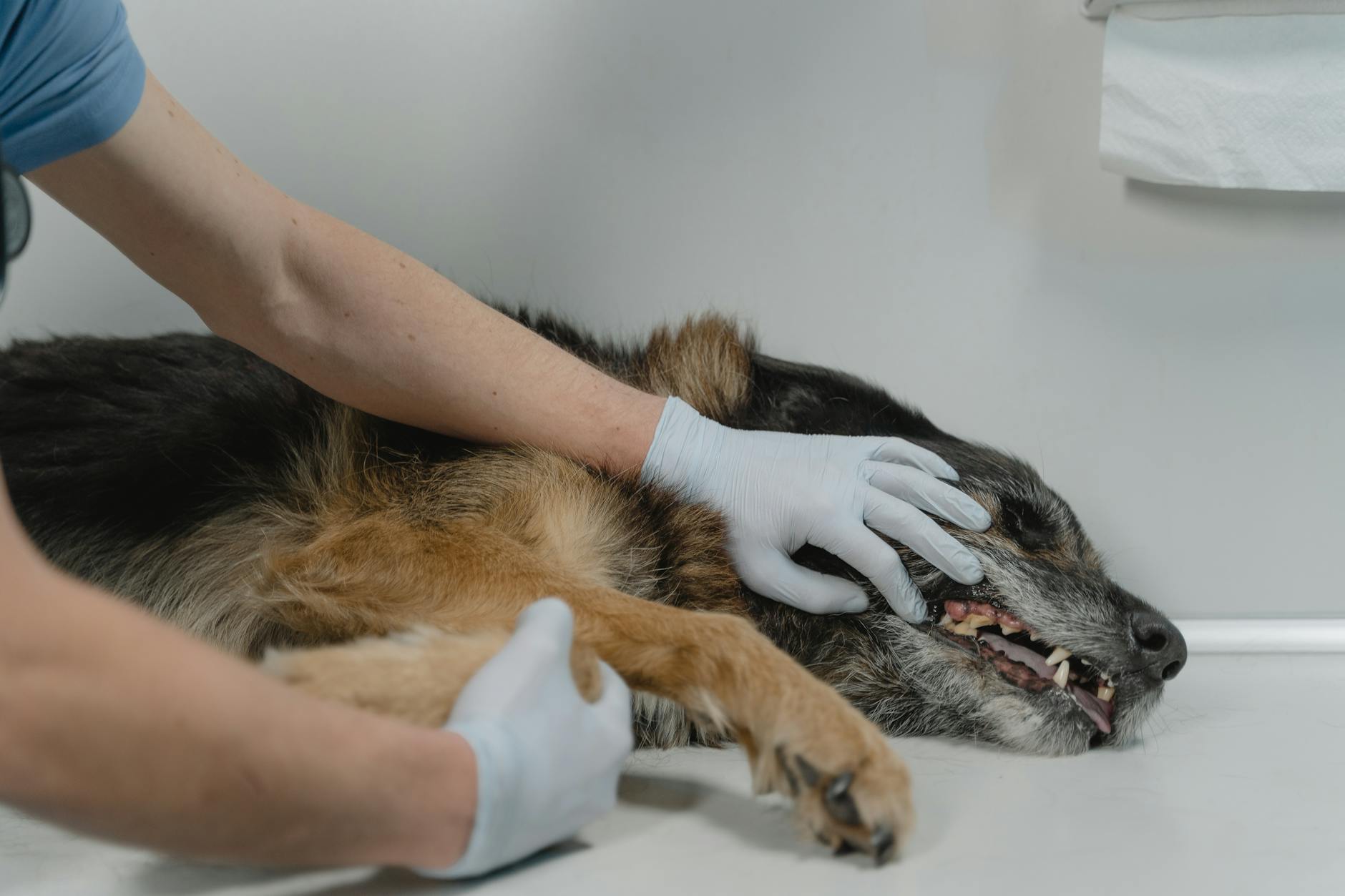
As a pet owner, the health and well-being of your furry or feathery friend is a primary concern. Pets, much like humans, can fall ill, and when they do, it can be a worrying time. Recognising the signs of illness and knowing the steps to take can make a significant difference in ensuring your pet's quick recovery.
Recognising the Signs of Illness in Pets
Pets often hide their illness, so it's crucial to be observant. Common symptoms of sickness in pets include:
- Lack of appetite or changes in eating habits
- Excessive drinking or urination
- Unusual lethargy or tiredness
- Difficulty breathing
- Vomiting or diarrhoea
- Sudden changes in behaviour, such as aggression if you touch certain areas of their body, hiding or being withdrawn
- Obvious pain or discomfort
- Changes in physical appearance, such as weight loss or poor coat quality
These symptoms can be signs of various problems, ranging from minor issues to more severe conditions. Therefore, monitoring any unusual behaviour or physical changes in your pet is crucial.
Immediate Actions to Take
If your pet shows any signs of illness, here are some steps you should consider:
- Contact Your Vet: As soon as you notice something off with your pet, speak to your parent or guardian and if they agree, contact your vet. Describe the symptoms in detail, as this will help them gauge the severity of the situation.
- Avoid Self-Diagnosing: It can be tempting to use the internet to figure out what's wrong with your pet. However, incorrect information could lead to wrong treatments that might worsen your pet's condition.
- Keep Your Pet Comfortable: Ensure they have a quiet and comfortable place to rest. Avoid forcing them to eat or drink but do make sure fresh water and food are available.
- Follow Veterinary Advice: If the vet prescribes medication or recommends a treatment plan, follow it meticulously. Never give human medication to pets, as this could be toxic to them.
- Monitor Their Condition: Keep a close eye on your pet even after they start to show improvement. If symptoms persist or worsen, a return visit to the vet may be necessary.
How To Prepare for Potential Pet Illnesses
Prevention is always better than cure. Here are ways to prepare and possibly prevent illnesses in pets:
- Regular Vet Visits: Ensure your pet has regular check-ups with the vet. These can help catch potential health issues before they become serious.
- Proper Nutrition: Feeding your pet a balanced diet suited to their age, health status, and breed can boost their immune system.
- Vaccinations: Keeping up to date with vaccinations can prevent many contagious diseases.
- Exercise: Regular physical activity can help maintain your pet's health and prevent obesity, which is linked to numerous health problems.
- Pet Insurance: Consider getting pet insurance to help with medical costs, especially for chronic conditions or emergencies.
Supporting Your Pet and Yourself
Dealing with a sick pet can be emotional and stressful. Here are some strategies to help you and your pet during this time:
- Seek Support: Lean on friends and family for emotional support. If you're feeling overwhelmed, it's okay to ask for help.
- Stay Informed: Educate yourself about your pet's conditions. Knowing what to expect can help you make informed decisions.
- Plan Financially: Unexpected vet bills can be hefty. Budgeting for potential pet healthcare can alleviate some of the financial stress.
When your pet is sick, it impacts your day-to-day life significantly. Balancing school, social activities, and extra responsibilities at home can be challenging. It's important to communicate with your family about how you're feeling and share the caregiving duties with everybody when possible.
Conclusion
Seeing your pet sick can indeed be distressing, but being prepared can ease the process. Understanding the signs of illness, knowing the right steps to take, and maintaining regular preventive care can ensure that your pet has the best chance at a speedy recovery. Your dedication and love as a pet owner are crucial during these tough times, reflecting the special bond you share with your pet.
How are you feeling?
It is really important that when we need help, we feel able to ask for it. This could be speaking to a parent, a close friend, a teacher or someone else you trust. Sometimes it can be really hard to share our feelings with other people but if we are feeling low or don't know where to turn, sharing with others is really important. Teachers will always take you seriously and listen to your problems in confidence if you approach them for help. Likewise, parents, siblings or friends will help you if you reach out to them.
If you feel like you can't speak to anyone you know, there are people and organisations that can help support you:
- Childline - Call them on 0800 1111 any time of the day or night, every day of the week
- NSPCC - Call them on 0808 800 5000 between 10am and 4pm Monday to Friday or email them on help@NSPCC.org.uk
- The Samaritans – Call them on 116 123 any time of the day or night, every day of the week
- SANE – Call 0300 304 7000 for support (4:30pm - 10:30pm every day)
- Mind – Call 0300 123 3393 (9:00am - 6:00pm Monday to Friday)
*Sometimes we will use real life examples in our articles to aid understanding. When we do, names and ages will be changed.