
Let's get started...
Understanding the Responsibilities of Pet Ownership
Deciding to welcome a pet into your life is more than just gaining a cuddly companion; it signifies taking on a set of serious responsibilities that can shape both your life and the life of your new four-legged, winged, or finned friend. For many teens, having a pet provides a great source of comfort, joy, and companionship, but it also requires commitment and can teach valuable life lessons in responsibility, care, and empathy.
What Owning a Pet Really Means
When you adopt a pet, you're committing to looking after its welfare for its entire life. This includes basic necessities like food and water, but extends much further to include veterinary care, training, companionship, exercise, and mental stimulation.
1. Daily Care and Feeding
Every pet needs the basics: a good diet and plenty of clean water. But dietary needs can vary widely depending on the type of pet you have. Dogs, for example, might have specific nutritional requirements based on their size, age, and health. Cats, on the other hand, are generally carnivores and their diet may need to include a higher proportion of meat. Rabbits and small rodents require a mix of nut-free pellets and fresh vegetables. Researching and understanding what your specific pet needs are crucial for their well-being.
2. Exercise and Play
All pets need some form of exercise to remain healthy and happy. For dog owners, this means regular walks rain or shine. Cats often require less outdoor time but do need stimulating play to keep them active and prevent obesity. It's not just physical health that benefits from exercise; it's also critical for your pet's mental health, helping to prevent anxiety and boredom, which can lead to destructive behaviours.
3. Health Care
Keeping up with vet appointments is an essential aspect of pet care. This includes regular vaccinations, flea and worm treatments, and annual check-ups. Emergencies can happen, and they can be expensive, so being aware of the financial commitment is important. Many pet owners consider pet insurance to help cover unexpected costs.
4. Training and socialisation
Especially important for young and newly adopted animals, training helps your pet understand their boundaries and what's expected of them. Effective training builds a positive pet-owner relationship and reduces the likelihood of behaviour problems. socialisation, too, is crucial, particularly for dogs, as it helps them interact healthily with other animals and humans.
5. Grooming and Hygiene
Regular grooming is vital, not only for keeping your pet looking good but also for their overall health. This might involve bathing, brushing, nail clipping, and dental care. Cats are generally good self-groomers, but long-haired breeds might need extra help to prevent mats and tangles.
6. Longevity and Commitment
Pet ownership is not a short-term commitment. Dogs and cats can live anywhere from 10 to 20 years, sometimes more. Before taking on a pet, it's essential to consider your future plans and whether you can realistically provide for your pet throughout their life.
Real-Life Impact on Young People
For teenagers, having a pet can greatly enrich life. It provides a sense of purpose and a routine, while pets' affectionate behaviour can boost mental health and alleviate feelings of stress and loneliness. However, pets can also introduce complications, especially when life gets busy with school, extracurricular activities, and social lives.
Owning a pet requires time, money, and a constant commitment, which can sometimes be challenging to manage alongside the dynamic changes and demands of teenage years. It's important to discuss these responsibilities with family and understand that caring for a pet is a team effort.
Practical Strategies for Managing Pet Responsibilities
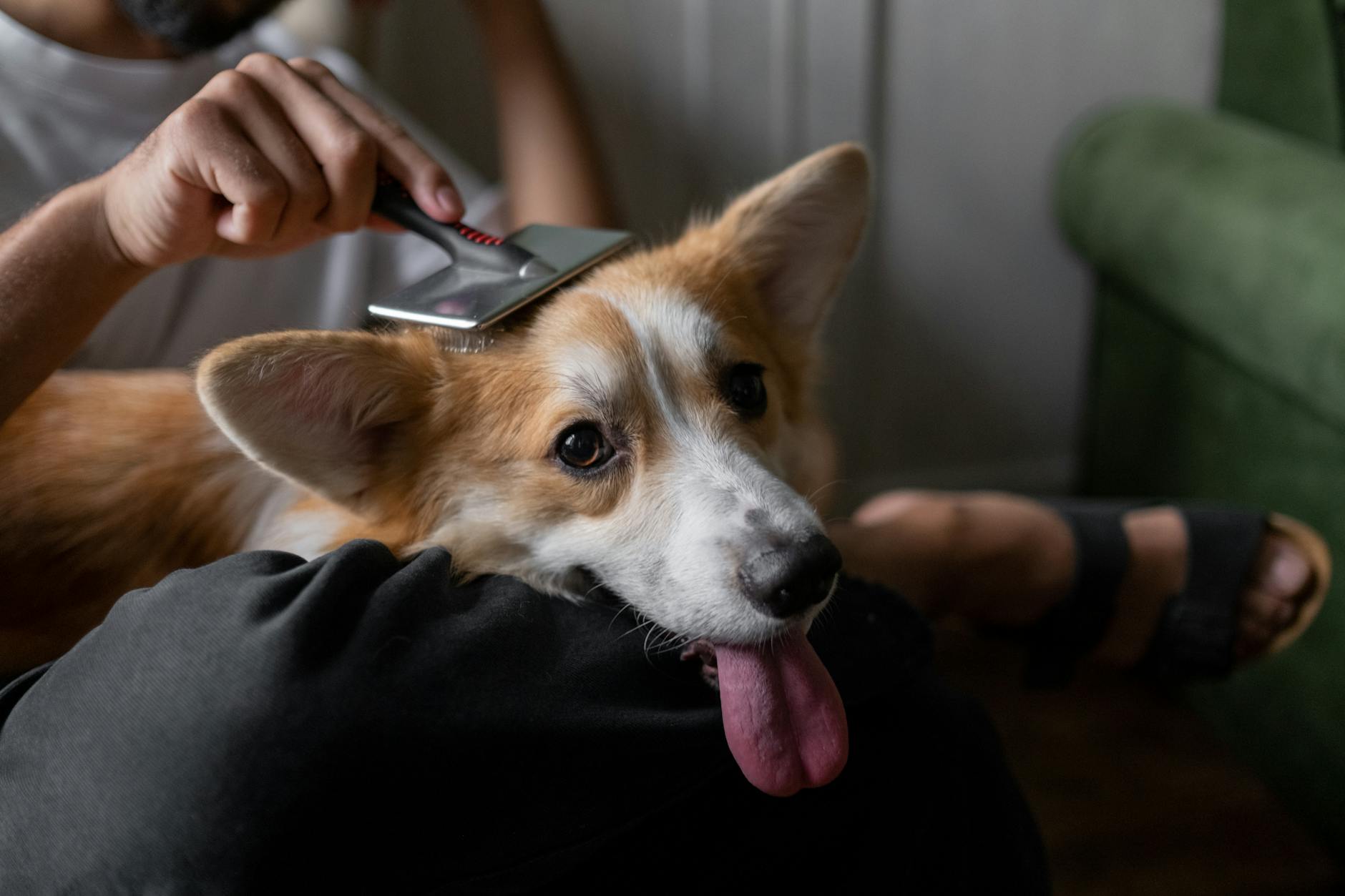
- Create a Routine: Having a fixed schedule for feeding, walks, and playtime can help manage your time effectively without compromising your pet's care.
- Family Involvement: Share the responsibilities with family members. Taking turns on walking the dog or changing the cat litter can help distribute the workload.
- Financial Planning: Consider setting aside a small amount of money each month for pet expenses. This can be useful for regular care as well as unexpected vet bills.
- Educate Yourself: The more you know about your pet, the better you can care for them. Read books, watch tutorials, and maybe attend a pet care class.
- Consider Your Lifestyle: Be realistic about the amount of time you have for a pet and choose one that fits into your current lifestyle.
Adopting a pet is a joyful and enriching experience, and taking care of one can teach you a lot about responsibility and the value of nurturing another life. With the proper knowledge and support, young people can find great joy and fulfilment in the company of their beloved pets.
How are you feeling?
It is really important that when we need help, we feel able to ask for it. This could be speaking to a parent, a close friend, a teacher or someone else you trust. Sometimes it can be really hard to share our feelings with other people but if we are feeling low or don't know where to turn, sharing with others is really important. Teachers will always take you seriously and listen to your problems in confidence if you approach them for help. Likewise, parents, siblings or friends will help you if you reach out to them.
If you feel like you can't speak to anyone you know, there are people and organisations that can help support you:
- Childline - Call them on 0800 1111 any time of the day or night, every day of the week
- NSPCC - Call them on 0808 800 5000 between 10am and 4pm Monday to Friday or email them on help@NSPCC.org.uk
- The Samaritans – Call them on 116 123 any time of the day or night, every day of the week
- SANE – Call 0300 304 7000 for support (4:30pm - 10:30pm every day)
- Mind – Call 0300 123 3393 (9:00am - 6:00pm Monday to Friday)
*Sometimes we will use real life examples in our articles to aid understanding. When we do, names and ages will be changed.