

















Let's get started...
Understanding Pet Training: The Basics and Beyond
Training a pet is much more than teaching it tricks or how to behave; it's about creating a bond based on mutual respect and understanding. Whether you're thinking about teaching your puppy to sit or your parrot to speak, the principles of pet training remain consistent and are rooted in patience and positive reinforcement.
Why Train Your Pet?
Training is an essential part of the healthy development of any pet. It helps in reinforcing social skills and can significantly enhance your pet's ability to communicate with you effectively. Proper training can prevent or correct behavioural issues which, left unattended, can lead to a strained relationship between you and your pet. Moreover, the mental stimulation involved in learning new commands and tricks can contribute to the overall well-being of your pet by keeping its mind sharp and active.
The Impact of Training on a Young Person's Life
For teenagers, the process of training a pet can have a profound impact on personal development. It teaches responsibility, as regular training sessions require commitment and a routine. It also nurtures patience and empathy, as understanding a pet's needs and behaviour patterns is crucial for effective training. The satisfaction and confidence that come from successfully teaching your pet a new command or trick can also be a great self-esteem booster.
Getting Started with Pet Training
Before you dive into training sessions, it's vital to understand the basics. Here are some initial steps to consider:
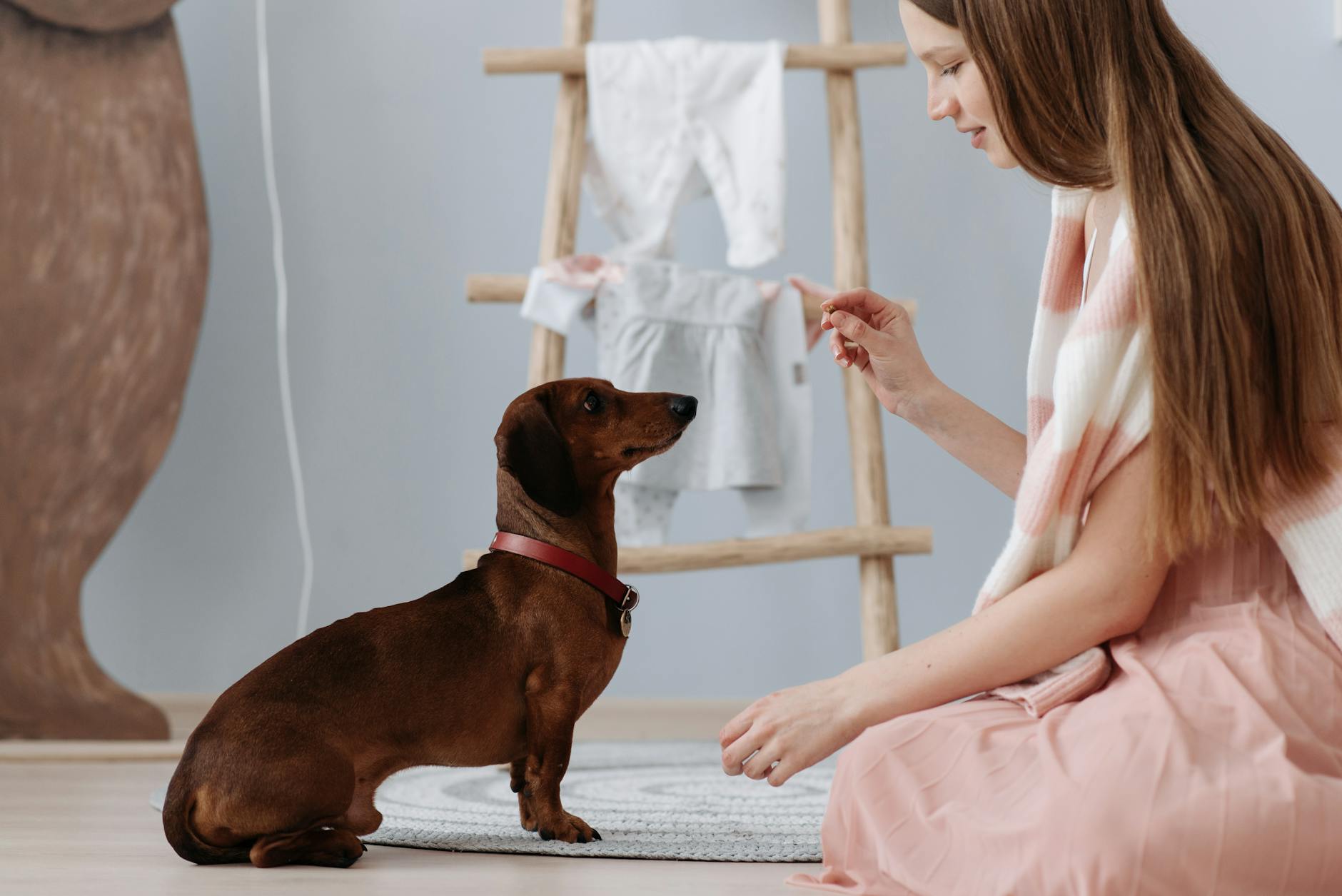
- Learn about your pet's species-specific behaviour: Different pets have different training needs. What works for a dog might not work for a cat or a bird.
- Choose the right tools: Depending on the pet, this may include treats, clickers, leashes, or cages.
- Set realistic goals: Start with basic commands and gradually move to more complex tasks.
Practical Strategies for Training Your Pet
Adopting the right strategies can make the training process enjoyable and productive for both you and your pet. Here are some effective methods:
1. Using Positive Reinforcement
Positive reinforcement involves rewarding your pet's good behaviour with something they love, such as treats, praises, or physical affection. This method encourages them to repeat those behaviours.
2. Consistency is Key
Consistency in command words, the tone of voice, and the rewards used is crucial. If one family member is using sit and another is saying sit down, it can confuse the pet. Make sure everyone who is involved in the training is on the same page.
3. Training Sessions Should Be Short and Fun
Especially for young and easily distracted pets, keeping training sessions short helps maintain their attention. Aim for about 5 to 10 minutes at the start, and gradually increase the time as they grow more accustomed to the process. Engage in playful activities so the training feels less like a drill and more like fun time with you.
4. Patience and Positive Attitude
Training can be a slow process and it's important to remain patient. Getting frustrated or angry can scare or confuse your pet. Instead, maintain a cheerful demeanour to make your pet look forward to each session.
5. socialisation
socialisation is part of the training process which involves exposing your pet to different people, pets, and environments. It helps them react more calmly to various situations and is crucial for developing a well-rounded pet.
6. Consider Professional Help
If you encounter persistent issues or if the training tasks become too challenging, consider enlisting the help of a professional trainer. They can provide personalised strategies and guidance that can make a difference based on your specific situation and pet's behaviour.
Conclusion
The journey of training your pet offers numerous rewards that extend beyond a well-behaved animal. It fosters a stronger bond between you and your pet, and the skills you develop patience, consistency, empathy can influence other aspects of life positively.
Remember, training is not a one-size-fits-all process. Each pet is unique and may require adjustments to the general training techniques to suit their personality and physical capabilities. The key is to enjoy this learning curve and cherish the milestones you achieve together.
How are you feeling?
It is really important that when we need help, we feel able to ask for it. This could be speaking to a parent, a close friend, a teacher or someone else you trust. Sometimes it can be really hard to share our feelings with other people but if we are feeling low or don't know where to turn, sharing with others is really important. Teachers will always take you seriously and listen to your problems in confidence if you approach them for help. Likewise, parents, siblings or friends will help you if you reach out to them.
If you feel like you can't speak to anyone you know, there are people and organisations that can help support you:
- Childline - Call them on 0800 1111 any time of the day or night, every day of the week
- NSPCC - Call them on 0808 800 5000 between 10am and 4pm Monday to Friday or email them on help@NSPCC.org.uk
- The Samaritans – Call them on 116 123 any time of the day or night, every day of the week
- SANE – Call 0300 304 7000 for support (4:30pm - 10:30pm every day)
- Mind – Call 0300 123 3393 (9:00am - 6:00pm Monday to Friday)
*Sometimes we will use real life examples in our articles to aid understanding. When we do, names and ages will be changed.
