

















Let's get started...
Exploring Unusual Pets: Beyond Cats and Dogs
When we think about pets, dogs and cats are usually the first animals that come to mind. However, some pet enthusiasts look beyond the usual and venture into the world of more unconventional pets. While unusual pets can be fascinating and rewarding, they also come with unique challenges and responsibilities. Let's explore some unconventional pets, their impacts on young people, and practical strategies for caring for them.
Types of Unusual Pets
Unusual pets come in various forms, from exotic animals to more traditional pets that are considered less common. Here's a list of some unique animals people might keep as pets:
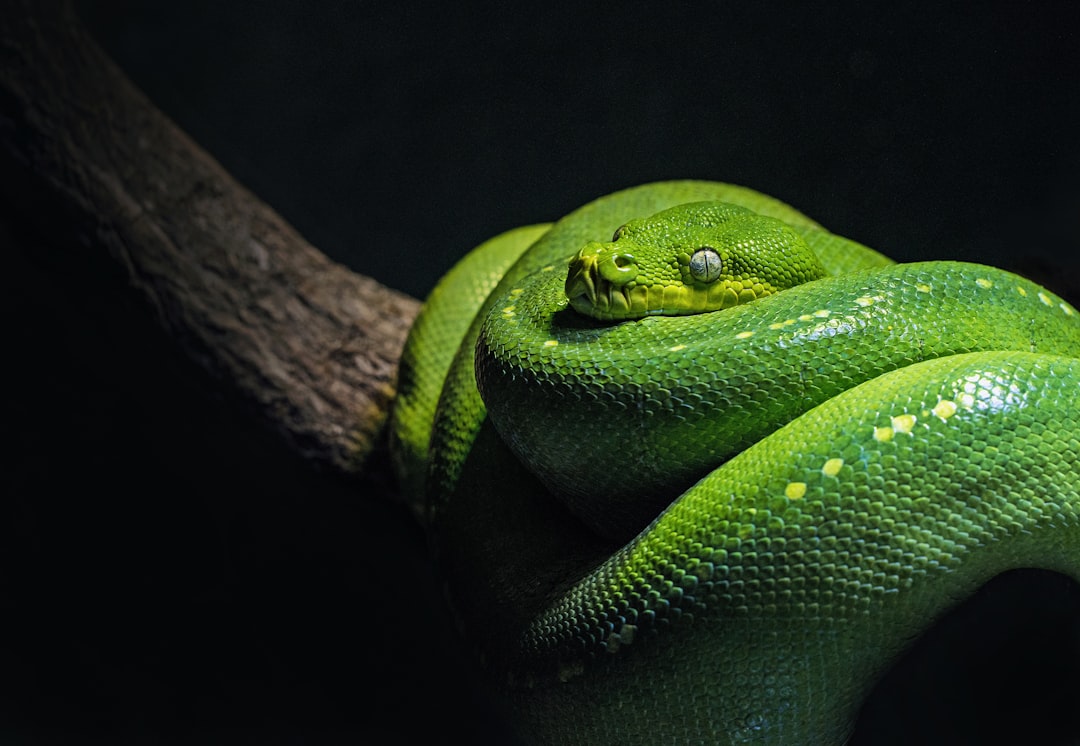
- Reptiles: This category includes snakes, lizards, and turtles. Animals like the Bearded Dragon and Corn Snake are popular due to their relatively easy care and docile nature.
- Birds: While parrots are common, other birds like toucans and mynah birds offer a rare twist for avian enthusiasts.
- Insects and arachnids: Believe it or not, tarantulas, scorpions, and even giant millipedes are kept as pets. They require minimal space and can be intriguing to observe.
- Rodents: Beyond hamsters and guinea pigs, exotic rodents such as chinchillas and degus are becoming more popular because of their unique characteristics and behaviours.
- Aquatic animals: Some choose to dive deeper with exotic fish, seahorses, or even jellyfish, kept in specially maintained aquariums.
- Amphibians: Frogs and salamanders are sought after for their distinctive needs and lifecycle that can be fascinating to watch.
Why Do Some Opt for Unusual Pets?
Choosing an unusual pet often stems from a desire to connect with a unique type of animal or to stand out from ordinary pet owners. For teenagers, this choice can be a form of self-expression or a step towards a career in veterinary practices, zoology, or animal conservation. However, it's pivotal to understand that these pets can require specialised care.
Impact on Teenagers
Having an unusual pet can significantly impact a teenager's life in various ways:
- Responsibility: Caring for a living being teaches responsibility and discipline, as exotic pets often require strict feeding and cleaning schedules.
- Educational Value: Learning about the needs of an exotic animal can be incredibly educational, offering insights into biology, ecology, and behaviour science.
- Social Interaction: Owning a unique pet can also be a starting point for social interactions, providing a common interest with other enthusiasts.
However, there can also be drawbacks such as the challenge of finding veterinary care for exotic species or the higher costs associated with their maintenance.
Practical Strategies for Keeping Unusual Pets
If you're considering or already have an unusual pet, employing effective strategies for their care is crucial:
- Educate Yourself: Before acquiring any unusual pet, thoroughly research their specific needs, including diet, habitat, and health care requirements.
- Legal and Ethical Considerations: Verify that it's legal to own the animal in your area, and consider the ethical implications of keeping a wild species as a pet.
- Specialised Veterinary Care: Identify a veterinarian skilled in treating your specific type of pet. Regular check-ups are essential to ensure they remain healthy.
- Appropriate Housing: Provide an environment that mimics their natural habitat as closely as possible. This might mean investing in special heating lamps, humidifiers, or customised enclosures.
- Community Engagement: Connect with other pet owners through forums, clubs, or online communities. They can offer support, advice, and first-hand experiences that are invaluable.
Conclusion
Taking on the responsibility of an unusual pet is not for everyone, and it's not a decision to be made lightly. The care of an unusual pet requires time, money, and a deep commitment, but for the right person, the rewards can be substantial. Whether it's the sense of achievement in creating the perfect habitat or the unique bond you form with your pet, these experiences can deeply enrich a young person's life.
Always remember that the welfare of the animal should come first. With the proper care, respect, and attention, having an unusual pet can be an enriching experience that could also spark a lifelong passion for animals and conservation.
How are you feeling?
It is really important that when we need help, we feel able to ask for it. This could be speaking to a parent, a close friend, a teacher or someone else you trust. Sometimes it can be really hard to share our feelings with other people but if we are feeling low or don't know where to turn, sharing with others is really important. Teachers will always take you seriously and listen to your problems in confidence if you approach them for help. Likewise, parents, siblings or friends will help you if you reach out to them.
If you feel like you can't speak to anyone you know, there are people and organisations that can help support you:
- Childline - Call them on 0800 1111 any time of the day or night, every day of the week
- NSPCC - Call them on 0808 800 5000 between 10am and 4pm Monday to Friday or email them on help@NSPCC.org.uk
- The Samaritans – Call them on 116 123 any time of the day or night, every day of the week
- SANE – Call 0300 304 7000 for support (4:30pm - 10:30pm every day)
- Mind – Call 0300 123 3393 (9:00am - 6:00pm Monday to Friday)
*Sometimes we will use real life examples in our articles to aid understanding. When we do, names and ages will be changed.
