

















Let's get started...
Coping with the Loss of a Pet
Losing a pet is, without doubt, a significant emotional challenge, especially during your teenage years when you might be dealing with various other pressures. Pets aren't just animals; they're family members, friends, and confidants. Their passing can leave a void that isn't easily filled. Understanding how to cope with this loss and remembering your pet in a positive light can significantly ease the pain and help in processing your emotions.
Understanding Grief Associated with Pet Loss
The grief that comes from losing a pet can often be overwhelming. It's important to recognise that this feeling is normal and valid. Grief has several stages, including denial, anger, bargaining, depression, and acceptance. As a teenager, these stages might be confusing, manifesting in various ways such as sadness, a loss of interest in usual activities, or even irritation. Be patient with yourself as you navigate through these feelings.
It's also crucial to know that everyone grieves differently. While one person might find it helpful to talk about their pet, another might prefer spending some time alone. There's no "right" way to feel or to grieve.
Creating Memorials and Keepsakes
One meaningful way to remember your beloved pet is by creating a memorial or keepsake. This can take many different forms depending on what feels right for you:
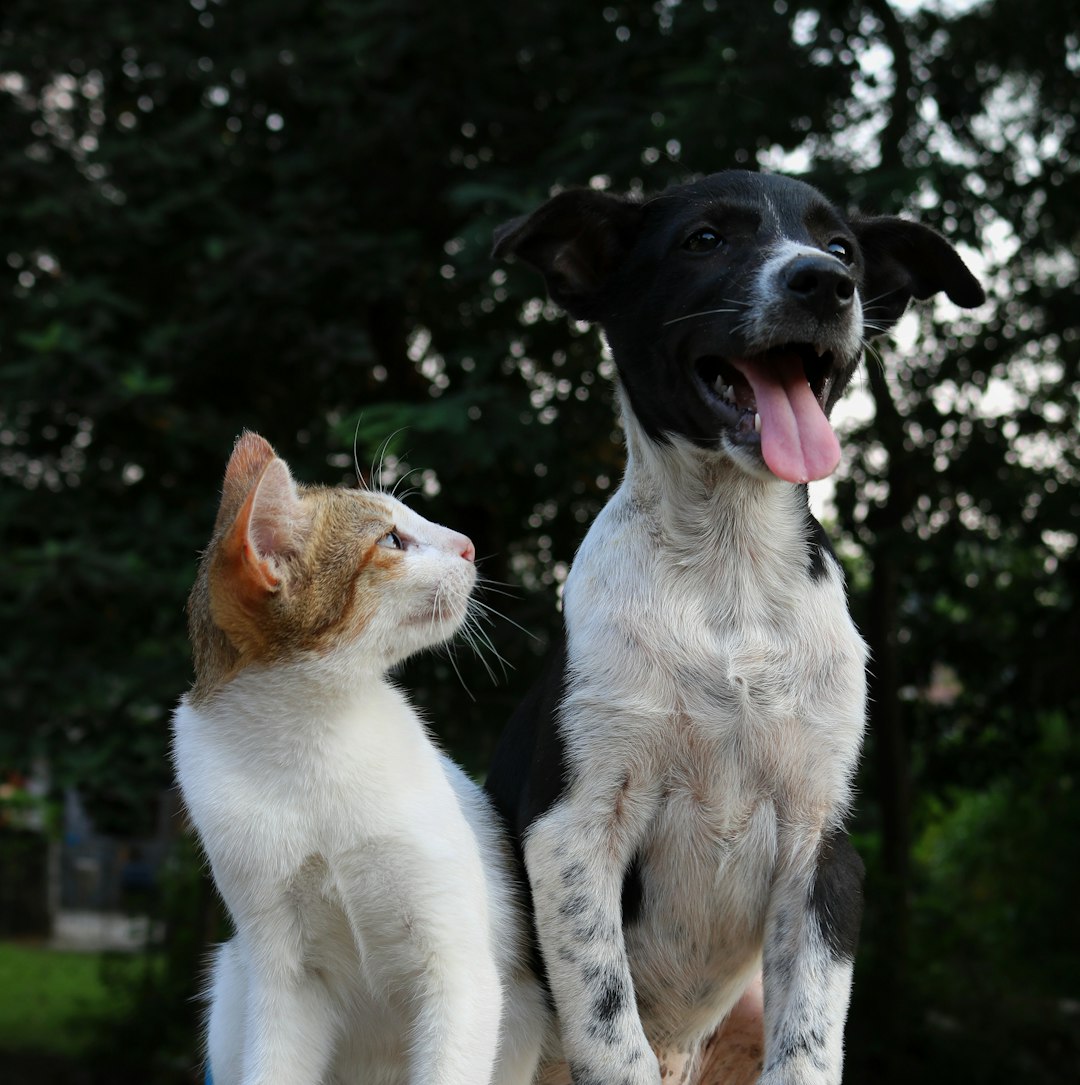
- Photo Albums: Putting together a photo album can be a therapeutic way to gather all your favourite memories in one place. You can include photos, favourite toys, or even their collar. Every item can help in remembering the joyous moments spent together.
- Memory Boxes: A memory box can hold items that were significant to your pet perhaps a favourite blanket or toy, or even a lock of fur. These boxes can serve as a tangible connection to your pet.
- Garden Stones or Planting a Tree: Creating a memorial in your garden, such as placing a customised garden stone with your pet's name or planting a tree in their memory, can serve as a living tribute. Every time you see it, you'll be reminded of the life you shared.
These memorials serve as a personal reminder and a way to cherish the memories of your pet. They provide a physical space to go to when you're missing your furry friend and want to reflect on the good times you shared.
Writing and Sharing Stories
Writing about your pet or sharing stories about them can be a powerful way to keep their memory alive. You could write a poem, a story, or even a letter to your pet expressing how much they meant to you. If you're comfortable, sharing these writings with family members or friends who knew your pet can also be incredibly supportive. Sometimes, just voicing our feelings helps us to process them better.
Online Tributes
In the digital age, creating an online tribute can be a beautiful way to memorialise your pet. This could be a blog post, a social media page, or a submission to an online pet memorial site. Not only does this allow you to express your feelings and memories, but it also invites others who loved your pet to share their own memories and support each other through comments and messages.
Continuing Bonds
Another therapeutic approach is the concept of "continuing bonds". This theory supports the idea that a person can still have a relationship with their deceased loved ones by finding different ways to maintain connections. For example, you might decide to donate to or volunteer at an animal shelter as a way of honouring your pet. This keeps their spirit alive by allowing you to contribute positively to the lives of other animals.
Participating in activities like these doesn't just help keep your pet's memory alive but also brings a sense of fulfilment and purpose, helping mitigate the grief by focusing on making a difference.
Talking to Someone
Sometimes, talking to someone who understands can make a big difference. This could be a family member, a friend, or even a professional like a counsellor. Schools often have counsellors who are trained to help with such situations. Never feel that you have to cope with your grief alone. Having support can significantly ease the process of healing.
Finally, it's important to allow yourself to feel sad, to miss your pet, and to accept that your life won't be the same without them. Remembrance is a personal journey, and it's okay to take your time moving through it. You may never stop missing them, but ideally, the sharpness of the pain will ease, replaced by fond memories that bring more comfort than sadness.
Remember, the love you had for your pet and the experiences you shared are uniquely special and can never be erased. They form a part of who you are and by honouring those memories, you keep a part of your pet always with you.
How are you feeling?
It is really important that when we need help, we feel able to ask for it. This could be speaking to a parent, a close friend, a teacher or someone else you trust. Sometimes it can be really hard to share our feelings with other people but if we are feeling low or don't know where to turn, sharing with others is really important. Teachers will always take you seriously and listen to your problems in confidence if you approach them for help. Likewise, parents, siblings or friends will help you if you reach out to them.
If you feel like you can't speak to anyone you know, there are people and organisations that can help support you:
- Childline - Call them on 0800 1111 any time of the day or night, every day of the week
- NSPCC - Call them on 0808 800 5000 between 10am and 4pm Monday to Friday or email them on help@NSPCC.org.uk
- The Samaritans – Call them on 116 123 any time of the day or night, every day of the week
- SANE – Call 0300 304 7000 for support (4:30pm - 10:30pm every day)
- Mind – Call 0300 123 3393 (9:00am - 6:00pm Monday to Friday)
*Sometimes we will use real life examples in our articles to aid understanding. When we do, names and ages will be changed.
