

















Let's get started...
When we think about allergies, we typically think of people sneezing from pollen or getting itchy eyes from cat hair. However, it might surprise you to know that pets can also suffer from allergies! Just like humans, our furry friends can experience uncomfortable reactions to their environments, foods, or even fleas. Understanding pet allergies is crucial not only for their health and comfort but also for the well-being of their human families.
Understanding Pet Allergies: Background and Types
Pet allergies are essentially the immune system's overreaction to foreign substances or allergens. This overreaction can manifest in various symptoms, which can sometimes be severe. The types of allergies in pets broadly categorise into a few main types:
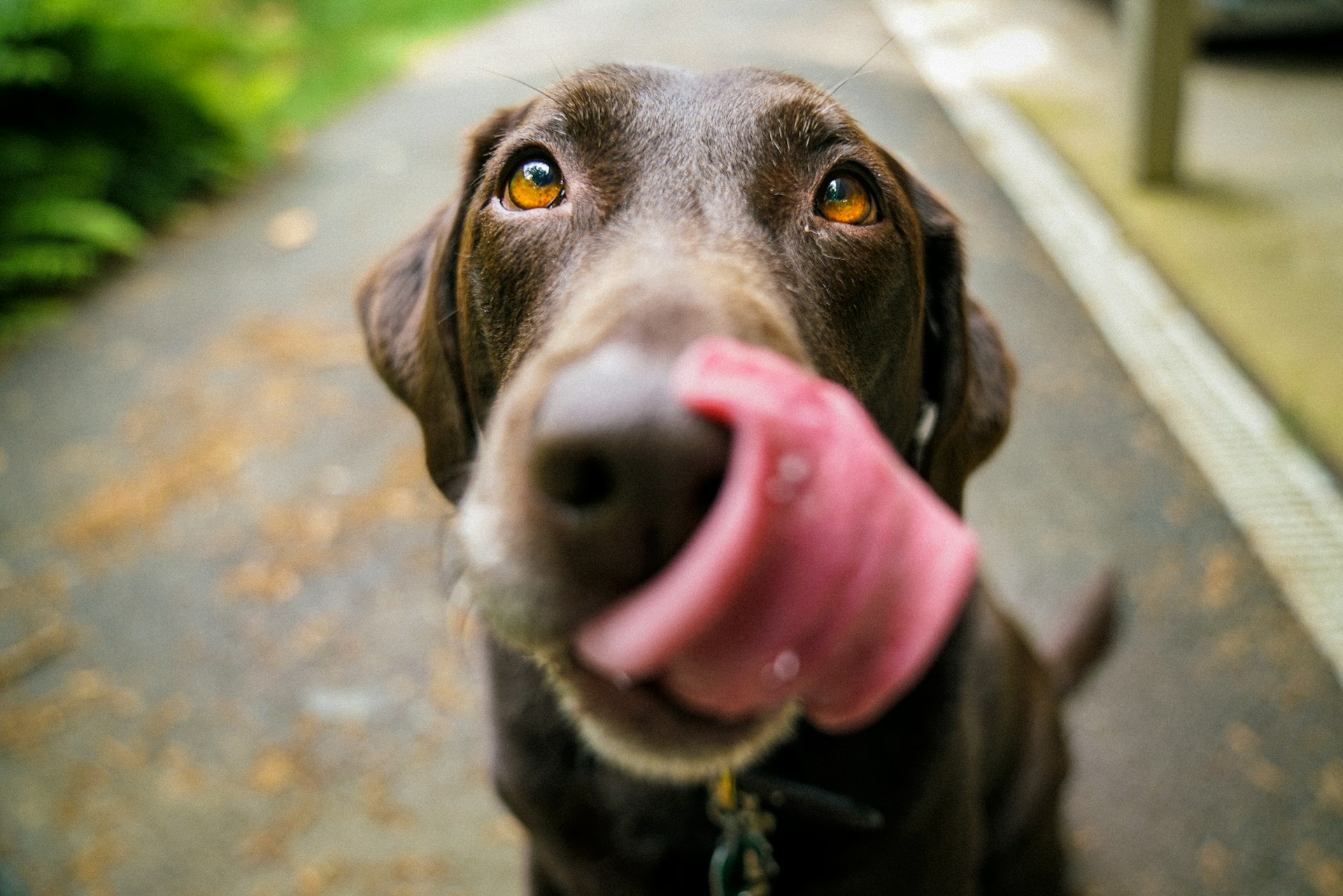
- Environmental Allergies: These are caused by allergens found in the pet's surroundings, such as pollen, dust mites, and mould spores.
- Food Allergies: Certain pet foods can trigger allergic reactions in pets, with common culprits including beef, chicken, dairy, and wheat.
- Contact Allergies: These occur when pets come into physical contact with an allergen, such as certain types of bedding, flea collars, or even some shampoos.
- Flea Allergy Dermatitis: This is an allergic reaction to flea bites, particularly to the flea's saliva.
Each type affects pets differently and understanding these can help pet owners seek the right treatment.
Real-life Impact of Allergies on Pets
Pets with allergies can exhibit a variety of symptoms, which can greatly affect their quality of life as well as that of their human families. Some common symptoms include:
- Excessive scratching or licking
- Red, inflamed skin
- Sneezing, coughing, or wheezing
- Runny or itchy eyes
- Ear infections
- Vomiting or diarrhoea (especially with food allergies)
For young pet owners, watching a beloved pet suffer from allergy symptoms can be distressing. Pets are often considered part of the family, and their discomfort can create a stressful environment at home. Moreover, managing a pet's allergies can also be time-consuming and costly, potentially leading to tough decisions about pet care budgets.
Practical Strategies to Manage Pet Allergies
Thankfully, there are several steps that young pet owners can take to help manage and treat their pet's allergies. Here are some practical strategies:
1. Identification and Avoidance
The first step in effectively managing pet allergies is to identify the allergen. This can be done through a process of elimination, especially with food allergies, or by visiting a veterinarian who can conduct allergy testing. Once the allergen is identified, efforts should be made to eliminate or reduce exposure to it.
2. Proper Diet and Nutrition
Feeding pets a balanced diet tailored to their specific needs can help alleviate and prevent allergic reactions. For pets with food allergies, hypoallergenic diets that avoid the offending allergens are essential. Always consult with a vet before making significant changes to a pet's diet.
3. Regular Bathing and Grooming
Frequent bathing can help remove environmental allergens from a pet's skin and fur. Use hypoallergenic or oatmeal-based shampoos recommended by your vet. Regular grooming, particularly for long-haired pets, can also help prevent the build-up of allergens in their fur.
4. Medications and Supplements
Depending on the severity of the allergies, a veterinarian may prescribe medications to control symptoms. These can include antihistamines, corticosteroids, or more advanced options like immunotherapy. Adding supplements such as omega-3 fatty acids to your pet's diet can also help improve their skin health and reduce allergic reactions.
5. Maintaining a Clean Environment
Keeping your home clean is crucial in managing environmental allergies. Vacuuming frequently, using air purifiers, and regularly washing your pet's bedding can significantly reduce the presence of allergens.
By implementing these strategies, young pet owners can create a more comfortable environment for their allergic pets, which can enrich the relationship between them and improve the overall health and happiness of their pets.
Conclusion
Allergies in pets can be challenging but understanding and proactive management can make a huge difference. It's important for pet owners, regardless of their age, to recognise the signs of allergies and take appropriate action. After all, our pets provide us with love and companionship; it's only right that we do our best to ensure their comfort and wellbeing.
How are you feeling?
It is really important that when we need help, we feel able to ask for it. This could be speaking to a parent, a close friend, a teacher or someone else you trust. Sometimes it can be really hard to share our feelings with other people but if we are feeling low or don't know where to turn, sharing with others is really important. Teachers will always take you seriously and listen to your problems in confidence if you approach them for help. Likewise, parents, siblings or friends will help you if you reach out to them.
If you feel like you can't speak to anyone you know, there are people and organisations that can help support you:
- Childline - Call them on 0800 1111 any time of the day or night, every day of the week
- NSPCC - Call them on 0808 800 5000 between 10am and 4pm Monday to Friday or email them on help@NSPCC.org.uk
- The Samaritans – Call them on 116 123 any time of the day or night, every day of the week
- SANE – Call 0300 304 7000 for support (4:30pm - 10:30pm every day)
- Mind – Call 0300 123 3393 (9:00am - 6:00pm Monday to Friday)
*Sometimes we will use real life examples in our articles to aid understanding. When we do, names and ages will be changed.
