

















Let's get started...
Understanding Cultural Diversity in Travel
travelling is more than just visiting new places; it's about experiencing different cultures, meeting new people, and expanding your worldview. Understanding and respecting cultural norms and practices can not only enrich your travel experience but also help in fostering global harmony. This awareness not only boosts your travel experiences but is also crucial in a world that's more interconnected than ever.
The Importance of Cultural Awareness
At its core, cultural awareness involves recognising the differences between cultures and accepting that these differences are as valid as your own cultural norms. When you travel, you are stepping into a community with its set of traditions and practices. Recognising and respecting these differences not only shows respect but can also save you from uncomfortable situations that may arise from cultural misunderstandings.
Real-Life Impacts of Cultural Understanding
For teenagers stepping out into the world, being culturally aware can transform travel experiences. Imagine going to Japan and knowing the proper etiquette of bowing, or understanding why certain colours might be inappropriate for wear during a visit to a country in mourning. Such knowledge can enhance personal interactions and deepen your understanding and appreciation of the place. Moreover, it can make the locals more welcoming and willing to share their heritage with you. This exchange benefits both the traveller and the host community, as it promotes a mutual understanding and respect.
Enhanced Personal Growth:
Cultural awareness pushes you out of your comfort zone and challenges your preconceived notions about the world. This can lead to significant personal growth, building your confidence and adaptability skills that are highly valued in today's global society.
Safety and Convenience:
Knowing cultural dos and don'ts can also keep you safe. For instance, being aware of and respecting local laws and regulations can prevent legal troubles. Additionally, understanding cultural norms can make daily interactions smoother and more pleasant.
Strategies for Cultivating Cultural Understanding
Here are some practical ways to enhance your cultural understanding before and during your travels:
Research Thoroughly Before You Go:
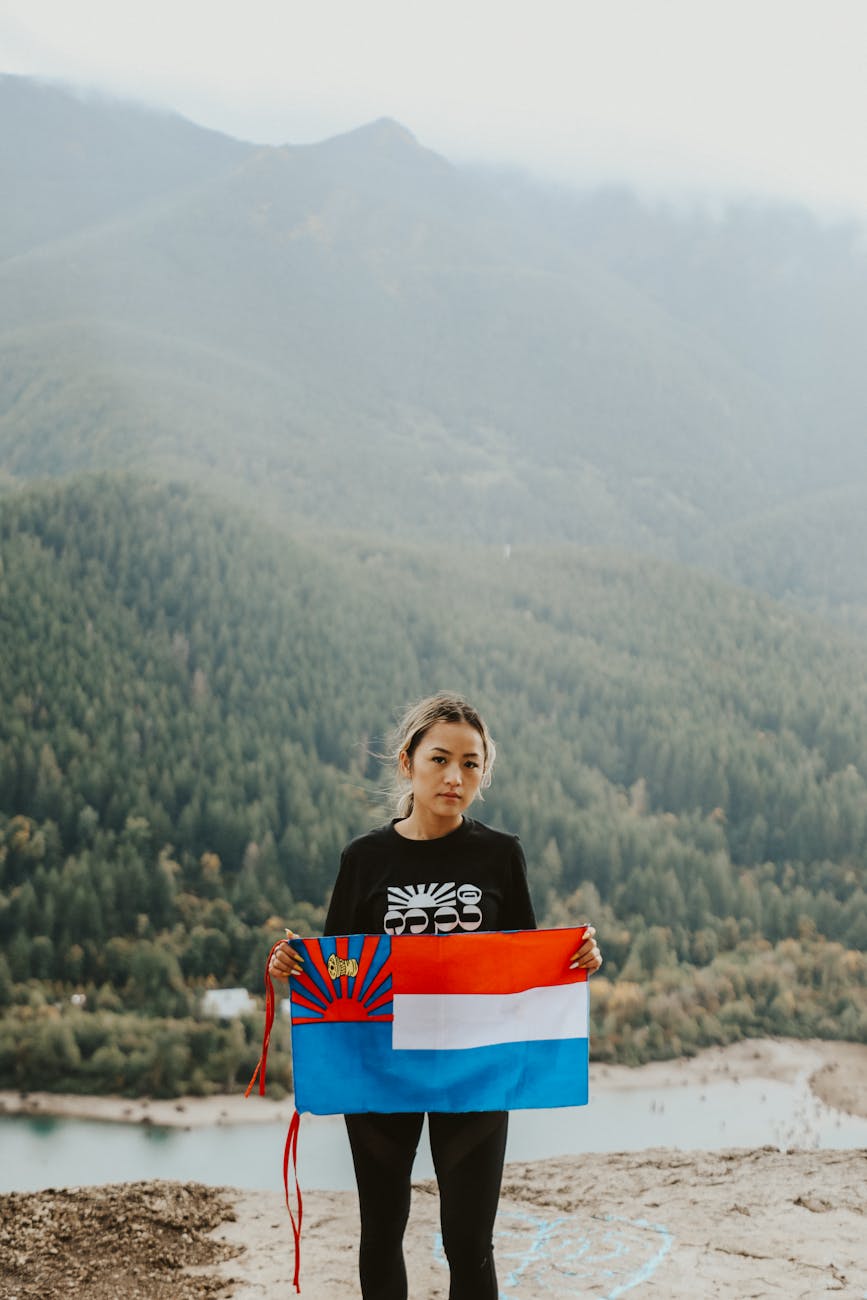
- Study the Basic Cultural Norms: Look up the basic do's and don'ts of the culture. This might include how people greet each other, dining etiquette, and appropriate dress codes.
- Learn Key Phrases: Knowing a few phrases in the local language can go a long way in showing respect and making connections. Even simple phrases like Hello, Please, and Thank you can make a difference.
- Understand Religious and Political Contexts: Be aware of the religious and political climates, as these can significantly affect cultural norms and interpersonal interactions.
Interact with Locals:
- Stay in Local Accommodations: Choose homestays or community-run lodges where interaction with local families is part of the experience.
- Participate in Local Activities: Engage in cultural activities or festivals, which can provide deep insights into local traditions and lifestyles.
- Be Open and Respectful: Approach interactions with humility and openness. Be curious and respectful, and listen actively.
Be Mindful and Observant:
- Observe Public Behaviours: Pay attention to how locals act in public spaces. This can teach you a lot about what is considered respectful or rude.
- Adapt and Emulate: If you see that certain behaviours are common, try to adapt to them. This shows your respect and willingness to integrate, even if it's just for a short while.
Taking Reflections and Sharing Experiences
After your trip, take the time to reflect on your experiences. What have you learned about the culture? How has it changed your perception? Sharing these reflections through blogs, social media or even casual conversations can inspire others to be culturally insightful. It can also enhance your memories and personal growth journey.
travelling is a privileged way to see the world beyond textbooks and hear stories beyond the news. Each trip you make shapes you a little more, adding layers to your identity and understanding. By being culturally aware, you not only enhance your personal journey but contribute positively to the global community.
So, as you pack your bags for your next adventure, remember to pack an open mind and respect it's the best travel gear you can carry.
How are you feeling?
It is really important that when we need help, we feel able to ask for it. This could be speaking to a parent, a close friend, a teacher or someone else you trust. Sometimes it can be really hard to share our feelings with other people but if we are feeling low or don't know where to turn, sharing with others is really important. Teachers will always take you seriously and listen to your problems in confidence if you approach them for help. Likewise, parents, siblings or friends will help you if you reach out to them.
If you feel like you can't speak to anyone you know, there are people and organisations that can help support you:
- Childline - Call them on 0800 1111 any time of the day or night, every day of the week
- NSPCC - Call them on 0808 800 5000 between 10am and 4pm Monday to Friday or email them on help@NSPCC.org.uk
- The Samaritans – Call them on 116 123 any time of the day or night, every day of the week
- SANE – Call 0300 304 7000 for support (4:30pm - 10:30pm every day)
- Mind – Call 0300 123 3393 (9:00am - 6:00pm Monday to Friday)
*Sometimes we will use real life examples in our articles to aid understanding. When we do, names and ages will be changed.
