
Let's get started...
Understanding Travel Vaccines: What They Are and Why They're Important
When you're dreaming about your next holiday destination, whether it's a bustling city in Europe, a tropical paradise in Asia, or an adventurous trek in South America, keeping healthy during and after your trip is crucial. This is where travel vaccines come into the equation. Travel vaccines, also known as travel immunisations, are shots travellers can get before visiting certain areas of the world that help protect them from serious illnesses that are either less common or not typically found in the United Kingdom.
The Basics of Travel Vaccines
Travel vaccines work by exposing your body to a small, safe part of a virus or bacteria, or a blueprint of the bacteria. This primes your body to defend against these potential threats, thereby preventing you from contracting certain diseases while abroad. Different parts of the world have different disease risks, so the vaccines you might need depend entirely on your destination.
For instance, if you're heading to certain parts of Africa or South America, you might need a Yellow Fever vaccine. Planning a trip to Southeast Asia? Your travel health clinic might recommend vaccines for Typhoid and Hepatitis A. The type of travel like backpacking, staying in hotels, or visiting rural areas can also influence the vaccines you should consider.
Why Are Travel Vaccines Important?
Travel vaccines are crucial for several reasons. Firstly, they protect you, the traveller, from contracting diseases that could spoil your trip or lead to long-term health issues. Secondly, they help prevent the spread of those diseases across international borders, safeguarding others. And lastly, in some cases, proof of certain vaccinations, such as the Yellow Fever vaccine, is required for entry into a country. This means without the necessary vaccinations; you might not even be allowed to travel to your destination.
Real-Life Impact of Travel Vaccines on Teenagers
As a teenager, travelling can be an eye-opening experience, offering a chance to learn about new cultures, languages, and environments. However, getting sick away from home can be particularly challenging and scary. Hence, travel vaccines are a key step in trip preparation. Not only do they reduce your risk of catching diseases, but they also ensure that your travel plans are not interrupted by health issues. Furthermore, being vaccinated can give you and your parents peace of mind knowing that you're protected as much as possible.
Practical Strategies for Managing Travel Vaccines
1. Plan Ahead
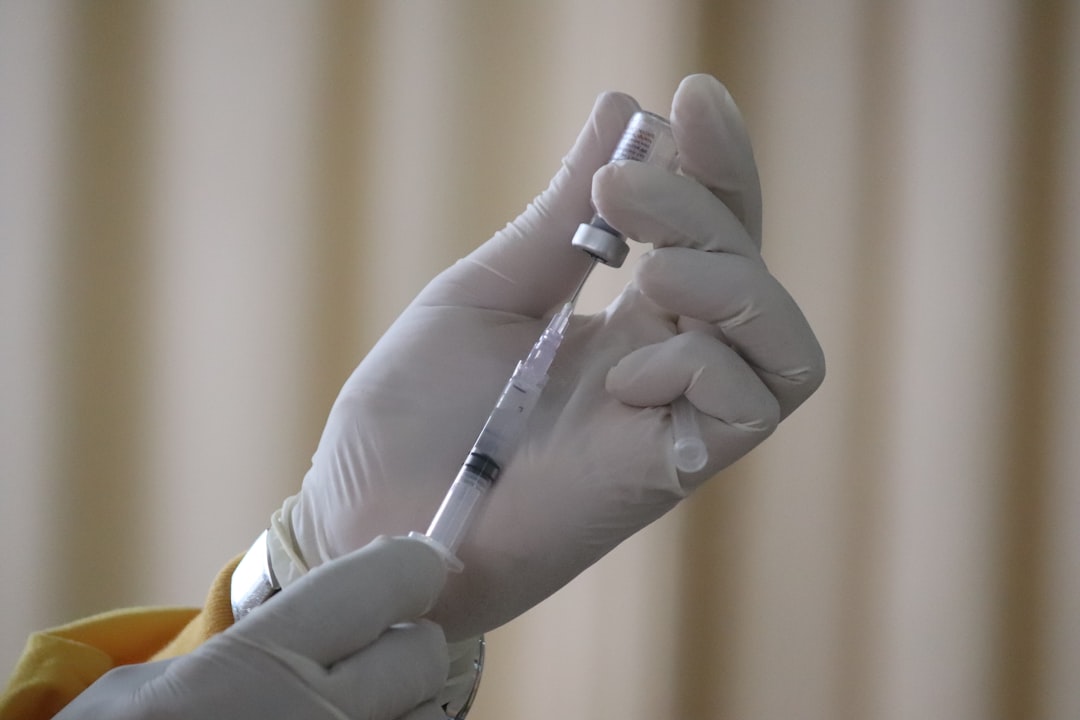
Many travel vaccines need to be given well in advance to allow your body to develop immunity. For instance, it's best to get the Hepatitis A vaccine at least 2 weeks before you travel. Some vaccines also require multiple shots spread out over several weeks or months. Make sure you consult a travel health clinic or your GP at least 8 weeks before your planned departure.
2. Research Your Destination
Before you go, spend some time researching the health risks associated with your intended travel destination. Websites like the National Travel Health Network and Centre (NaTHNaC) or the TravelHealthPro website provide up-to-date information on which vaccinations are recommended or required for different parts of the world.
3. Keep a Vaccination Record
Keep a detailed record of any vaccinations you receive. This can be crucial for future travel plans and for personal medical records. Sometimes, proof of vaccination is also necessary for entry into certain countries.
4. Follow a Healthy Lifestyle
In addition to getting vaccinated, maintaining a healthy lifestyle before, during, and after your trip can help strengthen your immune system. This includes eating well, staying hydrated, getting enough sleep, and following local public health advice.
5. Be Aware of Travel Notices and Updates
Regularly check for updates about your destination as travel advisories can change. Being aware of any new health risks can help you take additional precautions if necessary.
6. Consult with Health Professionals
If you're unsure which vaccines you need, or if you have special health considerations, speak to a healthcare professional who specialises in travel medicine. They can provide personalised advice based on your health history and travel itinerary.
Understanding and managing travel vaccines is a vital part of planning for international trips. By taking the necessary precautions and being well-prepared, you can ensure a safe and enjoyable travel experience. Ensure you discuss your travel plans with a healthcare professional to identify which vaccines are necessary for your destination. Stay informed, stay protected, and most importantly, enjoy your adventures to the fullest!
How are you feeling?
It is really important that when we need help, we feel able to ask for it. This could be speaking to a parent, a close friend, a teacher or someone else you trust. Sometimes it can be really hard to share our feelings with other people but if we are feeling low or don't know where to turn, sharing with others is really important. Teachers will always take you seriously and listen to your problems in confidence if you approach them for help. Likewise, parents, siblings or friends will help you if you reach out to them.
If you feel like you can't speak to anyone you know, there are people and organisations that can help support you:
- Childline - Call them on 0800 1111 any time of the day or night, every day of the week
- NSPCC - Call them on 0808 800 5000 between 10am and 4pm Monday to Friday or email them on help@NSPCC.org.uk
- The Samaritans – Call them on 116 123 any time of the day or night, every day of the week
- SANE – Call 0300 304 7000 for support (4:30pm - 10:30pm every day)
- Mind – Call 0300 123 3393 (9:00am - 6:00pm Monday to Friday)
*Sometimes we will use real life examples in our articles to aid understanding. When we do, names and ages will be changed.