

















Let's get started...
Understanding the Rules of Flying as a Teenager
If you're planning a trip or need to travel by air without your parents, you might be wondering about the specific rules that apply to passengers under the age of 18. Flying can be an exciting experience, but it is accompanied by a set of regulations aimed at ensuring the safety and well-being of young travellers. This article will discuss these rules, their implications, and practical tips to ensure a smooth flight.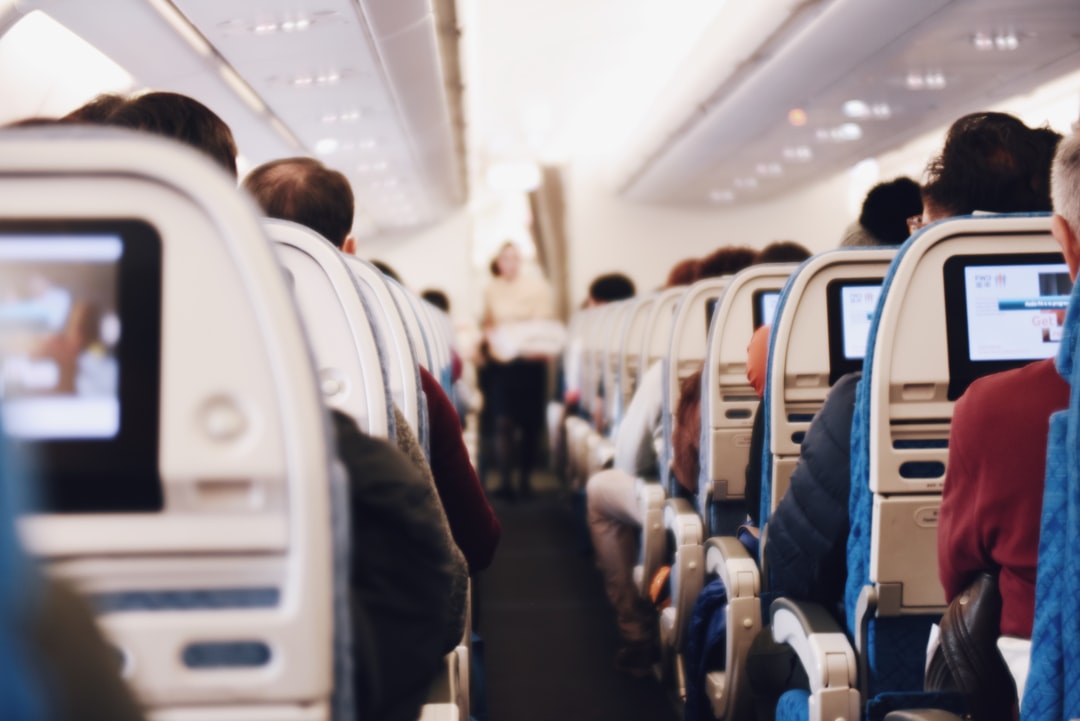
Travelling Alone or With An Adult?
The rules for flying vary depending on whether a teenager is flying alone or with an adult. Airlines differentiate between unaccompanied minors and young passengers travelling with someone over the age of 18. Typically, an unaccompanied minor is a child aged between 5 and 14 years old travelling without an adult, but many airlines extend these services up to age 17. For those flying alone who fall into the older age bracket (typically 15-17 years), airlines often offer an optional unaccompanied minor service, which provides extra supervision during the flight and in transit. This service usually involves additional fees and requires pre-booking. It ensures that the young person is looked after from check-in until they are handed over to the designated adult at the destination.Booking Your Flight
When booking a flight, you must consider each airline's specific policy regarding age. Some airlines allow teenagers aged 16 and over to fly alone without any special arrangements, while others may have stricter policies. It's essential to check these policies on the airline's website or by contacting them directly before booking.Documentation and Preparation
Before flying, ensure you have all the necessary documentation. This includes a valid passport, and possibly a visa, depending on your destination. If you are travelling alone under 18, it's also wise to carry a consent letter from a parent or guardian. This letter should state that you have permission to travel alone and include their contact details. Preparation goes beyond documentation. Be familiar with the check-in process, security procedures, and boarding. Knowing these can ease your travel anxiety significantly. Most airlines recommend arriving at the airport at least two hours before domestic flights and three hours for international flights.During the Flight
Once on board, comply with the airline staff's instructions and stay in your seat when required. If you need assistance, don't hesitate to ask the flight attendants. For longer flights, prepare yourself with all necessary comforts such as snacks, water, a travel pillow, and entertainment like books or movies loaded on to your iPad.Arrival and Beyond
Upon arriving at your destination, follow the signs to immigration and baggage claim. Keep your important documents handy for any checks. Once you collect your baggage, proceed to the exit where if you used an unaccompanied minor service, an airline representative will usually guide you to the agreed-upon contact person who will be waiting for you.Practical Strategies for Teenage Flyers
- Check Airline Policies: Each airline has different rules regarding flying under 18. Research and confirm these before booking your ticket.
- Prepare Your Documents: Always have your passport, potentially required visas, and a parental consent letter (if travelling alone).
- Arrive Early: Getting to the airport early can help alleviate the stress of rushing through check-in and security.
- Stay Informed: Keep tabs on your flight status through the airline's app or website, and be aware of what's required at your destination, particularly in terms of vaccinations or COVID-19 restrictions if still applicable.
- Plan for Emergencies: Have a plan if something goes wrong, like missing a connecting flight or losing a passport. Know who to contact and keep relevant phone numbers and addresses handy.
How are you feeling?
It is really important that when we need help, we feel able to ask for it. This could be speaking to a parent, a close friend, a teacher or someone else you trust. Sometimes it can be really hard to share our feelings with other people but if we are feeling low or don't know where to turn, sharing with others is really important. Teachers will always take you seriously and listen to your problems in confidence if you approach them for help. Likewise, parents, siblings or friends will help you if you reach out to them.
If you feel like you can't speak to anyone you know, there are people and organisations that can help support you:
- Childline - Call them on 0800 1111 any time of the day or night, every day of the week
- NSPCC - Call them on 0808 800 5000 between 10am and 4pm Monday to Friday or email them on help@NSPCC.org.uk
- The Samaritans – Call them on 116 123 any time of the day or night, every day of the week
- SANE – Call 0300 304 7000 for support (4:30pm - 10:30pm every day)
- Mind – Call 0300 123 3393 (9:00am - 6:00pm Monday to Friday)
*Sometimes we will use real life examples in our articles to aid understanding. When we do, names and ages will be changed.
