

















Let's get started...
Introduction to Budget Travel
Travelling opens up new horizons, offering you the chance to explore unfamiliar cultures, foods, and countries. However, the expense attached to travelling can often seem daunting, especially if you're managing your finances independently for the first time. Fortunately, there's a host of strategies you can employ to see the world without emptying your wallet.
Understanding the Costs of Travel
Before diving into the ways to save money while travelling, it's important to grasp the primary areas where expenses are incurred. Typically, the most significant costs are associated with transportation (flights, trains, buses), accommodation (hotels, hostels, Airbnb), meals, and activities. Each of these areas offers potential savings if approached wisely.
Money-Saving Strategies for Transportation
1. Opt for Overland Travel
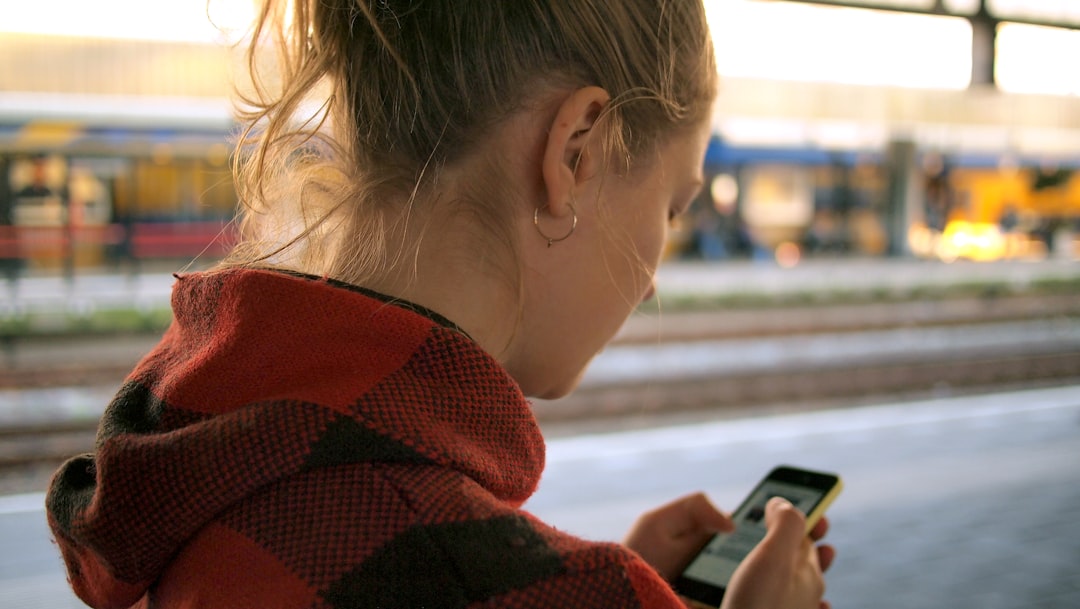
When feasible, choose buses or trains over flights. Not only can this significantly reduce your carbon footprint, but it's often a lot cheaper, especially in regions with good public transportation networks, like Europe or Asia. Services like Eurolines, Flixbus, and national railway networks offer extensive routes at competitive prices.
2. Use Flight Comparison Tools
When flying, use comparison websites like Skyscanner or Google Flights to secure the best deals. One key tip is to be as flexible as possible with your travel dates; flying mid-week or early in the morning can sometimes save you a substantial amount of money.
Reducing Accommodation Costs
1. Stay in Hostels
Hostels are not only among the cheapest forms of accommodation but are also fantastic places to meet other travellers. Platforms such as Hostelworld provide extensive listings with user reviews and ratings. Many hostels offer dormitory-style rooms, which are significantly cheaper than private rooms.
2. Consider Alternative Accommodations
Platforms like Airbnb or Couchsurfing can offer cheaper alternatives to traditional hotels. Couchsurfing allows you to stay with locals for free, providing a unique cultural exchange and saving you accommodation costs.
Saving on Food While travelling
Eating out for every meal can quickly eat into your travel budget. Opting to cook meals when you have access to a kitchen in a hostel or Airbnb can save money. When you do eat out, try to eat where locals eat. Not only is it cheaper, but it's also likely to be tastier and more authentic. Street food is a great option in many places, affordable and authentic.
Choosing Activities Wisely
Always look for free or discounted attractions. Many museums and historical sites have days when entry is free or discounted. Furthermore, simply exploring a city's parks, markets, and neighbourhoods can be both fulfilling and free.
Overall Tips and Tricks
1. Travel Off-Peak
Where possible, avoid travelling during school holidays or public holidays when prices typically spike. Shoulder seasons - the periods just before or after peak season - usually offer lower prices, fewer crowds, and still-enjoyable weather.
2. Plan and Budget
Use tools like spreadsheets or budgeting apps to track your spending and plan for major expenses. Knowing your limit's and expectations makes it easier to stick to your budget.
3. Student and Youth Discounts
If you're under 26, you might be eligible for various youth discounts. Always carry your student ID or consider investing in an ISIC card, which offers discounts on travel, accommodation, and activities worldwide.
4. Pack Smart
Avoid extra fees by ensuring your luggage complies with airline specifications for carry-on bags or checked baggage. Packing multifunctional, weather-appropriate clothing and minimising heavy or unnecessary items can save you stress and money.
Conclusion: Mastering the Art of Budget Travel
Travelling on a budget doesn't mean compromising on the quality of your experience. By making smart choices about how and when you spend your money, you can enjoy enriching travels without the hefty price tag. Embrace flexibility, research, and planning as your primary tools, and the world will open up to you more affordably than you ever imagined.
How are you feeling?
It is really important that when we need help, we feel able to ask for it. This could be speaking to a parent, a close friend, a teacher or someone else you trust. Sometimes it can be really hard to share our feelings with other people but if we are feeling low or don't know where to turn, sharing with others is really important. Teachers will always take you seriously and listen to your problems in confidence if you approach them for help. Likewise, parents, siblings or friends will help you if you reach out to them.
If you feel like you can't speak to anyone you know, there are people and organisations that can help support you:
- Childline - Call them on 0800 1111 any time of the day or night, every day of the week
- NSPCC - Call them on 0808 800 5000 between 10am and 4pm Monday to Friday or email them on help@NSPCC.org.uk
- The Samaritans – Call them on 116 123 any time of the day or night, every day of the week
- SANE – Call 0300 304 7000 for support (4:30pm - 10:30pm every day)
- Mind – Call 0300 123 3393 (9:00am - 6:00pm Monday to Friday)
*Sometimes we will use real life examples in our articles to aid understanding. When we do, names and ages will be changed.
