

















Let's get started...
Moving between two homes - an experience common among teenagers whose parents are separated or divorced - presents unique challenges. Shuttling between Mum and Dad's houses can feel like living two separate lives, each with its own rules and rhythms. Understanding and managing these transitions is essential not only for your emotional well-being but also for maintaining stable relationships with both parents.
The Dynamics of Divided Time
When your parents live apart, you might find yourself constantly adjusting to different house rules, routines, and even parenting styles. One home might be strict and structured, while the other is more relaxed. This can create a sense of instability and make it difficult for you to feel completely at ease in either place. Additionally, you may feel pressure to remain neutral, avoiding any semblance of favouring one parent over the other, further adding to the emotional strain.
Academic and Social Life Impact
Your academic and social life can also take a hit during this balancing act. Co-ordinating school work, after school activities, and friendships between two homes requires strong organisational skills. For example, having to remember which house you left your study materials at can cause not just academic stress but emotional distress as well, especially during your school years.
Strategies for Smoother Transitions
1. Establish Open Communication
Keep both parents in the loop regarding your feelings, struggles, and needs concerning the living arrangements. This can help them understand what you're going through and allow them to work together to make your life easier.
2. Create a Consistent Schedule
Having a predictable routine can reduce stress and help you feel more secure. Work with your parents to create a consistent, mutually agreed-upon schedule for living at each home. Knowing exactly when you'll be where can help provide a sense of stability.
3. Keep Essentials at Both Homes
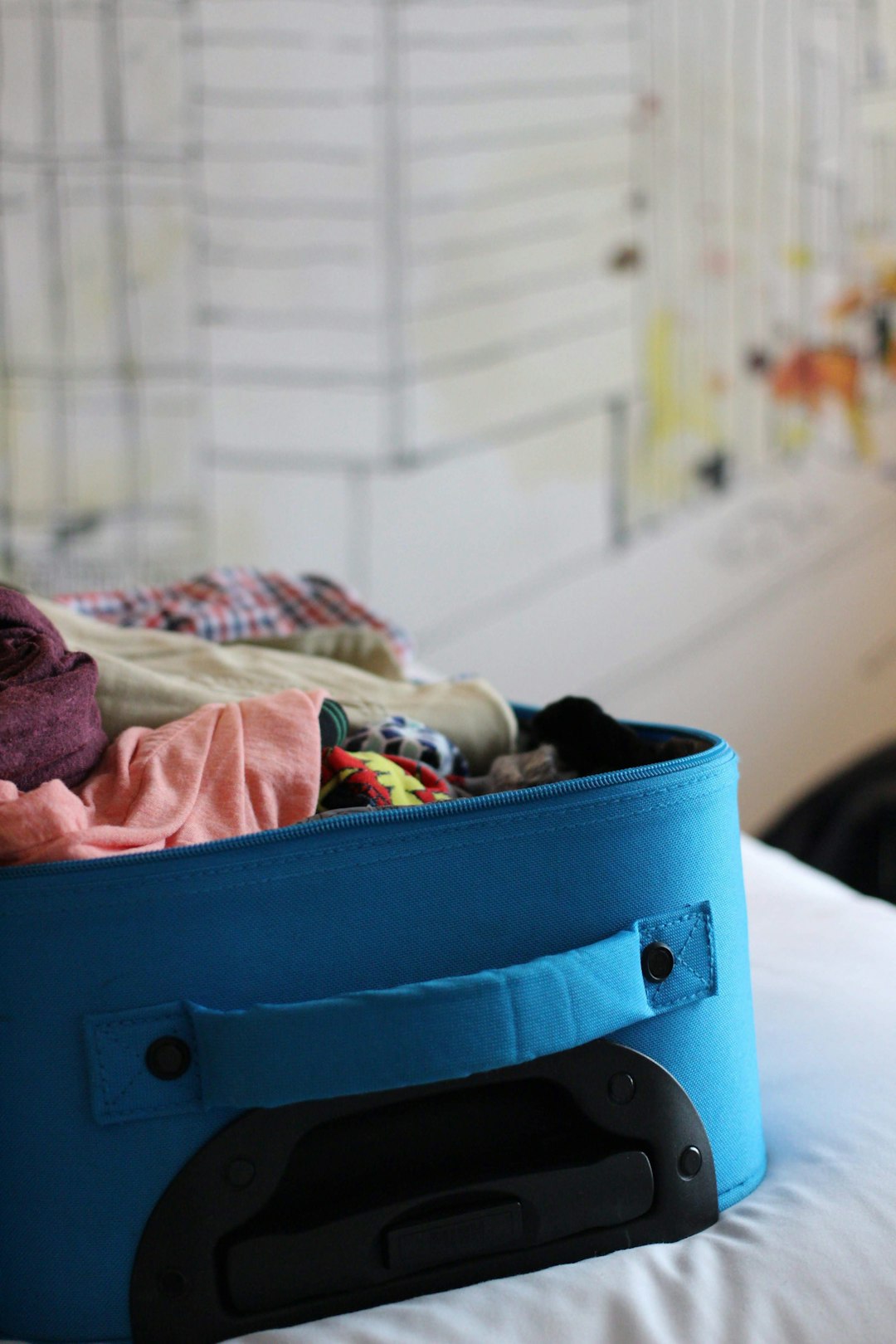
Minimise the hassle of moving personal belongings back and forth by keeping essentials like clothes, school supplies, and toiletries at both houses. This arrangement can lessen the chances of forgetting something important and provide a sense of belonging in both places.
4. Set Up Similar Rules in Both Homes
If possible, encourage your parents to standardise certain rules across both households. Consistency in key areas like homework, curfew times, and screen time can help you move more easily between each environment.
5. Develop Organisational Skills
Use tools like calendars, planners, and apps to keep track of your schedule, homework deadlines, and any extracurricular activities. Having a visual reminder of where you need to be and what you need to do can alleviate some of the chaos of living in two homes.
6. Foster Emotional Resilience
Dealing with parents living apart can be emotionally stressful. It might be beneficial to engage in activities that promote emotional resilience, such as mindfulness meditation, journaling, or speaking with a therapist or school counsellor.
7. Seek Social Support
Connect with friends or peer support groups where you can share your experiences and feelings. Knowing you're not alone in this situation can make a significant difference in how you handle the emotional ups and downs.
Maintaining Relationships With Both Parents
Your relationship with each parent doesn't need to suffer just because they don't live together. Spend quality time with each parent when you are at their home; engage in activities you both enjoy and make efforts to have open, honest conversations. This can help maintain a strong bond with both parents, despite the physical separation.
Growing up with parents living apart may never seem completely normal, but with time and the right preparation, you can make it a manageable part of your life. By developing strong communication skills, consistency in living arrangements, and emotional support mechanisms, you can thrive despite moving between two homes. Remember, how you handle this challenge not only affects your day-to-day life but also helps build resilience and adaptability that will benefit you long into the future.
How are you feeling?
It is really important that when we need help, we feel able to ask for it. This could be speaking to a parent, a close friend, a teacher or someone else you trust. Sometimes it can be really hard to share our feelings with other people but if we are feeling low or don't know where to turn, sharing with others is really important. Teachers will always take you seriously and listen to your problems in confidence if you approach them for help. Likewise, parents, siblings or friends will help you if you reach out to them.
If you feel like you can't speak to anyone you know, there are people and organisations that can help support you:
- Childline - Call them on 0800 1111 any time of the day or night, every day of the week
- NSPCC - Call them on 0808 800 5000 between 10am and 4pm Monday to Friday or email them on help@NSPCC.org.uk
- The Samaritans – Call them on 116 123 any time of the day or night, every day of the week
- SANE – Call 0300 304 7000 for support (4:30pm - 10:30pm every day)
- Mind – Call 0300 123 3393 (9:00am - 6:00pm Monday to Friday)
*Sometimes we will use real life examples in our articles to aid understanding. When we do, names and ages will be changed.
