

















Let's get started...
Having a sibling can be amazing someone to share jokes with, confide in, and grow up alongside. But lets be real: sometimes, siblings can also be frustrating, especially when they break something that belongs to you. Whether it's an accident or done out of carelessness, it can feel unfair and infuriating. If you're dealing with a sibling who has broken your stuff, you're probably wondering: what now?
This article will explore why siblings break things, how this can impact you as a young person, and most importantly how to handle the situation in a way that is fair and effective.
Why Do Siblings Break Your Stuff?
Before you jump to conclusions, it's worth considering why your sibling may have broken your belongings in the first place. Understanding their behaviour can help you decide on the best way to respond.
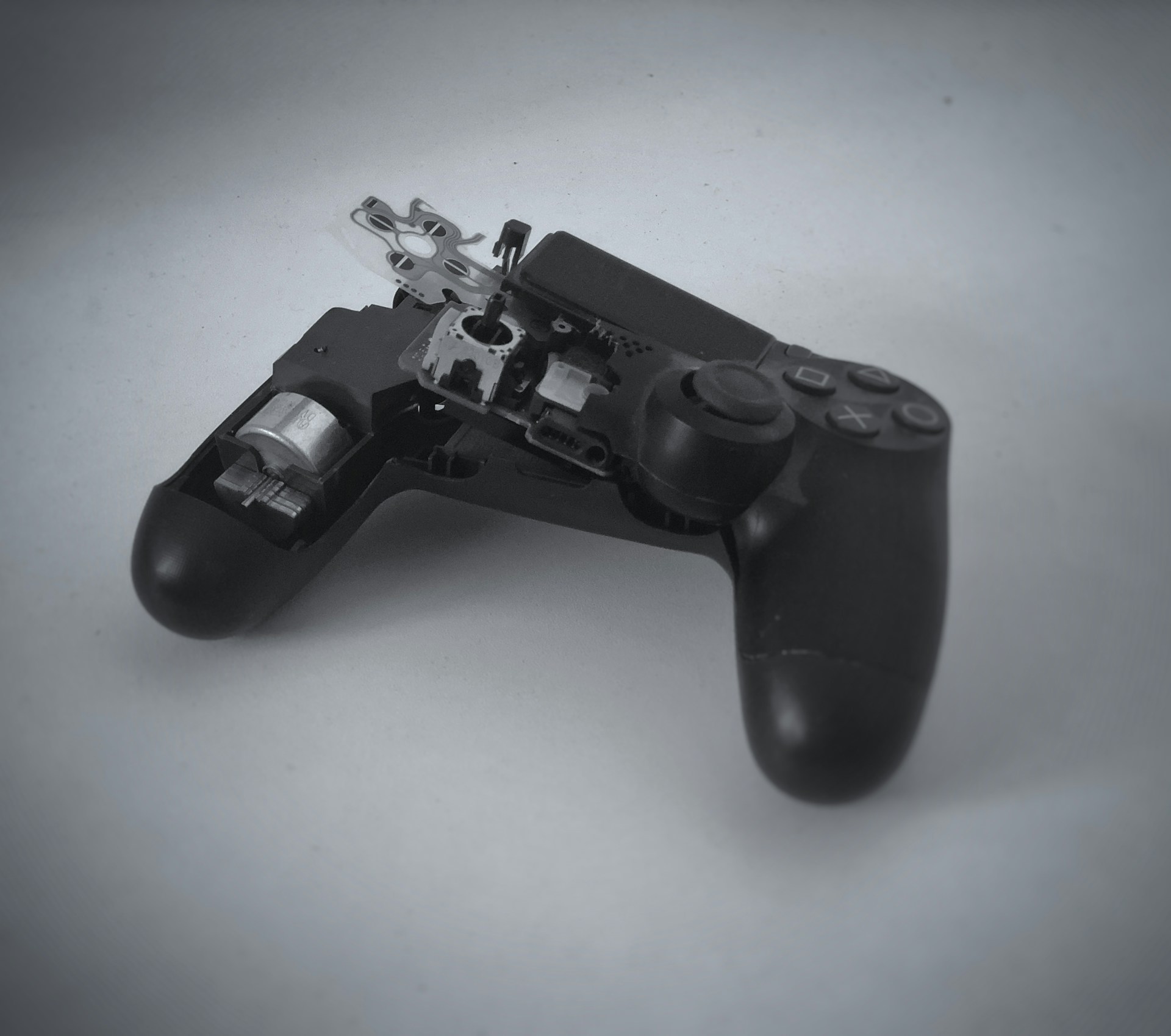
- Accidents Happen: Sometimes, younger siblings are just clumsy. They may not realise how fragile something is or may knock something over without meaning to.
- Jealousy: If your sibling feels like you get more attention, better gifts, or have cooler things, they might act out by damaging your possessions.
- Curiosity: Younger brothers or sisters might not understand boundaries and may touch or use your things out of curiosity, leading to breakages.
- Frustration or Revenge: If you've had an argument, your sibling may break something deliberately as a way to get back at you.
Regardless of the reason, the result is the same: your belongings are damaged or destroyed, and now you have to decide what to do next.
How This Can Impact You
It's easy for adults to dismiss this kind of thing as just sibling stuff, but when it happens to you, it can be upsetting and even stressful. Some of the effects might include:
- Frustration and Anger: If it was something valuable, sentimental, or brand new, you may feel incredibly annoyed and want to lash out.
- Loss of Trust: You might feel like you can't trust your sibling with your belongings or even with personal space.
- Stress: If it was something you needed for school, a hobby, or something expensive, you may worry about how to replace it.
- Conflict at Home: This can lead to arguments with your sibling, parents, and even other family members taking sides.
It's normal to feel upset when your things get broken. But instead of letting emotions take over, it's important to take steps to handle the situation in a way that works for you.
Practical Steps to Deal With the Situation
1. Stay Calm
The worst thing you can do is explode in anger. If you shout, swear, or start a fight, it only makes things worse. Take a deep breath, walk away if needed, and give yourself time to process what's happened before reacting.
2. Assess the Damage
Is the item completely destroyed, or is it something that can be fixed? If it's repairable, try to figure out the best way to fix it. If it's expensive, check if there's a warranty or guarantee.
3. Talk to Your Sibling
Once you're calm, talk to your sibling about what happened. Use I statements to avoid making them defensive. Instead of saying, You're so careless!, try:
- I feel upset that my headphones are broken because I use them every day.
- Id like to understand what happened so we can sort this out.
They might apologise, explain their side of things, or even offer to fix or replace it.
4. Ask for Compensation
If the item was valuable or important, it's fair to ask them to contribute towards fixing or replacing it. You could suggest:
- They use their pocket money to help replace it.
- They do chores in exchange for the cost.
- If they can't afford it now, they make up for it in another way, like helping you with something.
5. Get Parents Involved (If Necessary)
If your sibling refuses to take responsibility, it may be time to talk to your parents. Keep your approach reasonable explain the situation calmly and ask them for their advice or help in finding a solution.
6. Set Boundaries
If this is a repeat problem, you need to make sure it doesn't happen again. Some ways to set boundaries include:
- Keeping your valuable or fragile things in a safe place.
- Locking your room or asking for a designated space for your belongings.
- Making it clear to your sibling that they need to ask before touching your things.
7. Forgive and Move On
It's frustrating when someone breaks your stuff, but holding onto anger doesn't help. If your sibling has apologised or is making an effort to fix things, try to let it go. Forgiving them doesn't mean forgetting it just means you're choosing not to stay upset.
Preventing Future Problems
To avoid this happening again, think about ways to protect your things and improve your relationship with your sibling.
- Be clear about your boundaries if something is off-limits, say so.
- Keep breakable items in safe places.
- Have a conversation with your sibling about respect and responsibility.
- If your sibling is young, help them understand why certain things shouldn't be touched.
Most importantly, try to build a good relationship with your sibling. The better your bond, the less likely they are to do things out of spite or carelessness.
Final Thoughts
Having your stuff broken by a sibling is frustrating, but how you handle the situation can make all the difference. Stay calm, talk it out, and find a fair way to move forward. Whether it was an accident or done on purpose, the best response is one that helps you solve the problem without making things worse.
At the end of the day, siblings are part of your life for a long time. While they may annoy you sometimes, they're also the people who'll be there for you through a lot. Resolving issues with patience and communication will make your relationship stronger in the long run.
How are you feeling?
It is really important that when we need help, we feel able to ask for it. This could be speaking to a parent, a close friend, a teacher or someone else you trust. Sometimes it can be really hard to share our feelings with other people but if we are feeling low or don't know where to turn, sharing with others is really important. Teachers will always take you seriously and listen to your problems in confidence if you approach them for help. Likewise, parents, siblings or friends will help you if you reach out to them.
If you feel like you can't speak to anyone you know, there are people and organisations that can help support you:
- Childline - Call them on 0800 1111 any time of the day or night, every day of the week
- NSPCC - Call them on 0808 800 5000 between 10am and 4pm Monday to Friday or email them on help@NSPCC.org.uk
- The Samaritans – Call them on 116 123 any time of the day or night, every day of the week
- SANE – Call 0300 304 7000 for support (4:30pm - 10:30pm every day)
- Mind – Call 0300 123 3393 (9:00am - 6:00pm Monday to Friday)
*Sometimes we will use real life examples in our articles to aid understanding. When we do, names and ages will be changed.
