

















Let's get started...
Sibling relationships can be some of the most rewarding and challenging connections you'll experience. From sharing childhood memories to enduring inevitable arguments, having siblings can shape your life in unique ways. While the bond with your brother or sister might seem frustrating at times, learning to manage these relationships effectively is a valuable skill that will benefit you well into adulthood. For young people, particularly teenagers, sibling dynamics can feel overwhelming. Whether it's competing for attention, clashing personalities, or disagreements over shared spaces, the friction can sometimes seem endless. However, understanding how to navigate these challenges can turn sibling conflicts into opportunities for personal growth and stronger bonds.Why Sibling Relationships Matter
As a teenager, your interactions with your siblings may feel trivial or frustrating, but they play an important role in shaping your emotional intelligence and social skills. Siblings often serve as your first peers. Through them, you learn about sharing, negotiation, and conflict resolution. These lessons are crucial for forming healthy relationships outside the family. That said, the realities of sibling relationships can be tough. Arguments, feelings of jealousy, and even occasional hostility are normal. Addressing these issues head-on can help you create a more harmonious family environment and reduce stress in your day-to-day life.10 Tips to Help You Deal With Siblings
Here are some practical strategies to help you improve your relationship with your siblings: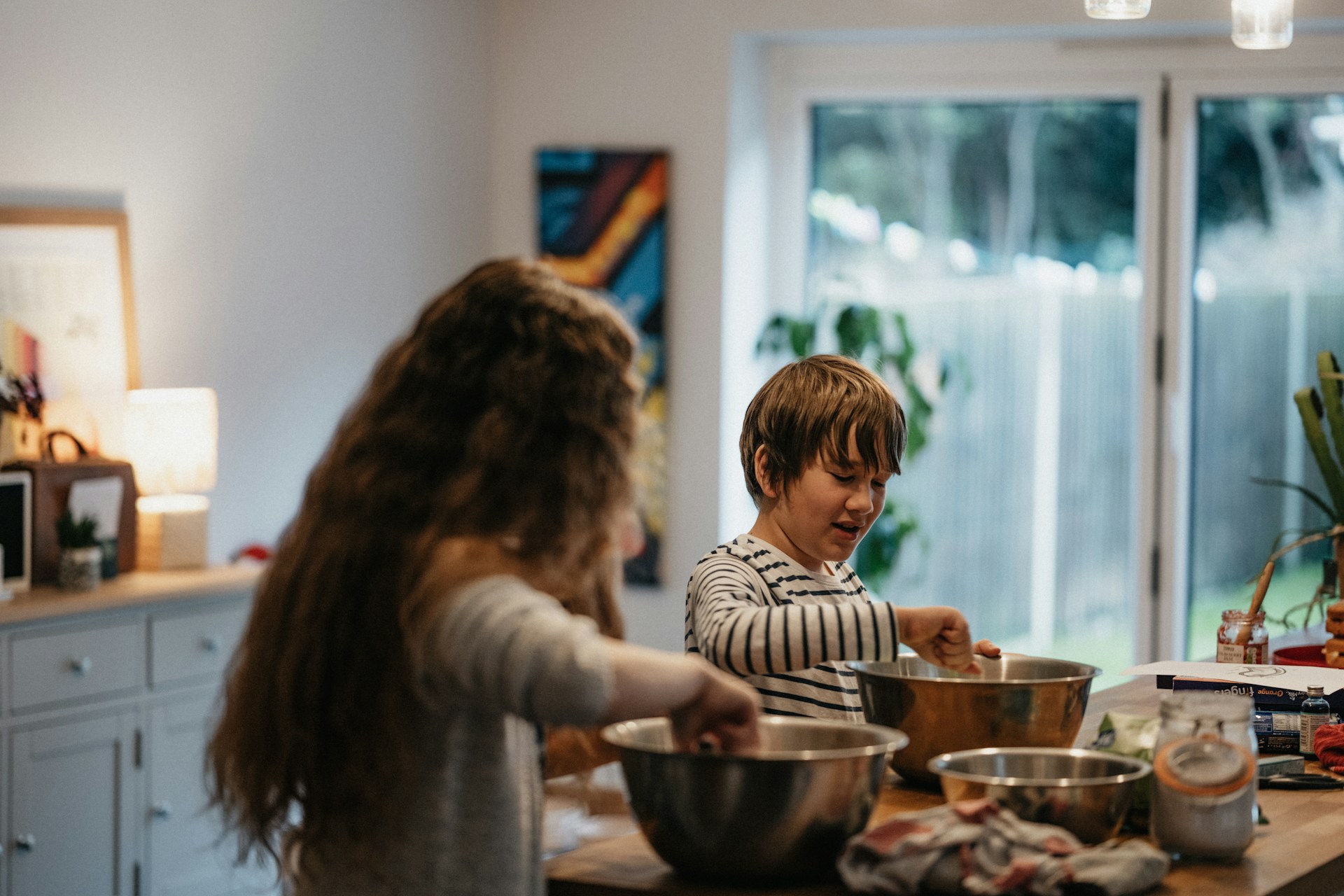
1. Communicate Openly
Good communication is the foundation of any healthy relationship. Talk to your siblings about how you're feeling and encourage them to share their thoughts too. Avoid bottling up frustrations, as this can lead to bigger conflicts later on.2. Set Boundaries
It's important to establish personal boundaries with your siblings. If they tend to invade your space or borrow your things without asking, calmly explain why it bothers you and agree on clear rules that respect both of your needs.3. Pick Your Battles
Not every disagreement is worth a fight. Learn to let go of minor annoyances and focus on resolving more significant issues. This will help reduce unnecessary tension and make your interactions more positive overall.4. Practice Empathy
Try to see things from your sibling's perspective. Understanding why they act the way they do can help you respond more kindly and patiently. Empathy fosters stronger connections and reduces resentment.5. Spend Quality Time Together
Even if you often argue, finding ways to bond with your siblings can improve your relationship. Watch a movie, play a game, or try a new activity together. Shared positive experiences can help you build better memories and deepen your bond.6. Share Responsibilities
Arguments about chores and responsibilities are common among siblings. Work together to divide tasks fairly and hold each other accountable. This teamwork can reduce conflicts and promote mutual respect.7. Avoid Comparisons
Comparing yourself to your siblings, or being compared by others, can breed resentment. Focus on your unique strengths and encourage your siblings to do the same. Celebrate each other's achievements rather than competing for approval.8. Manage Jealousy
It's natural to feel jealous at times, especially if you think your sibling is getting more attention or praise. Instead of letting jealousy consume you, talk to your parents or a trusted adult about your feelings. They can help address any concerns fairly.9. Learn Conflict Resolution Skills
Disagreements are inevitable, but how you handle them makes all the difference. Practice active listening, stay calm, and work towards compromises. Avoid yelling or making hurtful comments, as this will only escalate the conflict.10. Seek Support When Needed
If sibling conflicts are causing significant stress, don't hesitate to seek help. Talk to your parents, teachers, or a school counsellor for advice. They can provide perspective and help you find solutions.Real-Life Impact of Healthy Sibling Relationships
Improving your relationship with your siblings isn't just about avoiding arguments, it can profoundly impact your overall well-being. A supportive sibling bond can boost your confidence, provide emotional support during tough times, and teach you skills like patience and compromise. On the flip side, unresolved sibling conflicts can add unnecessary stress to your life. For teenagers managing school, friendships, and personal growth, strained relationships at home can be particularly draining. By taking steps to improve your sibling interactions, you'll not only create a more peaceful home environment but also enhance your ability to manage relationships outside your family.Final Thoughts
Dealing with siblings can be challenging, but it's also an opportunity to grow as a person. By applying these tips and focusing on building a stronger connection, you can transform your sibling relationship into one of mutual support and understanding. Remember, it's okay to ask for help if things feel overwhelming. With patience and effort, you can turn sibling struggles into stepping stones for a brighter future.How are you feeling?
It is really important that when we need help, we feel able to ask for it. This could be speaking to a parent, a close friend, a teacher or someone else you trust. Sometimes it can be really hard to share our feelings with other people but if we are feeling low or don't know where to turn, sharing with others is really important. Teachers will always take you seriously and listen to your problems in confidence if you approach them for help. Likewise, parents, siblings or friends will help you if you reach out to them.
If you feel like you can't speak to anyone you know, there are people and organisations that can help support you:
- Childline - Call them on 0800 1111 any time of the day or night, every day of the week
- NSPCC - Call them on 0808 800 5000 between 10am and 4pm Monday to Friday or email them on help@NSPCC.org.uk
- The Samaritans – Call them on 116 123 any time of the day or night, every day of the week
- SANE – Call 0300 304 7000 for support (4:30pm - 10:30pm every day)
- Mind – Call 0300 123 3393 (9:00am - 6:00pm Monday to Friday)
*Sometimes we will use real life examples in our articles to aid understanding. When we do, names and ages will be changed.
