
Let's get started...
Understanding the Impact of Daily Weigh-Ins
Weight is a common concern for many, including teenagers, who are constantly bombarded by media images of ideal body types. It's natural to want to keep track of your weight, but how often should you do this? Weighing yourself every day is an issue worth exploring, particularly because the scales can tell a complex story about your body.
The Background: Why Do We Weigh Ourselves?
Tracking weight can be motivating for some, helping them maintain a healthy lifestyle or reach fitness goals. However, it's crucial to understand that body weight fluctuates naturally for various reasons including water retention, muscle gain, and where your body is in its natural cycles.
Real-Life Impact for Teenagers
As a teenager, your body is going through numerous changes. Hormonal shifts, growth spurts, and changes in body composition are all a part of growing up. Daily weigh-ins can be misleading and may impact your emotional and psychological health. Frequent checking can lead to an unhealthy obsession, or skew your self-image, especially if you perceive any weight gain negatively.
Psychological studies highlight that fixating on daily changes in weight can lead to unnecessary stress and can distort one's body image, potentially leading to eating disorders such as anorexia or bulimia. This is particularly crucial during your teenage years when long-term patterns regarding body image and methods of self-evaluation are established.
Practical Strategies for Healthy Weight Management
If you're considering weighing yourself regularly, here's how you can do so in a healthy manner:
1. Set a Regular, but Not Daily, Schedule
- Choose Specific Days: Weigh yourself once a week or even less frequently. This reduces day-to-day variability and gives a more accurate picture of your actual weight trend.
- Stick to the Same Time: Ideally, weigh yourself at the same time of day, under the same conditions, such as in the morning after you've been to the bathroom.
2. Focus on Positive Motivations
- Goal Setting: Set health-based goals rather than weight-based ones. For example, aim to improve your strength, endurance, or overall wellness.
- Keep a Journal: Tracking your progress in a journal can also incorporate how you feel each day, tying in emotional health with physical health.
3. Understand the Factors Influencing Your Weight
realise that body weight is influenced by various factors. Educating yourself about these can decrease the stress related to daily weight fluctuations:
- Water Retention: This can cause weight fluctuations of several pounds in a single day. Factors include your dietary intake, especially salt and carbohydrates, hydration level, and hormones.
- Muscle Gain: If you are exercising regularly, you might be gaining muscle, which is denser than fat. This can sometimes result in weight gain on the scales, even as you are slimming down or firming up.
4. Use Other Methods to Measure Health
- Body Composition Tests: These can offer more insights than regular scales. They can measure how much muscle, fat, and overall mass you have.
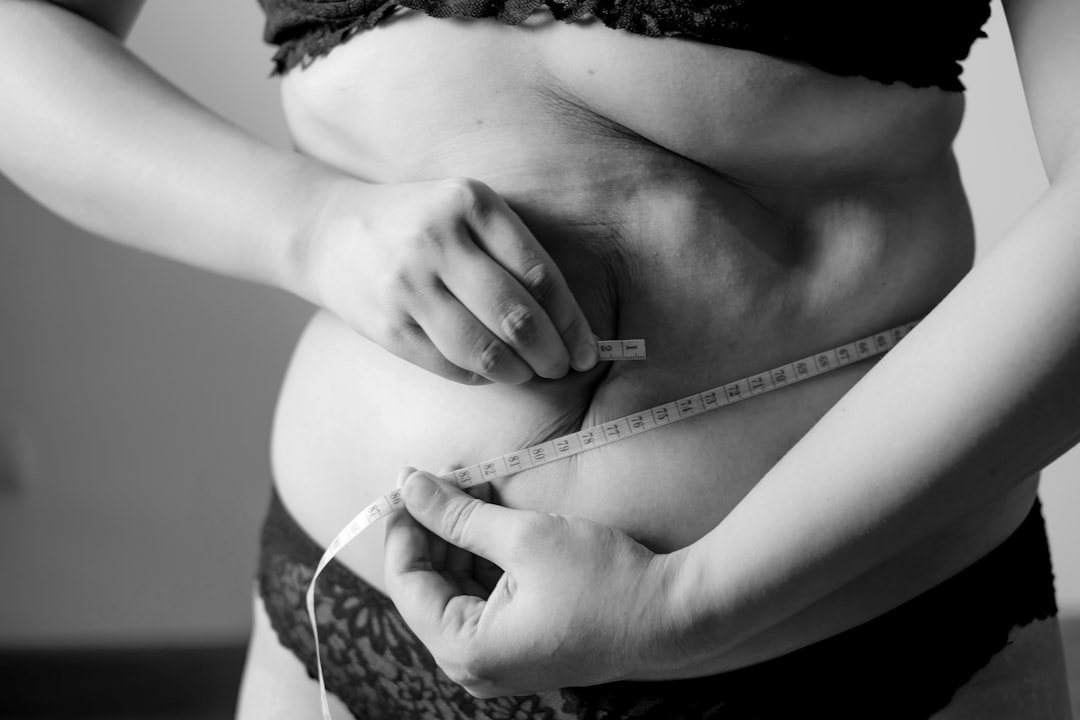
- Measurement of Waist, Hips, and Other Areas: Regular measurements can tell you more about how your body is changing rather than just how much it weighs.
- Fitness Levels: Improved stamina, strength, and flexibility are also indicators of good health.
Constantly seeing your weight can trigger a range of emotions, not all of them helpful. It's important to approach weight measurement with a clear understanding of what it can and cannot tell you about your health.
Summary
In conclusion, while it's tempting to want regular updates on your progress by weighing yourself every day, it's more beneficial to do so occasionally. This less frequent schedule not only provides a more accurate reflection of your true weight changes over time but also ensures that your self-esteem and body image are not tied down to daily fluctuations in your weight. Foster a holistic and healthy attitude towards your body by recognising the various factors that affect weight and focusing on overall well-being rather than numbers on a scale.
How are you feeling?
It is really important that when we need help, we feel able to ask for it. This could be speaking to a parent, a close friend, a teacher or someone else you trust. Sometimes it can be really hard to share our feelings with other people but if we are feeling low or don't know where to turn, sharing with others is really important. Teachers will always take you seriously and listen to your problems in confidence if you approach them for help. Likewise, parents, siblings or friends will help you if you reach out to them.
If you feel like you can't speak to anyone you know, there are people and organisations that can help support you:
- Childline - Call them on 0800 1111 any time of the day or night, every day of the week
- NSPCC - Call them on 0808 800 5000 between 10am and 4pm Monday to Friday or email them on help@NSPCC.org.uk
- The Samaritans – Call them on 116 123 any time of the day or night, every day of the week
- SANE – Call 0300 304 7000 for support (4:30pm - 10:30pm every day)
- Mind – Call 0300 123 3393 (9:00am - 6:00pm Monday to Friday)
*Sometimes we will use real life examples in our articles to aid understanding. When we do, names and ages will be changed.