

















Let's get started...
Understanding the Impacts of Rapid Weight Loss
Weight loss is a common goal for many teenagers, whether for health, fitness, or aesthetic reasons. Often, there's a push to achieve these goals as quickly as possible, influenced by social media trends, peer pressure, and sometimes even misconceptions about health. But is losing weight too quickly really a good idea? Understanding the consequences of rapid weight loss can help make more informed decisions about your health and body.
What Happens When You Lose Weight Too Quickly?
Rapid weight loss, often defined as losing more than 2 pounds a week, can happen through extreme dieting, excessive exercise, or a combination of both. At first glance, seeing quick results can feel rewarding and motivating. However, this rate of weight loss can have a variety of health implications.
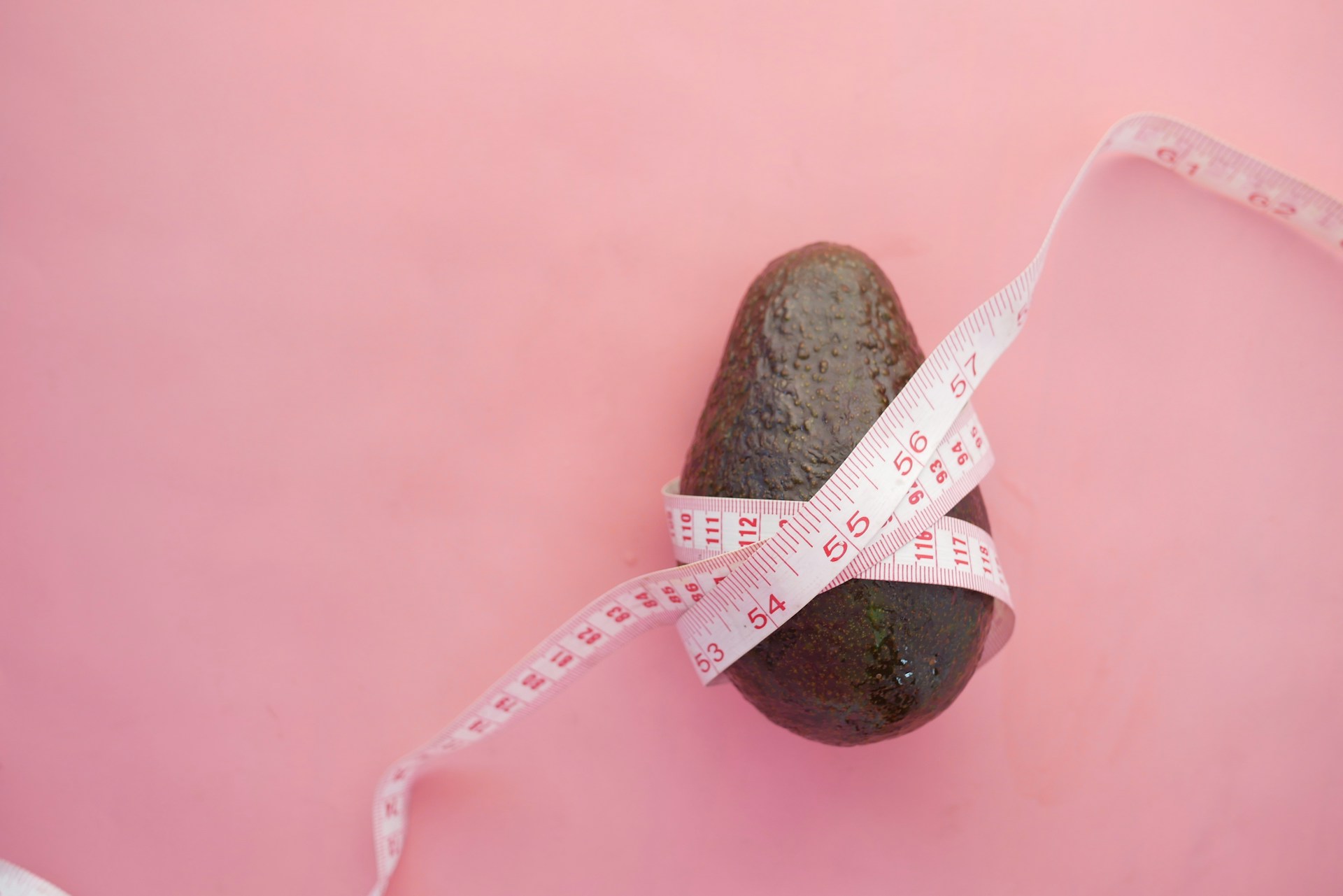
1. Nutritional Deficiencies
When you drastically cut calories, you may miss out on essential nutrients. Vitamins and minerals are vital for normal body functions, including growth, and bone health crucial aspects for any teenager. Without proper nutrition, you might face issues like fatigue, weakened immunity, and long-term health complications, including anaemia or osteoporosis.
2. Muscle Loss
When you lose weight very quickly, not all of it comes from fat. A significant amount can also come from muscle mass. Muscles are important not only for movement and strength but also for your metabolism. Losing muscle can slow down your metabolic rate, making it harder to lose weight in the long run and easier to gain it back.
3. Gallstones
Gallstones are a lesser-known but potential serious side effect of rapid weight loss. They form when your bile contains too much cholesterol or not enough bile salts, which can happen due to diet changes or significant fat breakdown. This can lead to severe pain, nausea, and sometimes the need for surgical intervention.
4. Psychological Effects
Rapid weight loss can also affect your mental health. It may increase feelings of stress, anxiety, and irritability. Moreover, if the rapid loss isn't sustainable and you regain weight, it can lead to feelings of failure or disappointment. For some, this can also trigger disordered eating habits, a serious concern for teenagers.
Strategies for Healthy Weight Management
Concerned about your weight but want to handle it responsibly? Here are some practical steps to ensure you lose weight healthily, maintaining your physical and mental well-being:
1. Take It Slow
Focus on losing 1 to 2 pounds per week. This pace allows you to cut calories sufficiently without sacrificing nutrition. You can achieve this deficit through a combination of moderate dietary changes and increased physical activity.
2. Eat Balanced Meals
Ensure your diet includes a variety of foods. Balance your intake of carbohydrates, proteins, and fats to get a comprehensive range of nutrients. Include lots of fruits and vegetables, lean proteins, whole grains, and healthy fats to keep your body nourished.
3. Stay Active
Exercise is crucial not just for weight loss but also for overall health. Incorporate both cardio (like swimming, running, or cycling) and strength training into your routine. This helps burn calories and builds muscle, boosting your metabolism.
4. Consult Professionals
If you're unsure about how to start losing weight healthily or if you find the process overwhelming, speak to a healthcare provider or a dietitian. They can provide personalised guidance based on your specific needs and health conditions.
5. Set Realistic Goals
Setting achievable goals can help maintain motivation without putting undue stress on yourself. Celebrate small milestones in your journey, which can provide a big boost to your self-esteem and encourage you to continue.
Remember, weight is just one aspect of a healthy body. The number on the scale doesn't define your worth or capabilities. Focusing solely on weight can derail you from focusing on other important aspects of health, like strength, flexibility, mental health, and endurance.
Conclusion
Losing weight too quickly can be tempting, especially when you're looking for quick results. However, the risks associated with rapid weight loss ranging from nutritional deficiencies and muscle loss to psychological impacts can outweigh the benefits. By adopting a more gradual approach to weight loss, you ensure a healthier, more sustainable journey toward your physical and mental health goals. Remain patient with your progress, and more importantly, focus on overall well-being rather than just numbers on a scale.
How are you feeling?
It is really important that when we need help, we feel able to ask for it. This could be speaking to a parent, a close friend, a teacher or someone else you trust. Sometimes it can be really hard to share our feelings with other people but if we are feeling low or don't know where to turn, sharing with others is really important. Teachers will always take you seriously and listen to your problems in confidence if you approach them for help. Likewise, parents, siblings or friends will help you if you reach out to them.
If you feel like you can't speak to anyone you know, there are people and organisations that can help support you:
- Childline - Call them on 0800 1111 any time of the day or night, every day of the week
- NSPCC - Call them on 0808 800 5000 between 10am and 4pm Monday to Friday or email them on help@NSPCC.org.uk
- The Samaritans – Call them on 116 123 any time of the day or night, every day of the week
- SANE – Call 0300 304 7000 for support (4:30pm - 10:30pm every day)
- Mind – Call 0300 123 3393 (9:00am - 6:00pm Monday to Friday)
*Sometimes we will use real life examples in our articles to aid understanding. When we do, names and ages will be changed.
