

















Let's get started...
A Guide for Teenagers Considering Incorporating Meat Back into Their Diet
Deciding to reintroduce meat into your diet after a period of vegetarianism or veganism is a personal choice that can arise from various factors be it health-related issues, dietary needs, or a changing perspective on food. Whatever your reasons, it's important to approach this transition thoughtfully and responsibly.
Understanding the Motivations Behind Your Decision
Firstly, it's essential to reflect on why you adopted a meat-free diet in the first place. Was it for environmental reasons, ethical concerns, health issues, or perhaps social influences? Understanding your initial motivations can help you weigh them against your current reasons for wanting to eat meat again. This kind of introspection ensures that your decision aligns with your current beliefs and lifestyle.
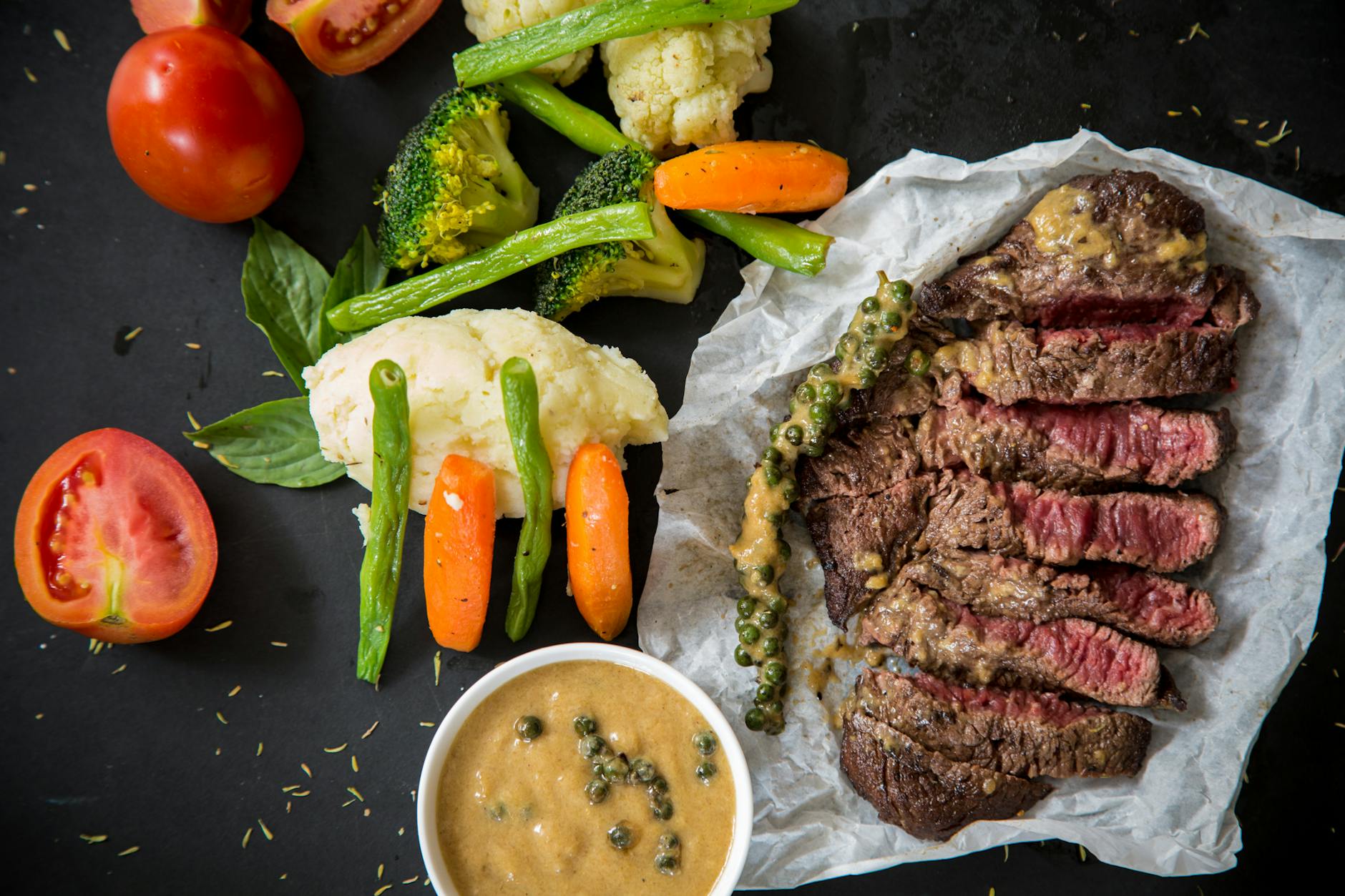
Health Considerations
For some, the decision to return to eating meat stems from nutritional issues. Perhaps you've been advised by a healthcare provider to increase your intake of iron, Vitamin B12, or proteins, which are abundant in meat. Before you make any changes, it's a good idea to get a professional opinion. A doctor or dietitian can provide guidance based on your specific health needs.
The Impact of Reintroducing Meat on Your Life
Changing your diet can significantly impact your physical health, mental well-being, and even your social life. Here are some aspects to consider:
Physical Health Changes
Introducing meat back into your diet can alter your body's functioning. For instance, meat contains higher levels of protein and certain nutrients than most plant-based sources. However, it is also dense in cholesterol and saturated fats, which can affect your heart health if consumed in excess. Therefore, understanding portions and types of meat is crucial.
Mental and Emotional Well-being
If your vegetarianism or veganism was initially driven by ethical or environmental concerns, you might experience feelings of guilt or conflict about your decision. It's important to acknowledge these feelings and perhaps discuss them with someone who understands your situation, like a friend, a family member, or a counsellor.
Social Dynamics
Diet often influences social interactions, especially when dining out or sharing meals with others. Changing your dietary habits might alter your social dynamics, especially if many of your friends or family are committed vegetarians or vegans. Consider how this change might affect your relationships and be prepared to discuss your reasons and approach with them.
How to Reintroduce Meat Responsibly and Healthily
Once you have decided to reintroduce meat into your diet, doing so in a healthy and responsible way is pivotal. Here are some practical strategies to help you transition smoothly:
Start Slowly
Begin with small portions of lean meats like chicken or turkey. Introducing meat gradually helps your digestive system adjust to the new enzymes needed to break down the protein and fat in meat. It can also prevent digestive discomfort such as bloating or indigestion.
Quality Over Quantity
Choose high-quality, sustainably sourced meats. Opt for organic, grass-fed varieties when possible, as these are typically lower in antibiotics and hormones and higher in certain nutrients. Although these options might be more expensive, they are generally healthier and more ethical.
Balanced Meals
Maintain a balanced diet. Ensure your diet contains a variety of foods, including fruits, vegetables, grains, and meats. A balanced diet helps cover all micronutrients and supports overall health.
Monitor Your Body's Response
Pay attention to how your body reacts to reintroducing meat. Note any digestive issues or changes in energy levels and adjust your intake accordingly. If problems persist, consult with a healthcare professional.
Conclusion
Deciding to reintroduce meat into your diet is a significant decision that should be approached with careful consideration of your health, ethics, and personal beliefs. By understanding your motivations, assessing the impacts, and strategising how to reintroduce meat healthily, you can ensure that your transition is as smooth and positive as possible.
Remember, dietary choices are personal and can change as your lifestyle, beliefs, and health needs evolve. What's important is that you feel confident and comfortable with your diet, ensuring it aligns with your current life phase and values.
How are you feeling?
It is really important that when we need help, we feel able to ask for it. This could be speaking to a parent, a close friend, a teacher or someone else you trust. Sometimes it can be really hard to share our feelings with other people but if we are feeling low or don't know where to turn, sharing with others is really important. Teachers will always take you seriously and listen to your problems in confidence if you approach them for help. Likewise, parents, siblings or friends will help you if you reach out to them.
If you feel like you can't speak to anyone you know, there are people and organisations that can help support you:
- Childline - Call them on 0800 1111 any time of the day or night, every day of the week
- NSPCC - Call them on 0808 800 5000 between 10am and 4pm Monday to Friday or email them on help@NSPCC.org.uk
- The Samaritans – Call them on 116 123 any time of the day or night, every day of the week
- SANE – Call 0300 304 7000 for support (4:30pm - 10:30pm every day)
- Mind – Call 0300 123 3393 (9:00am - 6:00pm Monday to Friday)
*Sometimes we will use real life examples in our articles to aid understanding. When we do, names and ages will be changed.
