













Let's get started...
Veganism is a lifestyle choice that involves avoiding all animal products in food, clothing, and other areas of life. For many, it's a way to align their daily choices with values such as compassion, environmental sustainability, and health. While it's often seen as just a diet, veganism goes beyond food and promotes ethical practices that benefit animals, the planet, and people. This article explores what veganism means, its impact on young people, and practical tips for embracing this lifestyle.What Is Veganism?
At its core, veganism is about avoiding the use of animals for any purpose. This includes: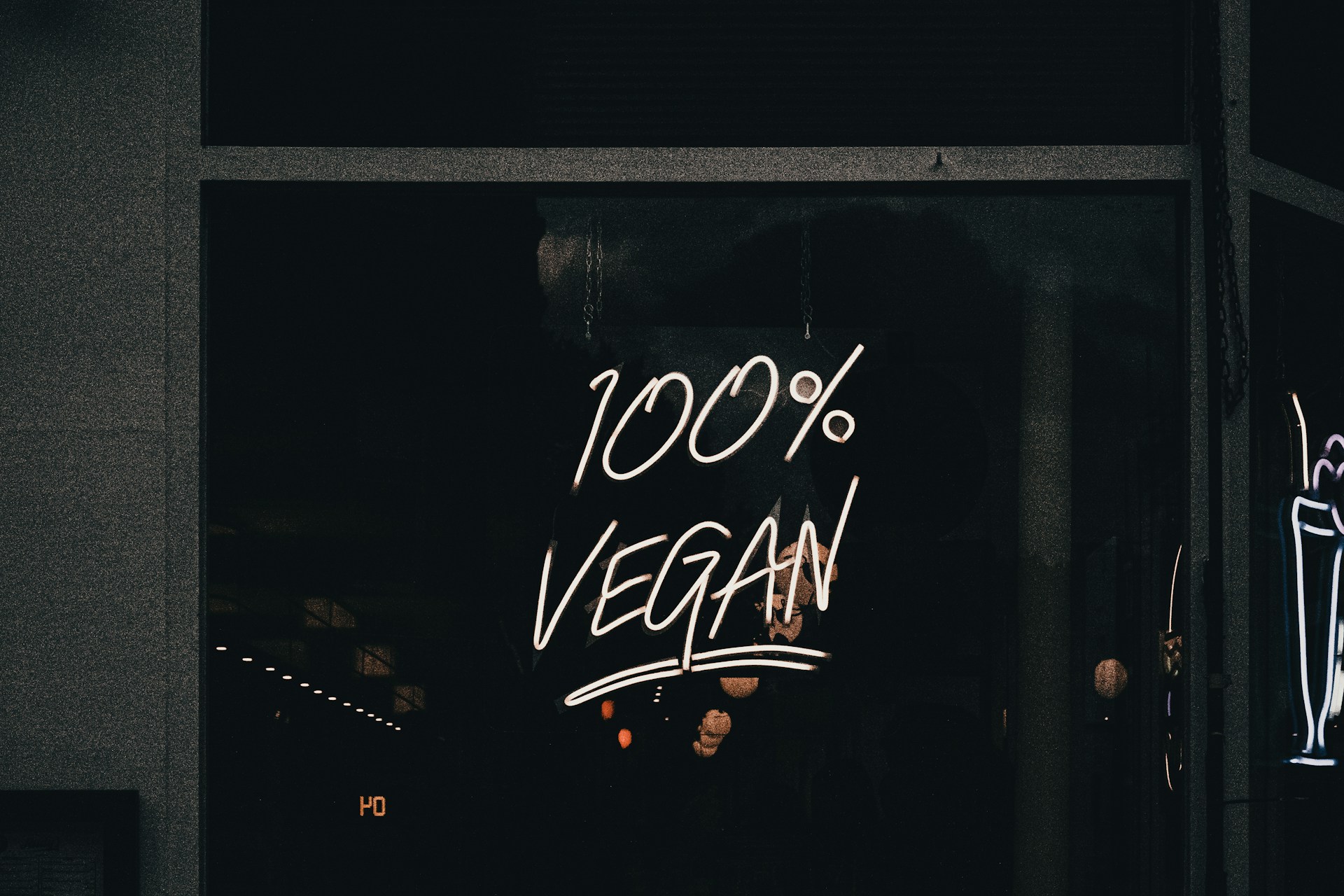
- Diet: Excluding meat, dairy, eggs, honey, and other animal-derived ingredients.
- Clothing: Avoiding materials like leather, wool, silk, and fur.
- Products: Using cruelty-free cosmetics, toiletries, and household items.
Why Do People Choose Veganism?
There are many reasons why someone might choose to go vegan:1. Ethical Reasons
Many people become vegan because they don't want to harm animals. This includes avoiding factory farming, animal testing, and the exploitation of animals for entertainment or fashion.2. Environmental Concerns
Animal agriculture is a leading cause of deforestation, greenhouse gas emissions, and water pollution. By going vegan, individuals can significantly reduce their environmental footprint.3. Health Benefits
A vegan diet can lower cholesterol, reduce the risk of heart disease, and promote better digestion. Many people also report feeling more energetic on a plant-based diet.Common Challenges and How to Overcome Them
Adopting veganism isn't always easy, especially as a teenager. Here are some common challenges and tips to deal with them:1. Limited Options
Challenge: School canteens or family meals may not always have vegan options. Solution: Pack your own lunches or suggest easy vegan recipes to your family. Many UK supermarkets now stock vegan-friendly ready meals and snacks.2. Social Pressure
Challenge: Friends or family might not understand your choice and could question or tease you. Solution: Explain your reasons calmly and focus on positive aspects, like how much you're enjoying trying new foods.3. Nutritional Concerns
Challenge: Parents might worry that you won't get enough protein, calcium, or other nutrients. Solution: Show them how you're meeting your needs through foods like tofu, lentils, fortified plant milk, and supplements for vitamins like B12.How to Start Your Vegan Journey
Transitioning to a vegan lifestyle doesn't have to be overwhelming. Here are some practical steps to get started:1. Start Small
Begin by replacing one meal or food group at a time. For example:- Swap cow's milk for almond, soy, or oat milk.
- Try meat alternatives like tofu, tempeh, or plant-based burgers.
2. Experiment with Recipes
Explore vegan cooking by trying recipes for dishes you already enjoy, like pasta with marinara sauce, stir-fries, or curries. Websites and apps like Veganuary and BOSH! offer plenty of ideas.3. Learn to Read Labels
Many processed foods contain hidden animal ingredients. Learn to identify terms like whey, casein, and gelatine, or use apps to check products quickly.4. Build a Support Network
Join vegan communities online or find local groups to connect with others who share your lifestyle. Having support makes it easier to stay motivated and inspired.5. Be Patient
Adjusting to veganism takes time. Don't stress if you make mistakes, focus on progress, not perfection.Benefits of Veganism
Choosing veganism offers many benefits for your health, the planet, and animals. Here are some key advantages:- Health: Improved digestion, clearer skin, and more energy.
- Environment: Reduced carbon footprint and conservation of natural resources.
- Ethics: Contributing to a world with less animal cruelty and exploitation.
Final Thoughts
Veganism is more than just a diet, it's a lifestyle that reflects your values and commitment to creating a better world. While there may be challenges along the way, the benefits far outweigh them, from improved health and confidence to making a positive impact on the planet. By starting small, educating yourself, and staying connected with others, you can successfully embrace veganism and inspire those around you to explore the possibilities of a compassionate, sustainable way of life.How are you feeling?
It is really important that when we need help, we feel able to ask for it. This could be speaking to a parent, a close friend, a teacher or someone else you trust. Sometimes it can be really hard to share our feelings with other people but if we are feeling low or don't know where to turn, sharing with others is really important. Teachers will always take you seriously and listen to your problems in confidence if you approach them for help. Likewise, parents, siblings or friends will help you if you reach out to them.
If you feel like you can't speak to anyone you know, there are people and organisations that can help support you:
- Childline - Call them on 0800 1111 any time of the day or night, every day of the week
- NSPCC - Call them on 0808 800 5000 between 10am and 4pm Monday to Friday or email them on help@NSPCC.org.uk
- The Samaritans – Call them on 116 123 any time of the day or night, every day of the week
- SANE – Call 0300 304 7000 for support (4:30pm - 10:30pm every day)
- Mind – Call 0300 123 3393 (9:00am - 6:00pm Monday to Friday)
*Sometimes we will use real life examples in our articles to aid understanding. When we do, names and ages will be changed.