













Let's get started...
Going vegan means avoiding all animal products, which can feel overwhelming at first. From obvious items like meat and dairy to hidden ingredients in processed foods, understanding what you can't eat is essential for sticking to your vegan lifestyle. This article explores foods that aren't vegan, their impact on teenagers, and practical tips for navigating these choices confidently and easily.What Does Being Vegan Mean?
Being vegan involves excluding all animal-derived products from your diet. This includes meat, dairy, eggs, honey, and other less obvious ingredients. Vegans also avoid products tested on animals or made from materials like leather and wool, but in this article, we'll focus on food.What Foods Can't Vegans Eat?
Here's a breakdown of foods to avoid as a vegan:1. Meat
This includes all types of meat, such as: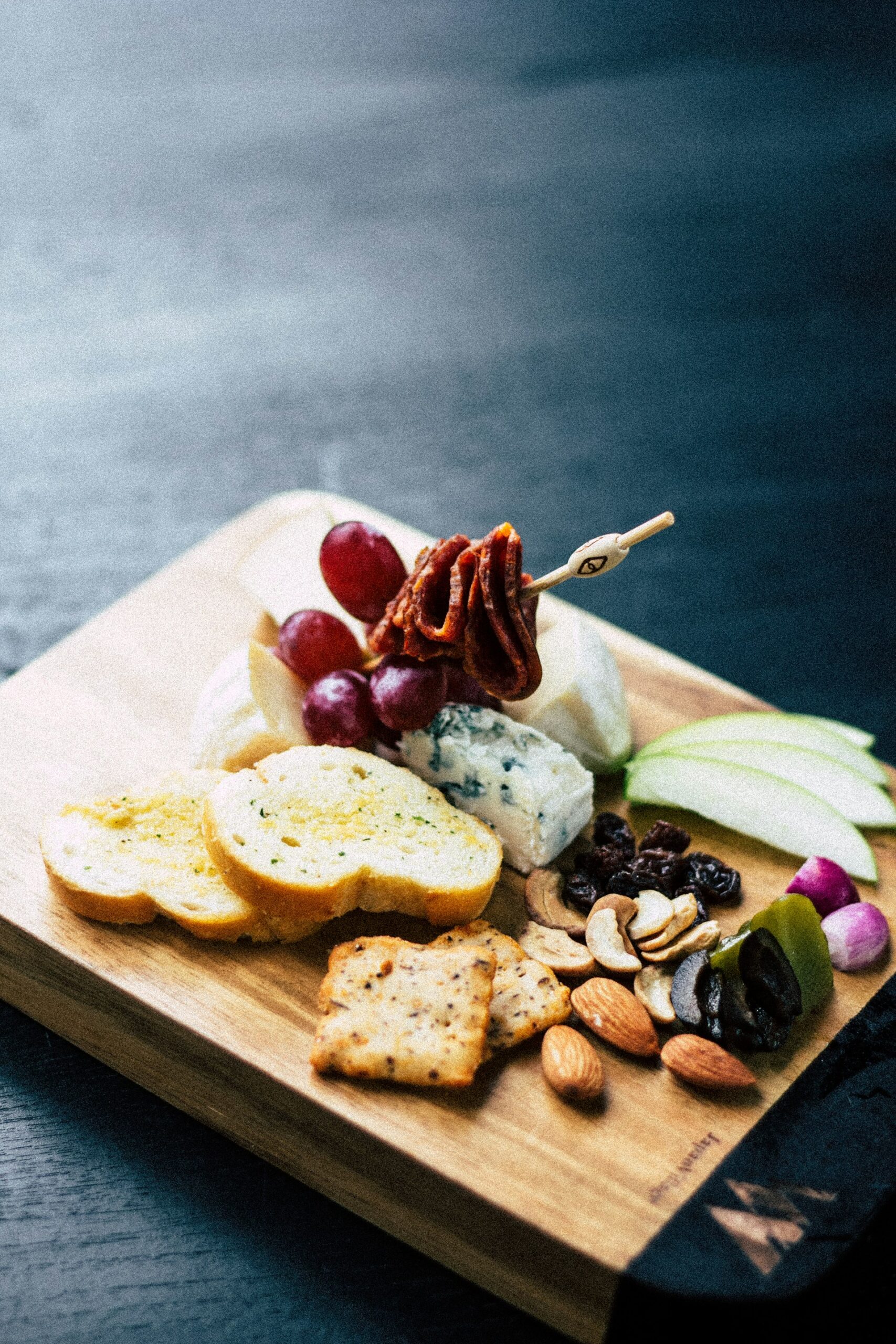
- Beef
- Pork
- Chicken
- Turkey
- Lamb
2. Dairy
Dairy products come from animals like cows, goats, and sheep. Common examples include:- Milk
- Cheese
- Yoghurt
- Butter
- Cream
3. Eggs
Eggs, including those from chickens, ducks, or quails, are not vegan. Many processed foods contain eggs, so always check labels.4. Honey
Honey, made by bees, is avoided in a vegan diet. Alternatives like maple syrup or agave nectar can be used instead.5. Ingredients Derived from Animals
Some foods contain hidden animal products. Common examples include:- Gelatine: Found in sweets, marshmallows, and some desserts.
- Whey and Casein: By-products of dairy, often in protein powders and baked goods.
- Isinglass: Used to clarify some beers and wines, derived from fish bladders.
- Shellac: A glazing agent made from insect secretions, found in some sweets and fruits.
- Animal-based food colourings: Cochineal (E120) is a red dye made from crushed insects.
6. Processed Foods with Hidden Ingredients
Many processed foods contain non-vegan additives. For example:- Baked goods made with eggs or dairy.
- Soups or sauces with meat-based stock.
- Chocolates with milk powder.
Practical Strategies for Avoiding Non-Vegan Foods
Here are some tips to make it easier to identify and avoid non-vegan foods:1. Learn to Read Labels
Familiarise yourself with common animal-derived ingredients. Apps like Is It Vegan? can help you check products quickly.2. Stick to Whole Foods
Fruits, vegetables, grains, and legumes are naturally vegan, so focusing on these foods reduces the need to scrutinise labels.3. Explore Vegan Alternatives
Replace non-vegan foods with plant-based options:- Use plant-based milks like almond, soy, or oat milk instead of dairy.
- Try vegan cheese and butter brands for cooking and snacking.
- Replace gelatine-based sweets with vegan versions.
4. Cook at Home
Preparing meals at home ensures you control what goes into your food. Experiment with vegan recipes for your favourite dishes.5. Research Restaurants
When eating out, look up the menu in advance or call the restaurant to ask about vegan options. Many chains in the UK now offer vegan-friendly meals.6. Join Vegan Communities
Online forums, social media groups, or local vegan meet-ups are great for finding support, sharing tips, and discovering new products.Challenges and How to Overcome Them
Transitioning to a vegan lifestyle comes with challenges, but they can be managed with preparation and patience:1. Limited Options
Solution: Pack your own snacks or meals for events where vegan options may be scarce.2. Cravings for Non-Vegan Foods
Solution: Explore plant-based alternatives to satisfy your cravings, like vegan ice cream or meat substitutes.3. Social Pressure
Solution: Politely explain your reasons for being vegan and focus on non-food-related activities during social events.Benefits of Knowing What Foods to Avoid
Being aware of non-vegan foods helps you:- Stay True to Your Values: Avoiding animal products aligns with ethical and environmental goals.
- Make Informed Choices: Understanding labels helps you shop and eat with confidence.
- Discover New Foods: Exploring vegan alternatives introduces you to new ingredients and recipes.
Final Thoughts
Knowing what foods you can't eat as a vegan is an essential part of the lifestyle. By learning to identify animal-derived ingredients, exploring plant-based alternatives, and planning ahead, you can avoid non-vegan foods while enjoying a varied and satisfying diet. With time, understanding these choices becomes second nature, helping you stay committed to your values and enjoy the benefits of a vegan lifestyle.How are you feeling?
It is really important that when we need help, we feel able to ask for it. This could be speaking to a parent, a close friend, a teacher or someone else you trust. Sometimes it can be really hard to share our feelings with other people but if we are feeling low or don't know where to turn, sharing with others is really important. Teachers will always take you seriously and listen to your problems in confidence if you approach them for help. Likewise, parents, siblings or friends will help you if you reach out to them.
If you feel like you can't speak to anyone you know, there are people and organisations that can help support you:
- Childline - Call them on 0800 1111 any time of the day or night, every day of the week
- NSPCC - Call them on 0808 800 5000 between 10am and 4pm Monday to Friday or email them on help@NSPCC.org.uk
- The Samaritans – Call them on 116 123 any time of the day or night, every day of the week
- SANE – Call 0300 304 7000 for support (4:30pm - 10:30pm every day)
- Mind – Call 0300 123 3393 (9:00am - 6:00pm Monday to Friday)
*Sometimes we will use real life examples in our articles to aid understanding. When we do, names and ages will be changed.