

















Let's get started...
The Basics of Cooking Vegetarian Food
With the rising interest in vegetarianism especially among teens, understanding the basics of vegetarian cooking can open up a world of diverse, flavourful, and nutritious dining options. Whether you're a vegetarian for ethical, environmental, or health reasons, or simply looking to reduce your meat intake, mastering this cuisine can boost your health while making your meals more interesting.
Why Choose Vegetarian Cooking?
Choosing to cook vegetarian meals can have multiple benefits. For one, it's typically better for the environment as it reduces demand for meat production, which is known for being resource-intensive. Health-wise, vegetarian diets are linked with lower risks of heart disease, high blood pressure, type 2 diabetes, and certain types of cancer. Plus, it encourages you to explore a variety of vegetables, fruits, grains, and proteins like beans and lentils, all of which are crucial parts of a balanced diet.
Essential Ingredients in Vegetarian Cooking
To start cooking vegetarian food, your kitchen should be stocked with a few staples. Here are some must-have ingredients:
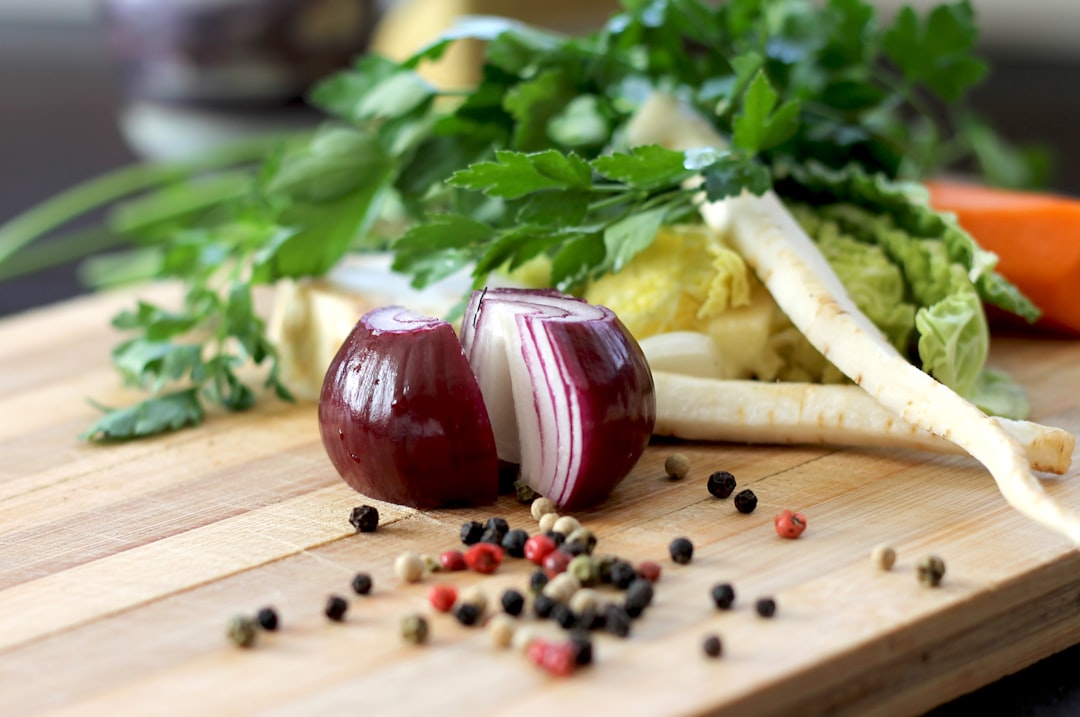
- Vegetables and Fruits: The backbone of all vegetarian meals. Fresh or frozen, they add flavour, colour, and nutrients.
- Whole grains: Such as quinoa, rice, barley, and whole wheat products. They're important for texture and filling meals.
- Legumes: Beans, lentils, and chickpeas are high in protein and fibre, making them great meat alternatives.
- Nuts and Seeds: These are good for adding crunch and nutrition to meals.
- Dairy or Plant-based Alternatives: Milk, cheese, and yogurt (or their plant-based equivalents) are essential for calcium and protein.
- Herbs and Spices: Essential for adding depth and excitement to your dishes.
How to Prepare Simple Vegetarian Dishes
Getting started with vegetarian cooking involves more than just leaving out the meat. Here are easy steps to prepare simple yet delicious vegetarian dishes:
1. Experiment with Different Cooking Methods
Try grilling, steaming, or roasting vegetables to bring out unique flavours and textures. For instance, roasting brings out the natural sweetness in veggies like carrots and tomatoes.
2. Protein is Key
Replace the protein that you would normally get from meat with plant-based sources. For example, replace chicken in a curry with chickpeas or use tofu in a stir-fry.
3. Get Creative with Seasonings
The right herbs and spices can transform a bland dish into something truly mouth-watering. Don't be afraid to use bold flavours from spices like cumin, coriander, or smoked paprika.
4. Incorporate a Variety of Textures
Combining elements with different textures, such as adding nuts or seeds to a smooth soup, can make vegetarian dishes more satisfying and interesting.
Real-life Impact and Benefits for Young People
Adopting vegetarian cooking can be particularly beneficial for young people. It encourages you to learn about nutrition early on, promoting lifelong healthy eating habits. Cooking at home can also be a fun activity that boosts your self-esteem and allows you to explore creative outlets. Additionally, given the environmental and ethical concerns surrounding meat production, adopting a vegetarian lifestyle can align with values of sustainability and animal welfare, which are increasingly important to younger generations.
Practical Strategies for Everyday Vegetarian Cooking
Here are some practical tips to make vegetarian cooking easier and more enjoyable:
- Plan Your Meals: This can help you ensure a balanced diet and avoid the stress of deciding what to cook each day.
- Batch Cook: Prepare large quantities of staples like beans or quinoa earlier in the week, and use them in different recipes.
- Explore International Cuisines: Many cultures have rich traditions of vegetarian cooking. Indian, Mediterranean, or East Asian dishes often use vegetarian ingredients creatively.
- Keep it Simple: Start with simple recipes that require fewer ingredients and steps, then gradually tackle more complex dishes as you gain confidence.
Remember, the journey to good vegetarian cooking is all about experimentation and finding what works for you. By regularly trying new ingredients, techniques, and dishes, you'll build a repertoire of meals that you love and that are good for you and the planet.
How are you feeling?
It is really important that when we need help, we feel able to ask for it. This could be speaking to a parent, a close friend, a teacher or someone else you trust. Sometimes it can be really hard to share our feelings with other people but if we are feeling low or don't know where to turn, sharing with others is really important. Teachers will always take you seriously and listen to your problems in confidence if you approach them for help. Likewise, parents, siblings or friends will help you if you reach out to them.
If you feel like you can't speak to anyone you know, there are people and organisations that can help support you:
- Childline - Call them on 0800 1111 any time of the day or night, every day of the week
- NSPCC - Call them on 0808 800 5000 between 10am and 4pm Monday to Friday or email them on help@NSPCC.org.uk
- The Samaritans – Call them on 116 123 any time of the day or night, every day of the week
- SANE – Call 0300 304 7000 for support (4:30pm - 10:30pm every day)
- Mind – Call 0300 123 3393 (9:00am - 6:00pm Monday to Friday)
*Sometimes we will use real life examples in our articles to aid understanding. When we do, names and ages will be changed.
