













Let's get started...
Replacing dairy and eggs in your diet is an important step when transitioning to a vegan lifestyle. These ingredients are common in many foods and recipes, but with the growing availability of plant-based alternatives, it's easier than ever to make the switch. Whether you're motivated by health, ethical concerns, or environmental impact, learning how to replace dairy and eggs can help you maintain a balanced and enjoyable diet.Why Replace Dairy and Eggs?
People choose to avoid dairy and eggs for various reasons: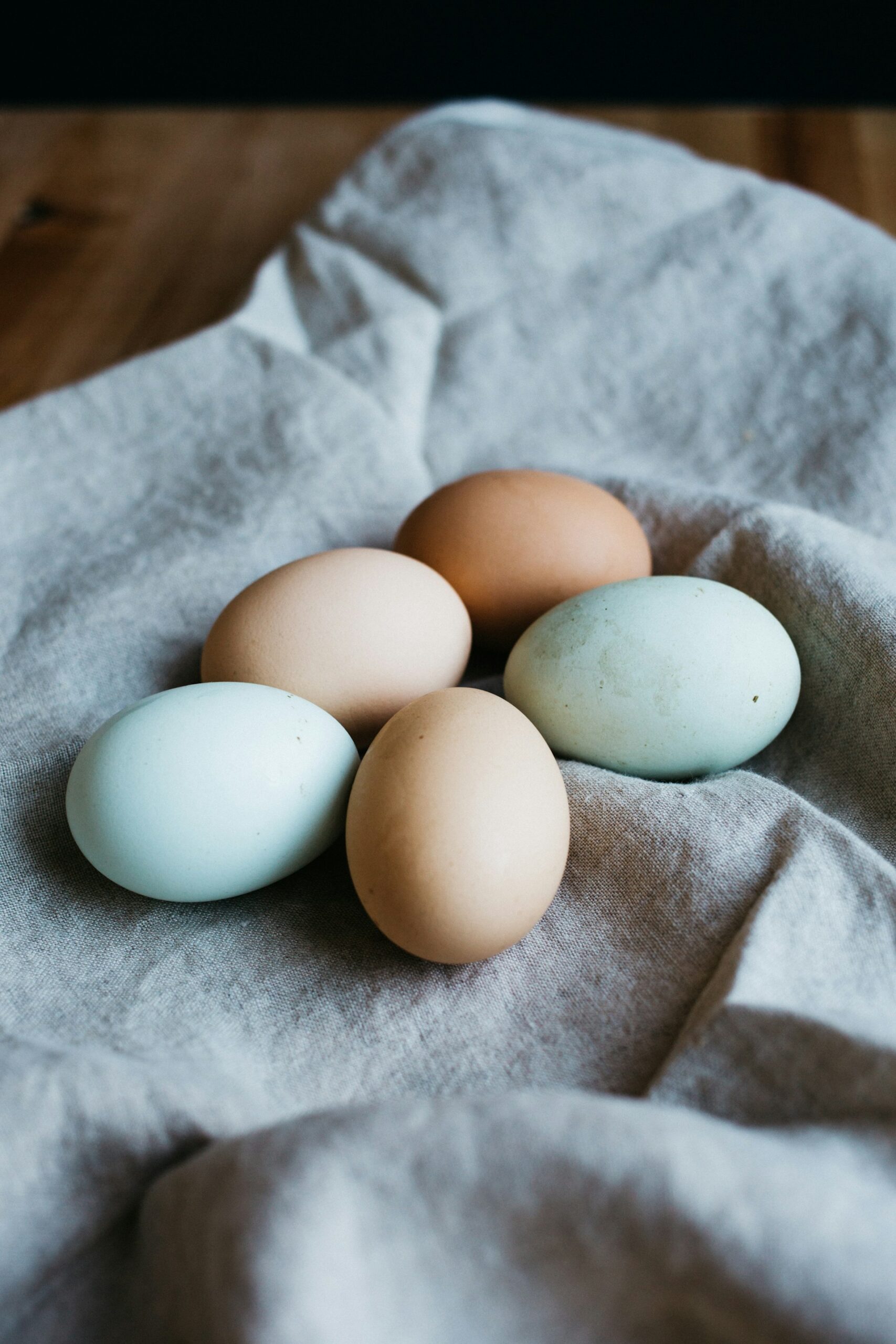
- Ethical Concerns: Many choose veganism to avoid contributing to animal exploitation in the dairy and egg industries.
- Health Benefits: A plant-based diet can lower cholesterol levels and reduce the risk of certain diseases.
- Environmental Impact: Dairy and egg production contribute to greenhouse gas emissions, water usage, and deforestation.
How to Replace Dairy in Your Diet
There are plenty of plant-based alternatives to dairy products that are widely available in the UK. Here's how to make the switch:1. Plant-Based Milks
Dairy milk can easily be replaced with plant-based options. Popular choices include:- Almond Milk: Light and nutty, great for cereal and smoothies.
- Soy Milk: Creamy and high in protein, ideal for tea, coffee, and baking.
- Oat Milk: Naturally sweet and perfect for lattes and porridge.
- Coconut Milk: Rich and flavourful, perfect for curries and desserts.
2. Vegan Cheeses
Vegan cheese has come a long way, with options that melt, slice, and spread like traditional cheese. Try brands like Violife, Applewood Vegan, or Sheese.3. Yoghurts
Swap dairy yoghurts for coconut, soy, or almond-based options. These come in various flavours and work well in smoothies or as snacks.4. Cream and Butter
Use plant-based alternatives for cooking and baking:- Vegan Butter: Brands like Flora Plant or Pure spread are widely available.
- Vegan Cream: Oat or soy-based creams are excellent for sauces and desserts.
5. Ice Cream
Dairy-free ice cream is delicious and available in supermarkets. Look for coconut, almond, or cashew-based varieties in flavours like chocolate, vanilla, or salted caramel.How to Replace Eggs in Your Diet
Eggs are versatile in cooking and baking, but there are many effective substitutes depending on the recipe:1. Baking Substitutes
For cakes, cookies, and pancakes, replace one egg with one of the options below:- 1 tablespoon of flaxseed mixed with 2.5 tablespoons of water (flax egg).
- 1 tablespoon of chia seeds mixed with 2.5 tablespoons of water (chia egg).
- 1/4 cup of applesauce or mashed banana for added moisture.
- 1/4 cup of plant-based yoghurt for binding and moisture.
2. Cooking Substitutes
For scrambled eggs, omelettes, or quiches, use these options:- Tofu: Crumble firm tofu and season with turmeric, black salt (kala namak), and spices for a scrambled egg alternative.
- Chickpea Flour: Mix with water and spices to make an omelette batter.
3. Aquafaba
Aquafaba, the liquid from a can of chickpeas, works as an egg white substitute. Whip it to create meringues, mousses, or light cakes.4. Egg Replacers
Commercial egg replacers like Orgran No Egg are convenient and effective for various recipes.Tips for Replacing Dairy and Eggs
Follow these tips to make the transition smoother:1. Experiment with Recipes
Try new recipes that are naturally vegan or adapt your favourites using substitutes. Websites like BBC Good Food and Minimalist Baker offer great vegan options.2. Read Labels
Check labels for hidden dairy or egg ingredients, such as whey, casein, or albumin. Apps like Is It Vegan? can help identify non-vegan ingredients.3. Start Small
Begin by replacing one product at a time, like switching to plant milk before exploring vegan cheese or egg alternatives.4. Explore Supermarkets
Most UK supermarkets have dedicated vegan sections with a variety of alternatives to choose from. Try different brands to find what you like best.5. Be Patient
Adjusting to new flavours and textures takes time. Keep an open mind and remember why you're making these changes.When to Seek Support
If you're unsure about how to replace dairy and eggs or feel stuck, seek advice from online vegan communities, recipe blogs, or a dietitian. Support from others can make your journey easier and more enjoyable.Final Thoughts
Replacing dairy and eggs in your diet is a key step in adopting a vegan lifestyle. With so many plant-based alternatives available, it's easier than ever to make the switch without sacrificing taste or nutrition. By experimenting with substitutes, reading labels, and trying new recipes, you can enjoy a varied and satisfying diet that aligns with your values. Embrace the journey, and remember that small changes lead to big impacts over time.How are you feeling?
It is really important that when we need help, we feel able to ask for it. This could be speaking to a parent, a close friend, a teacher or someone else you trust. Sometimes it can be really hard to share our feelings with other people but if we are feeling low or don't know where to turn, sharing with others is really important. Teachers will always take you seriously and listen to your problems in confidence if you approach them for help. Likewise, parents, siblings or friends will help you if you reach out to them.
If you feel like you can't speak to anyone you know, there are people and organisations that can help support you:
- Childline - Call them on 0800 1111 any time of the day or night, every day of the week
- NSPCC - Call them on 0808 800 5000 between 10am and 4pm Monday to Friday or email them on help@NSPCC.org.uk
- The Samaritans – Call them on 116 123 any time of the day or night, every day of the week
- SANE – Call 0300 304 7000 for support (4:30pm - 10:30pm every day)
- Mind – Call 0300 123 3393 (9:00am - 6:00pm Monday to Friday)
*Sometimes we will use real life examples in our articles to aid understanding. When we do, names and ages will be changed.