













Let's get started...
Reading food labels for non-vegan ingredients can be tricky, especially when you're new to veganism. Many products contain hidden animal-derived ingredients, and recognising them requires a little know-how. For a teenager, navigating food labels might seem overwhelming, but it's an essential skill for maintaining a vegan lifestyle. This article explores how to read labels for non-vegan ingredients, and practical strategies to make it easier.Why Reading Labels Matters
As a vegan, avoiding animal products isn't just about skipping meat, dairy, and eggs. Many processed foods contain ingredients derived from animals that aren't immediately obvious. Learning to spot these ingredients ensures your choices align with your values and helps you feel confident in your lifestyle.How to Read Food Labels for Non-Vegan Ingredients
Reading labels might seem daunting at first, but it becomes second nature with practice. Here's a step-by-step guide:1. Look for Vegan Labelling
Many products now feature a "suitable for vegans" label, which makes shopping easier. However, not all vegan products are labelled this way, so it's important to dig deeper when needed.2. Check the Allergen Information
Allergens like milk, eggs, and fish are usually highlighted in bold or listed in a separate allergen section. If you see these, the product isn't vegan.3. Learn Common Non-Vegan Ingredients
Some animal-derived ingredients aren't as obvious. Here are some to watch out for: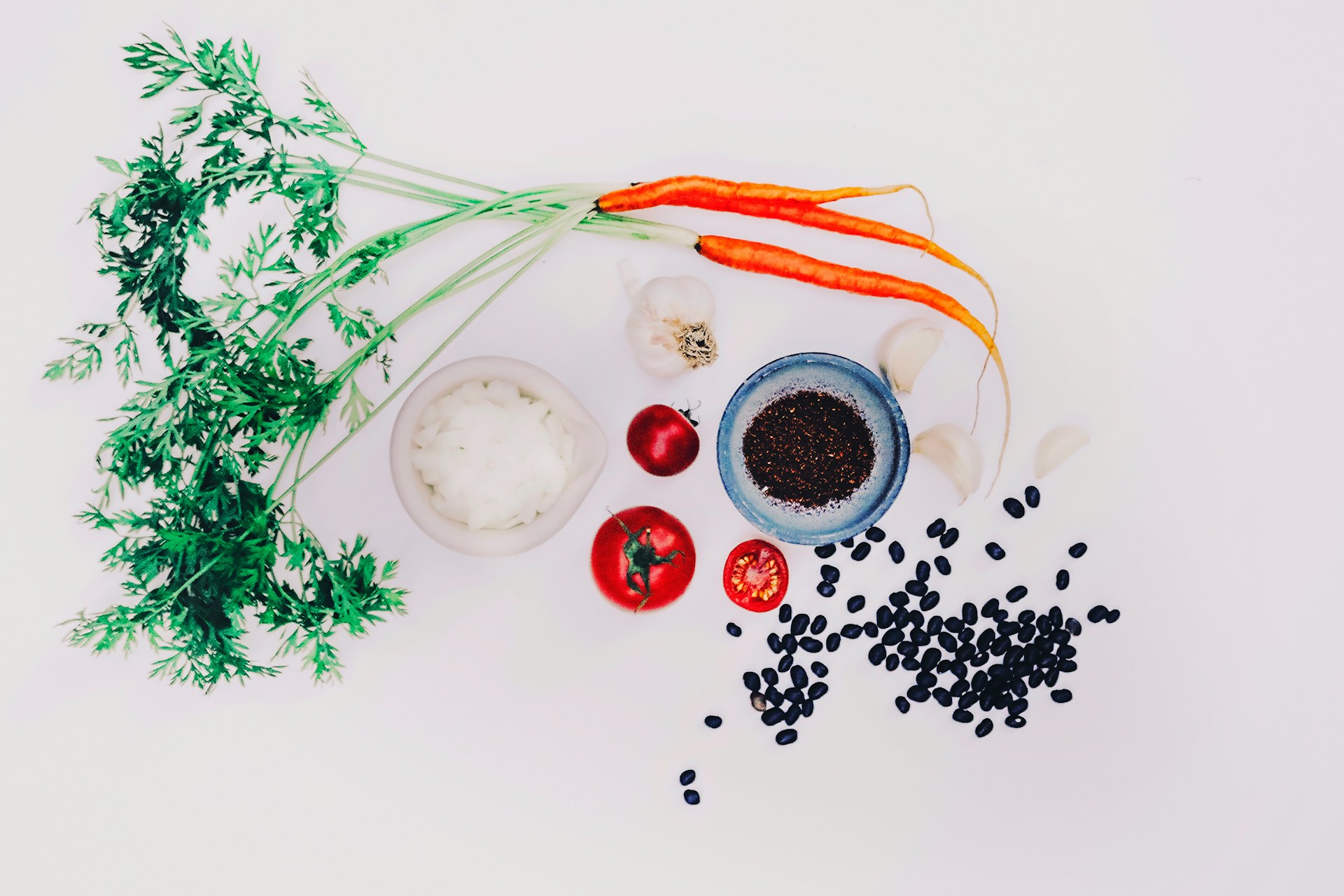
- Gelatine: Found in sweets, jelly, and marshmallows, made from animal bones and skin.
- Whey and Casein: Dairy by-products often found in crisps, bread, and protein bars.
- Shellac: A glazing agent made from insect secretions, used on sweets and fruit.
- Isinglass: Derived from fish bladders, used to filter some wines and beers.
- Cochineal (E120): A red colouring made from crushed insects, found in some drinks and sweets.
4. Understand E-Numbers
Some E-numbers are derived from animal sources. For example:- E120: Cochineal (red colouring).
- E322: Lecithin (check if it's from soya or eggs).
- E471: Mono- and diglycerides of fatty acids (may be animal- or plant-based).
5. Look Out for Additives
Some additives, like animal-derived enzymes or rennet in cheese, aren't listed in detail. Vegan-certified products or thorough research can help you avoid these.Tips for Making Label Reading Easier
Here are some strategies to simplify the process:1. Use Vegan Apps
Apps like Is It Vegan? or Vegan Pocket let you scan barcodes to determine if a product is vegan. They're especially helpful for beginners.2. Shop at Vegan-Friendly Stores
Specialty vegan stores or sections in supermarkets often stock products that are clearly labelled as vegan, reducing the need for label scrutiny.3. Learn to Recognise Brand Patterns
Some brands are more transparent about vegan options. Familiarise yourself with reliable brands and their product lines.4. Keep a Cheat Sheet
Create a list of non-vegan ingredients to refer to while shopping. Over time, you'll remember them without needing the list.5. Focus on Whole Foods
Unprocessed foods like fruits, vegetables, grains, and legumes are naturally vegan, so you don't need to worry about labels.6. Ask Questions
If you're unsure about a product, reach out to the manufacturer. Many companies have customer service teams that can confirm whether a product is vegan.Challenges and How to Overcome Them
Reading labels isn't always straightforward, but these tips can help:1. Confusing Terms
Some ingredients sound plant-based but aren't. For example:- "Natural flavours" can sometimes include animal products.
- "Lactic acid" is usually vegan but double-check if uncertain.
2. Time-Consuming
Reading every label takes time, especially at first. Solution: Shop online or stick to familiar vegan-friendly products to save time.3. Unclear Labelling
Not all products are labelled with enough detail. Solution: Stick to certified vegan products or contact manufacturers for confirmation.Benefits of Learning to Read Labels
Mastering the skill of label reading has many advantages:- Confidence: You'll feel more in control of your choices.
- Convenience: Shopping becomes quicker as you learn which products to trust.
- Education: Understanding ingredients helps you make healthier and more informed decisions.
When to Seek Support
If you're struggling to navigate labels or find suitable products, join vegan groups or forums. Experienced vegans can share tips, brand recommendations, and shortcuts to make your journey easier.Final Thoughts
Reading labels for non-vegan ingredients is an essential skill for maintaining a vegan lifestyle. While it might seem overwhelming at first, practice makes it easier. By understanding common non-vegan ingredients, using apps and cheat sheets, and sticking to reliable brands, you'll become more confident in identifying suitable products. With time, reading labels will become second nature, helping you stay true to your values and enjoy a fulfilling vegan lifestyle.How are you feeling?
It is really important that when we need help, we feel able to ask for it. This could be speaking to a parent, a close friend, a teacher or someone else you trust. Sometimes it can be really hard to share our feelings with other people but if we are feeling low or don't know where to turn, sharing with others is really important. Teachers will always take you seriously and listen to your problems in confidence if you approach them for help. Likewise, parents, siblings or friends will help you if you reach out to them.
If you feel like you can't speak to anyone you know, there are people and organisations that can help support you:
- Childline - Call them on 0800 1111 any time of the day or night, every day of the week
- NSPCC - Call them on 0808 800 5000 between 10am and 4pm Monday to Friday or email them on help@NSPCC.org.uk
- The Samaritans – Call them on 116 123 any time of the day or night, every day of the week
- SANE – Call 0300 304 7000 for support (4:30pm - 10:30pm every day)
- Mind – Call 0300 123 3393 (9:00am - 6:00pm Monday to Friday)
*Sometimes we will use real life examples in our articles to aid understanding. When we do, names and ages will be changed.