

















Let's get started...
Explaining veganism to your friends can feel a bit daunting, especially if they don't fully understand what it means or why you've chosen this lifestyle. Veganism, which involves avoiding all animal products, is often motivated by ethical, environmental, or health reasons. As a teenager, discussing it with your friends can lead to questions, curiosity, and even debates. The good news is that you can approach these conversations in a way that's informative, positive, and respectful. This article explores how to explain veganism to your friends, its real-life impact on young people, and practical strategies for communicating effectively.
Why Is Explaining Veganism Important?
Veganism is about more than just what you eat, it's a lifestyle that reflects your values and choices. Explaining it to your friends helps them understand you better and can encourage open-mindedness and meaningful discussions. It also gives you a chance to share your perspective without pressuring anyone to adopt your lifestyle.
Real-Life Impact of Explaining Veganism
Talking about veganism can influence your relationships, social experiences, and even inspire others. Here are some examples:
1. Building Understanding
Emma, 14, found that her friends often teased her about her vegan lunches. After explaining why she went vegan, they became more supportive and even tried some of her plant-based snacks.
2. Inspiring Curiosity
Ryan, 16, shared a documentary about veganism with his friends during a discussion. This sparked their interest, and some of them started eating less meat.
3. Strengthening Friendships
Sophie, 15, used her passion for vegan cooking to host a dinner party for her friends. It became a fun way to connect and share her lifestyle in a positive way.
How to Explain Veganism to Your Friends
When explaining veganism, it's important to approach the conversation with positivity and respect. Here are some tips to help you communicate effectively:
1. Start with the Basics
Not everyone knows what veganism means, so begin by explaining it simply:
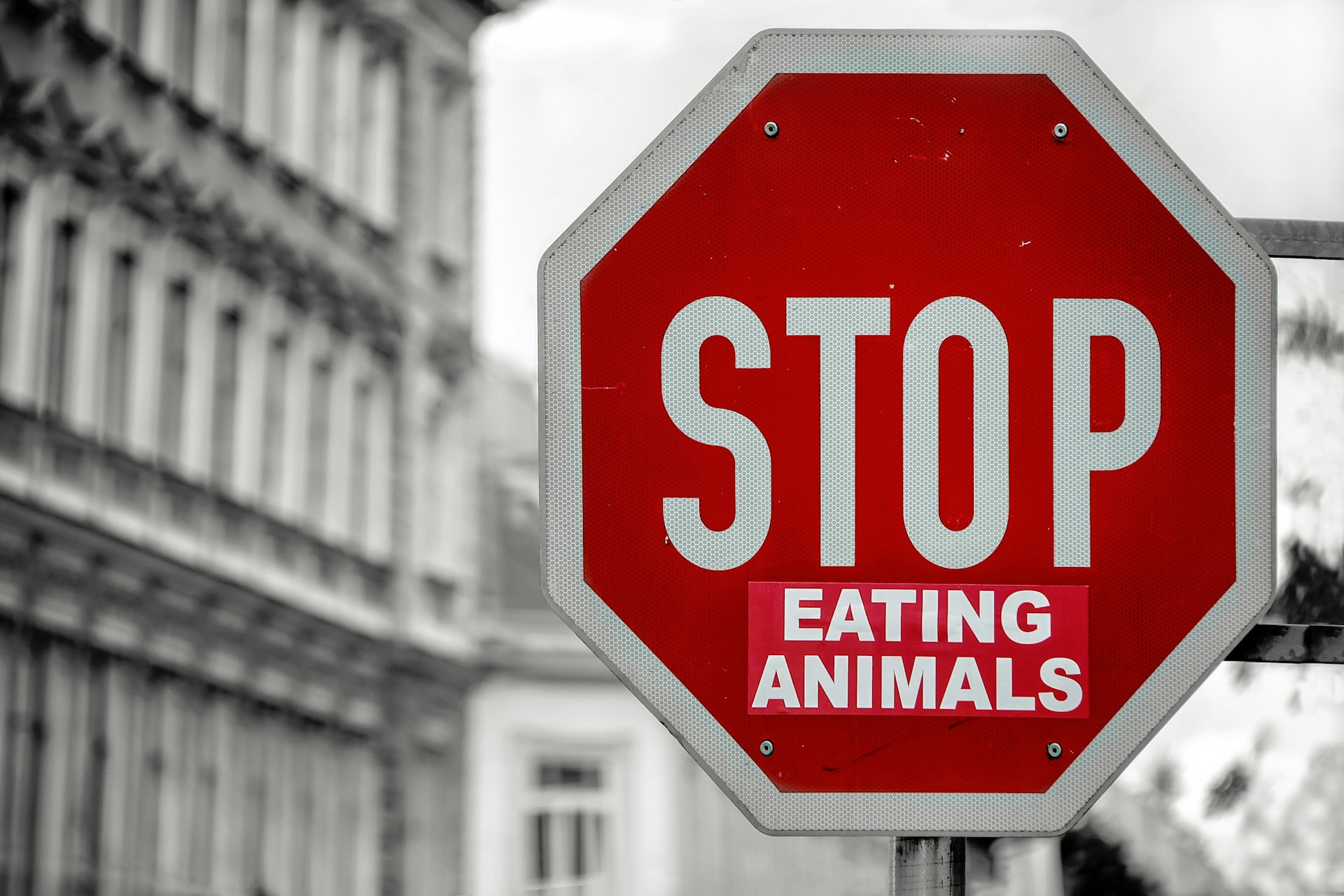
- "Veganism means I don't eat or use any animal products, like meat, dairy, eggs, or honey."
- "I also try to avoid products tested on animals or made from things like leather or wool."
2. Share Your Reasons
Explain why you chose to go vegan. This could include:
- Ethical Reasons: "I don't feel comfortable eating animals because I care about their well-being."
- Environmental Reasons: "Animal farming has a big impact on the planet, and I want to help reduce my carbon footprint."
- Health Reasons: "I feel healthier eating plant-based foods."
3. Be Open to Questions
Your friends might have questions about veganism. Be patient and answer honestly:
- "Where do you get your protein?" (Answer: "From foods like beans, lentils, tofu, and nuts.")
- "Isn't it hard to give up cheese?" (Answer: "At first, yes, but there are great vegan alternatives now!")
4. Avoid Being Judgmental
Remember that your friends might not share your views, and that's okay. Focus on explaining your choices rather than criticising theirs. For example:
- Instead of: "Eating meat is cruel."
- Say: "I feel better knowing my diet aligns with my values."
5. Share Resources
Offer resources like documentaries, books, or websites for friends who want to learn more. Some popular ones include:
- Documentaries: "The Game Changers," "Cowspiracy," or "What the Health."
- Websites: The Vegan Society, Veganuary.
6. Lead by Example
Actions often speak louder than words. Bring delicious vegan snacks to share, or invite your friends to try a vegan restaurant. Showing how enjoyable veganism can be is a great way to create interest.
Challenges and How to Handle Them
Talking about veganism isn't always smooth sailing. Here are some common challenges and strategies to address them:
1. Teasing or Jokes
Some friends might make jokes about your choices. Respond calmly:
- Say: "I know it seems different, but it's something that matters to me."
- Use humour to diffuse tension: "Well, that's more cheese for you, right?"
2. Misunderstandings
Friends might think veganism is too restrictive or unhealthy. Share your experiences:
- "Actually, I eat a lot of different foods, like pasta, curries, and stir-fries."
- "It's all about planning balanced meals, just like any diet."
3. Feeling Left Out
If your friends choose restaurants without vegan options, suggest alternatives:
- "Can we try this place? They have something for everyone."
- Offer to eat beforehand and join them for the company.
Benefits of Explaining Veganism
Sharing your vegan lifestyle can lead to positive outcomes:
- Education: Your friends learn about veganism and its benefits.
- Respect: Open communication fosters understanding and respect for your choices.
- Inspiration: You might inspire someone to try a plant-based meal or explore veganism themselves.
Practical Tips for Success
Here's how to approach these conversations effectively:
- Be confident in your choices, but stay open-minded.
- Avoid arguing, focus on sharing your perspective calmly.
- Know your facts so you can answer questions accurately.
- Use positive language to highlight the benefits of veganism.
When to Seek Support
If you're struggling to explain veganism or face criticism, seek support from online vegan communities, friends who share your lifestyle, or family members who understand your choice. Their encouragement can make a big difference.
Final Thoughts
Explaining veganism to your friends is an opportunity to share your values and foster understanding. By focusing on clear communication, positivity, and respect, you can navigate these conversations with confidence. Whether your friends simply learn more about veganism or feel inspired to explore it themselves, your openness can create meaningful connections and encourage thoughtful discussions about food, health, and the environment.
How are you feeling?
It is really important that when we need help, we feel able to ask for it. This could be speaking to a parent, a close friend, a teacher or someone else you trust. Sometimes it can be really hard to share our feelings with other people but if we are feeling low or don't know where to turn, sharing with others is really important. Teachers will always take you seriously and listen to your problems in confidence if you approach them for help. Likewise, parents, siblings or friends will help you if you reach out to them.
If you feel like you can't speak to anyone you know, there are people and organisations that can help support you:
- Childline - Call them on 0800 1111 any time of the day or night, every day of the week
- NSPCC - Call them on 0808 800 5000 between 10am and 4pm Monday to Friday or email them on help@NSPCC.org.uk
- The Samaritans – Call them on 116 123 any time of the day or night, every day of the week
- SANE – Call 0300 304 7000 for support (4:30pm - 10:30pm every day)
- Mind – Call 0300 123 3393 (9:00am - 6:00pm Monday to Friday)
*Sometimes we will use real life examples in our articles to aid understanding. When we do, names and ages will be changed.
