

















Let's get started...
A vegan diet excludes all animal products, including meat, dairy, eggs, and even honey. While this lifestyle choice has many benefits for the environment, animal welfare, and health, it's natural to wonder if it provides all the nutrients your body needs. For teenagers, who are still growing and developing, it's especially important to ensure that a vegan diet is balanced and nutritionally complete. The good news is that with careful planning, you can get all your nutrients from a vegan diet. This article explores how, along with practical tips to make it work for you.
Why Is Nutrition Important for Teenagers?
Your teenage years are a crucial time for growth and development. Proper nutrition supports healthy bones, muscles, and brain function while providing the energy you need for school, sports, and social activities. A vegan diet can meet all these needs if you include the right foods in your meals.
Can a Vegan Diet Provide All Nutrients?
The short answer is yes, but it requires planning. Some nutrients that are more commonly found in animal products can also be obtained from plant-based sources or supplements. Here's a breakdown of key nutrients and how to get them:
1. Protein
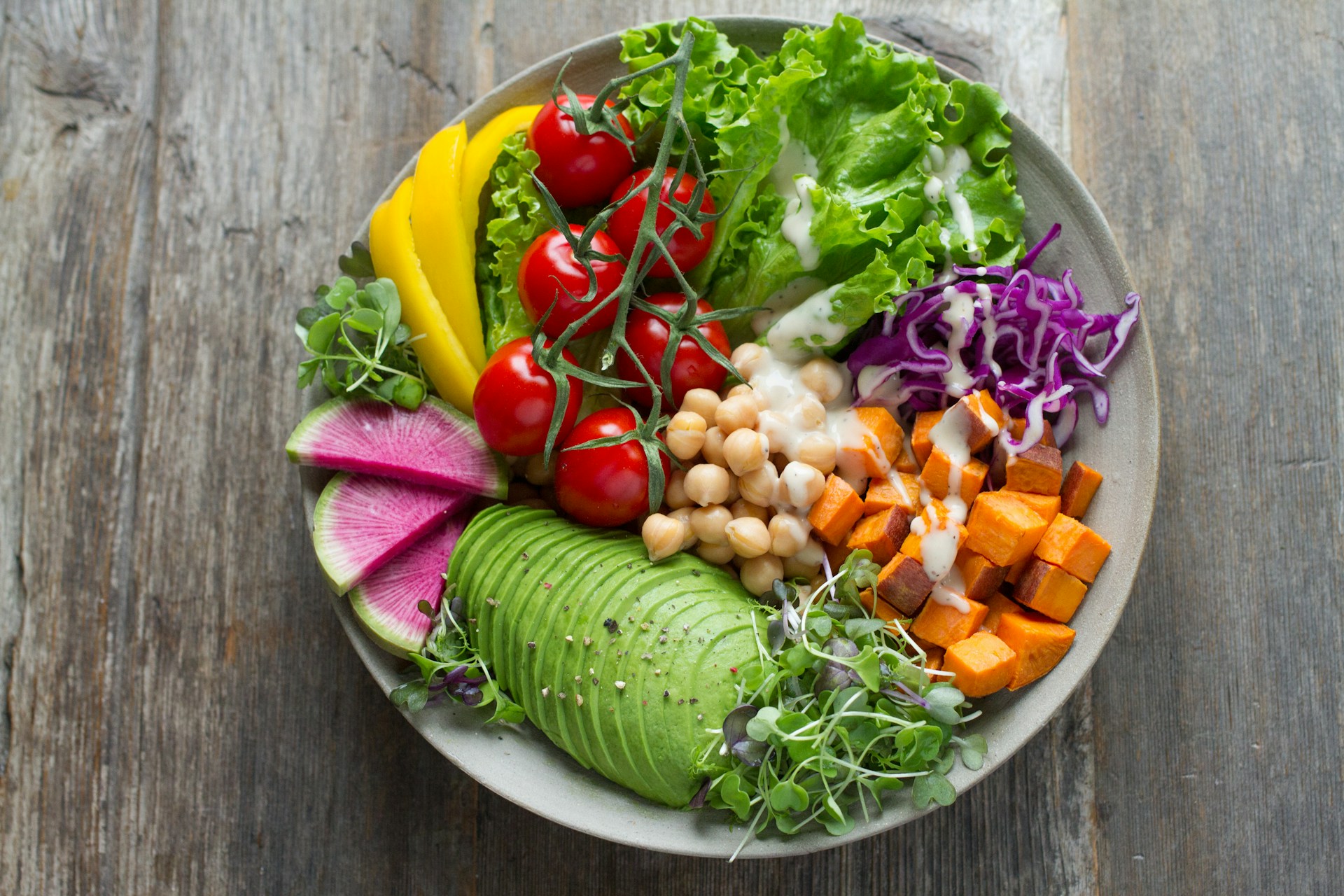
Protein is essential for building and repairing tissues. While meat and dairy are common sources, plant-based options are just as effective.
- Beans and lentils
- Tofu, tempeh, and edamame
- Chickpeas
- Quinoa
- Nuts and seeds
Tip: Include a variety of protein sources to ensure you're getting all essential amino acids.
2. Iron
Iron helps carry oxygen around your body. Plant-based sources include:
- Dark leafy greens (e.g., spinach, kale)
- Lentils and chickpeas
- Fortified cereals
- Pumpkin seeds
Tip: Pair iron-rich foods with vitamin C (like oranges or tomatoes) to improve absorption.
3. Calcium
Calcium is vital for strong bones and teeth. Good vegan sources include:
- Fortified plant milks (e.g., almond, soy, or oat milk)
- Tofu made with calcium sulphate
- Bok choy and broccoli
- Almonds
4. Vitamin D
Vitamin D helps your body absorb calcium. While sunlight is the best source, you can also get it from:
- Fortified plant milks
- Fortified orange juice
- Vitamin D supplements
5. Omega-3 Fatty Acids
Omega-3s are important for brain health. Vegan sources include:
- Flaxseeds and flaxseed oil
- Chia seeds
- Walnuts
- Algae-based supplements
6. Vitamin B12
Vitamin B12 is crucial for your nervous system and red blood cell production. It's not naturally found in plants, so you'll need to rely on:
- Fortified foods (e.g., cereals, plant milks, nutritional yeast)
- B12 supplements
7. Zinc
Zinc supports your immune system and helps with healing. Get it from:
- Chickpeas
- Pumpkin seeds
- Cashews
- Whole grains
8. Iodine
Iodine is important for thyroid function. Vegan sources include:
- Seaweed
- Iodised salt
Real-Life Impact of a Balanced Vegan Diet
Following a well-planned vegan diet can positively impact your health, energy levels, and confidence. Here are some examples:
1. More Energy
Emma, 14, noticed she felt sluggish until she started including more iron-rich foods and vitamin C in her diet. She now has more energy for school and dance practice.
2. Clearer Skin
Ryan, 16, switched to a vegan diet and saw an improvement in his skin, thanks to a focus on fresh fruits, vegetables, and whole grains.
3. Building Healthy Habits
Sophie, 15, began cooking vegan meals with her family. This not only improved her diet but also taught her valuable skills she'll use for life.
Practical Tips for Getting All Your Nutrients
Here's how to make sure you're getting everything you need from a vegan diet:
1. Plan Your Meals
Create a weekly meal plan that includes a variety of foods. Focus on whole grains, vegetables, fruits, proteins, and healthy fats in every meal.
2. Cook at Home
Cooking at home allows you to control what goes into your meals and ensures you're including all the necessary nutrients.
3. Use Supplements
Some nutrients, like vitamin B12 and vitamin D, are easier to get through supplements. Talk to a healthcare professional to find the right ones for you.
4. Eat Fortified Foods
Fortified cereals, plant milks, and nutritional yeast can help you meet your daily nutrient requirements.
5. Track Your Intake
Use an app like Cronometer to track your nutrient intake and identify any gaps in your diet.
6. Stay Hydrated
Drinking enough water supports overall health and helps your body process nutrients effectively.
7. Experiment with Recipes
Try new vegan recipes to keep your meals interesting and nutrient-rich. Incorporate spices like turmeric and ginger for added health benefits.
When to Seek Help
If you're unsure about meeting your nutritional needs or experiencing fatigue, hair loss, or other issues, consult a dietitian or healthcare professional. They can provide personalised advice and ensure your diet is balanced.
Final Thoughts
Yes, you can get all your nutrients from a vegan diet, but it requires some planning and awareness. By focusing on a variety of whole foods, using fortified products, and supplementing where necessary, you can meet your body's needs while enjoying the benefits of a plant-based lifestyle. With the right approach, you can thrive as a vegan and inspire others to explore the possibilities of a sustainable and compassionate way of eating.
How are you feeling?
It is really important that when we need help, we feel able to ask for it. This could be speaking to a parent, a close friend, a teacher or someone else you trust. Sometimes it can be really hard to share our feelings with other people but if we are feeling low or don't know where to turn, sharing with others is really important. Teachers will always take you seriously and listen to your problems in confidence if you approach them for help. Likewise, parents, siblings or friends will help you if you reach out to them.
If you feel like you can't speak to anyone you know, there are people and organisations that can help support you:
- Childline - Call them on 0800 1111 any time of the day or night, every day of the week
- NSPCC - Call them on 0808 800 5000 between 10am and 4pm Monday to Friday or email them on help@NSPCC.org.uk
- The Samaritans – Call them on 116 123 any time of the day or night, every day of the week
- SANE – Call 0300 304 7000 for support (4:30pm - 10:30pm every day)
- Mind – Call 0300 123 3393 (9:00am - 6:00pm Monday to Friday)
*Sometimes we will use real life examples in our articles to aid understanding. When we do, names and ages will be changed.
