













Let's get started...
Becoming a vegan is an exciting and meaningful choice, but it can also feel overwhelming at first. Whether you're doing it for the environment, animals, or health reasons, transitioning to a vegan lifestyle as a teenager comes with unique challenges and rewards. Here are 10 tips to help you on your vegan journey.1. Understand Why You're Going Vegan
Before making the switch, it's important to understand your reasons for becoming vegan. Common motivations include: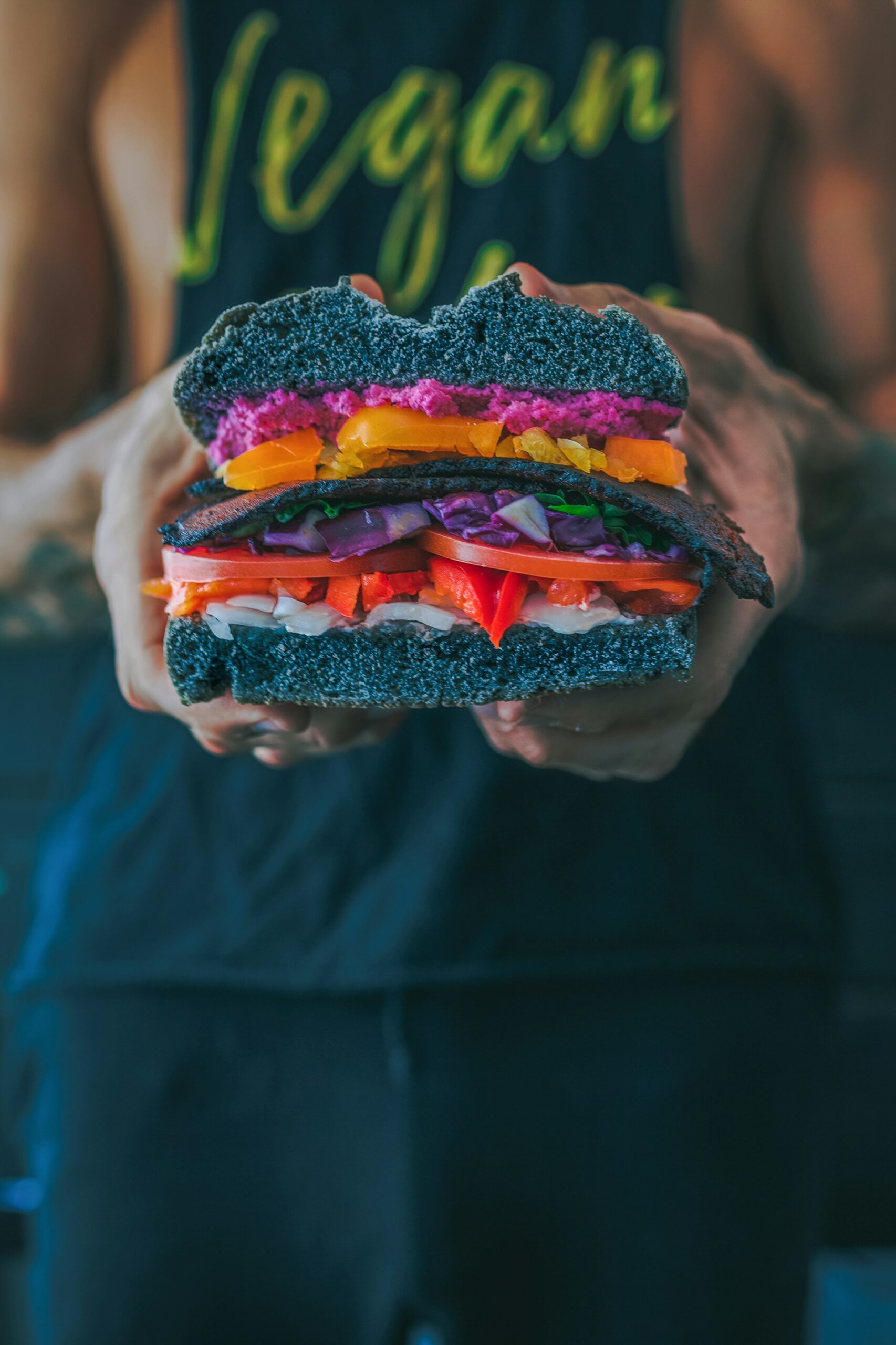
- Ethical: Avoiding harm to animals in the food and farming industries.
- Environmental: Reducing your carbon footprint and conserving resources like water and land.
- Health: Eating more plant-based foods for potential health benefits.
2. Learn About Vegan Nutrition
A balanced vegan diet should include a variety of foods to meet your nutritional needs. Key nutrients to focus on include:- Protein: Found in beans, lentils, tofu, tempeh, and nuts.
- Calcium: Sources include fortified plant milks, kale, and almonds.
- Iron: Found in spinach, chickpeas, and fortified cereals.
- Vitamin B12: Available in fortified foods or as a supplement.
3. Plan Your Meals
Meal planning makes it easier to stick to a vegan diet. Start by experimenting with simple recipes like:- Veggie-packed stir-fries with tofu or tempeh.
- Chickpea and spinach curry with rice.
- Overnight oats with almond milk, fruit, and seeds.
4. Start Slow
You don't have to go fully vegan overnight. Start by swapping out animal products one at a time, such as:- Replacing cow's milk with almond, oat, or soy milk.
- Trying vegan cheese or butter alternatives.
- Experimenting with meat substitutes like bean burgers or tofu.
5. Find Vegan-Friendly Snacks
Snacking is a big part of teenage life, and there are plenty of vegan options to enjoy, such as:- Fruit and nut bars.
- Popcorn (without butter).
- Hummus with vegetable sticks or pita bread.
- Dark chocolate (check the label to ensure it's vegan).
6. Read Food Labels Carefully
Many foods contain hidden animal products, so it's important to check labels for ingredients like:- Milk powder or whey.
- Gelatine (found in sweets like gummy bears).
- Casein or rennet (used in some cheeses).
7. Get Support from Others
Having a support system can make your vegan journey easier. Reach out to:- Friends or family members who are open to trying vegan meals with you.
- Online communities or social media groups for advice and inspiration.
- Local vegan meet-ups or events to connect with like-minded people.
8. Handle Social Situations with Confidence
Social events, like parties or eating out, can feel tricky as a vegan. Tips to navigate these situations include:- Bringing your own dish to share at gatherings.
- Researching vegan options at restaurants beforehand.
- Politely explaining your dietary choices if asked, without feeling pressured to justify them.
9. Be Patient with Yourself
No one is perfect, and it's okay to make mistakes along the way. If you accidentally eat something non-vegan, don't be too hard on yourself. Learn from the experience and focus on making more informed choices in the future. Remember, every small step toward a vegan lifestyle makes a positive impact.10. Explore Vegan Resources
There are many resources available to support you, such as:- The Vegan Society: Offers tips, recipes, and guidance for new vegans.
- Veganuary: A campaign encouraging people to try veganism for a month.
- Vegan recipe books or apps to inspire your meals.
Conclusion
Becoming vegan is a rewarding choice that supports animals, the environment, and your health. While the transition may feel challenging at times, these tips can help you navigate the process with confidence. Remember, every step you take matters, and there's no need to be perfect, focus on doing your best and enjoying the journey.How are you feeling?
It is really important that when we need help, we feel able to ask for it. This could be speaking to a parent, a close friend, a teacher or someone else you trust. Sometimes it can be really hard to share our feelings with other people but if we are feeling low or don't know where to turn, sharing with others is really important. Teachers will always take you seriously and listen to your problems in confidence if you approach them for help. Likewise, parents, siblings or friends will help you if you reach out to them.
If you feel like you can't speak to anyone you know, there are people and organisations that can help support you:
- Childline - Call them on 0800 1111 any time of the day or night, every day of the week
- NSPCC - Call them on 0808 800 5000 between 10am and 4pm Monday to Friday or email them on help@NSPCC.org.uk
- The Samaritans – Call them on 116 123 any time of the day or night, every day of the week
- SANE – Call 0300 304 7000 for support (4:30pm - 10:30pm every day)
- Mind – Call 0300 123 3393 (9:00am - 6:00pm Monday to Friday)
*Sometimes we will use real life examples in our articles to aid understanding. When we do, names and ages will be changed.